

Fast Facts
-
Rising Popularity: E-bikes are emerging as a viable alternative to traditional city transport, with the global market expected to reach $120 billion by 2030, fueled by government incentives and an urban push for eco-friendly options.
-
Enhanced Commuting: Models like the Jasion EB5 MAX, EB5, and Thunder cater to diverse needs—long-distance commutes, portability for city life, and rugged outdoor adventures, all emphasizing comfort and safety.
-
Urban Transformation: Cities globally are adapting by investing in bike lanes and infrastructure to support e-bikes, reducing traffic and pollution, with e-bikes now outnumbering electric cars.
-
Sustainability Impact: E-bikes can significantly cut carbon emissions from short car trips, making them a crucial part of urban planning for a sustainable future, promoting choice, freedom, and cleaner air.
E-Bikes: A Practical Solution for Urban Mobility
City life is evolving rapidly. As traffic congestion, rising gas prices, and growing environmental concerns mount, people seek efficient transportation alternatives. Electric bikes, or e-bikes, have emerged as a popular solution. Once seen as mere recreational devices, e-bikes now represent a viable option for urban commuting. Precedence Research forecasts a global e-bike market exceeding $120 billion by 2030. Governments are taking notice, offering rebates and tax credits while expanding bike lane infrastructure to encourage this shift.
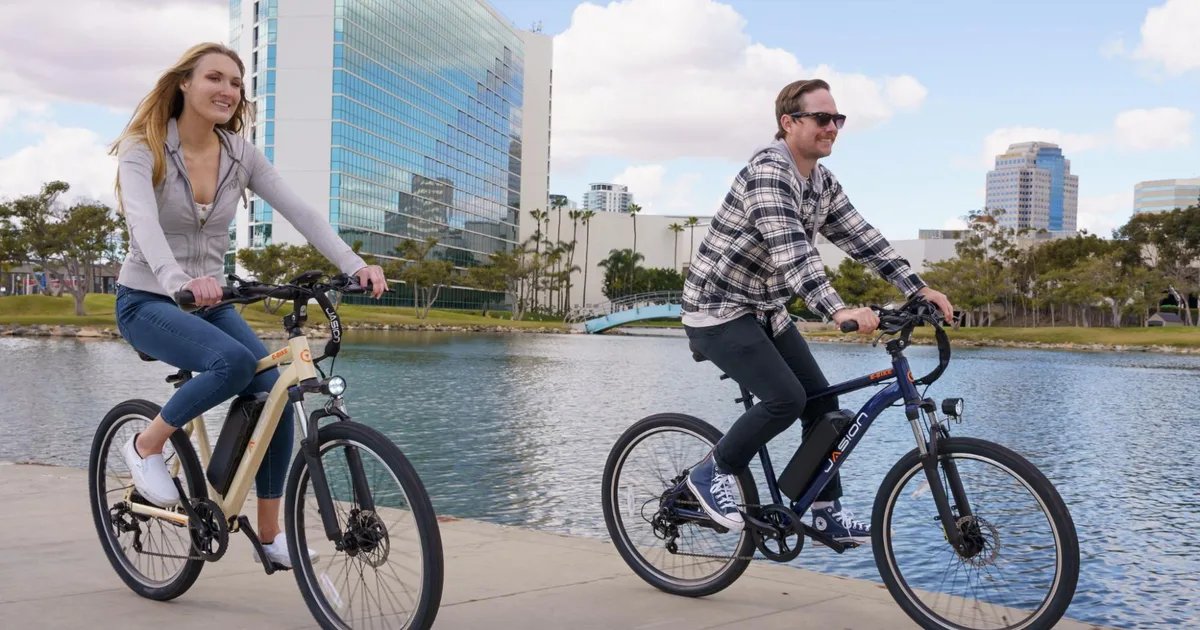
E-bikes appeal to many. They provide easy, sweat-free travel from one location to another. Unlike cars, e-bikes require minimal maintenance and lower operating costs. Companies like Jasion cater to various riders, producing models designed for commuters, weekend adventurers, and novices. For example, the Jasion EB5 MAX showcases long-distance capabilities with a powerful motor and extended battery life. Meanwhile, models like the Jasion EB5 focus on portability and simplicity, making them ideal for city dwellers with limited storage.
The Broader Impact on Urban Planning
Cities are adapting to accommodate this newfound mobility. A decade ago, commuting by bike was often impractical due to insufficient infrastructure. Now, cities worldwide embrace e-bikes, recognizing their role in reducing traffic and pollution. Through initiatives like protected bike lanes and restrictions on car usage, local governments promote a shift toward sustainable micromobility.
E-bikes have already outnumbered electric cars globally, largely because they are more affordable and user-friendly. As urban residents demand features such as long battery life and easy charging, companies like Jasion respond with innovative designs that balance performance and accessibility. With short automobile trips contributing significantly to urban carbon emissions, replacing even a fraction with e-bike journeys could lead to substantial environmental benefits.
This movement extends beyond mere transportation. It embodies freedom, choice, and sustainability. As we witness the rise of e-bikes, we also see a future where urban mobility is quieter, cleaner, and accessible to all. The evolution in how we travel reflects a broader trend toward responsible living and happier, healthier cities.
Stay Ahead with the Latest Tech Trends
Stay informed on the revolutionary breakthroughs in Quantum Computing research.
Explore past and present digital transformations on the Internet Archive.
TechV1
