

Fast Facts
-
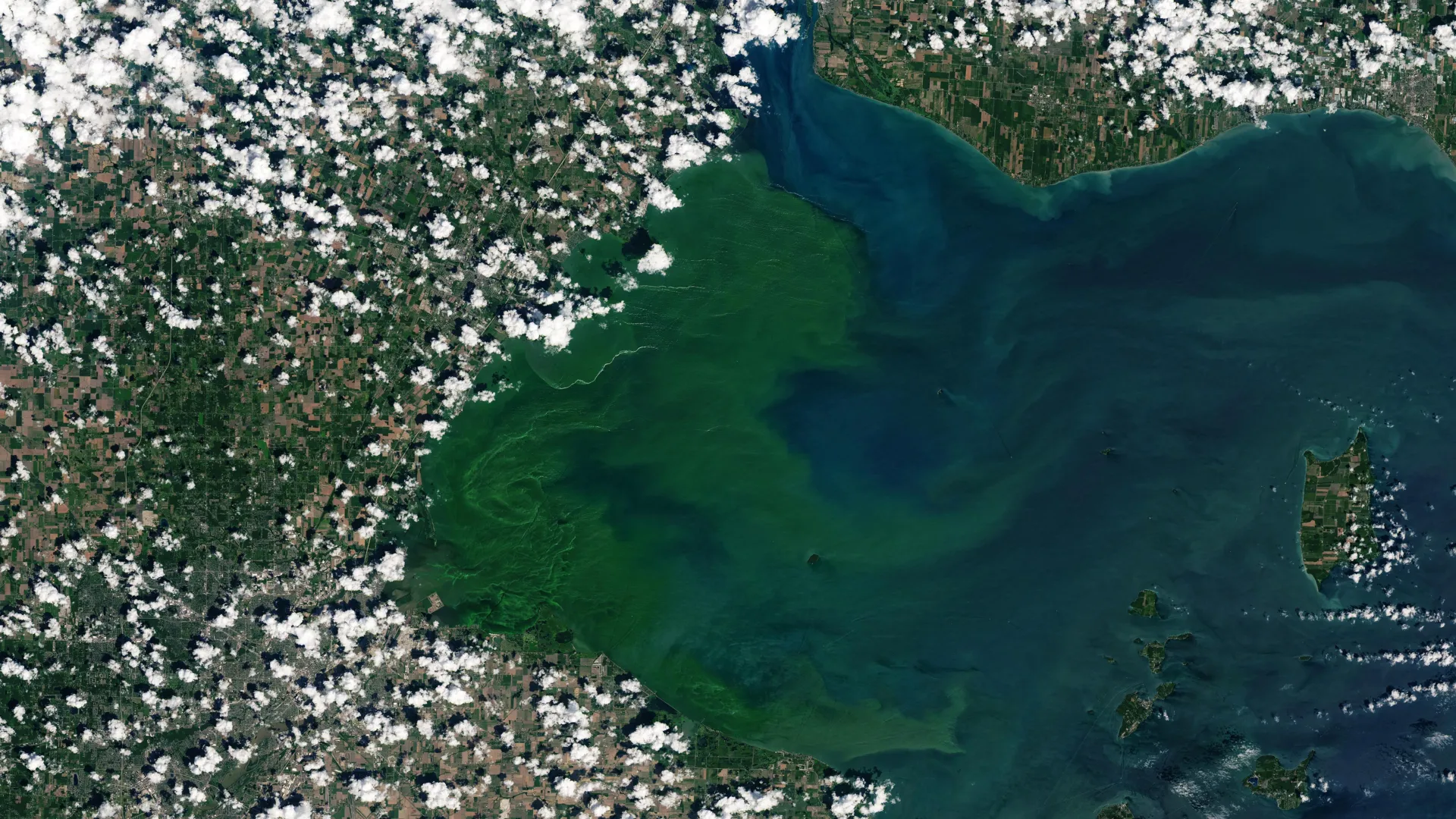
Cyanobacteria Growth: During warm months, Lake Erie experiences rapid growth of cyanobacteria, specifically Dolichospermum, leading to harmful algal blooms (HABs) that can release dangerous toxins like microcystin and saxitoxin.
-
Toxin Identification: Researchers at the University of Michigan utilized DNA sequencing to identify Dolichospermum as the toxin producer, allowing for deeper understanding of environmental conditions affecting toxin production.
-
Environmental Factors: Higher saxitoxin gene levels were linked to warmer waters, while elevated ammonium levels appeared to suppress toxin production, suggesting climate change may impact cyanobacterial dynamics in the lake.
-
Long-Term Monitoring Plans: The research team has monitored saxitoxin levels for nine years and aims to continue assessing gene abundance to understand the long-term risks associated with climate warming and its effect on harmful algal blooms.
Understanding the Toxin’s Origin
Lake Erie’s warm months transform it into a breeding ground for cyanobacteria, commonly known as blue-green algae. These organisms thrive under the right conditions, leading to the formation of harmful algal blooms (HABs). Recent research from the University of Michigan highlights that a specific type of cyanobacteria, Dolichospermum, is responsible for producing toxic compounds like microcystin and saxitoxin. Identifying the source is crucial, because it clarifies which species generates which toxin. This knowledge aids in monitoring and managing similar bloom events effectively.
In 2014, Toledo experienced a severe crisis linked to microcystin, threatening its drinking water. While earlier findings of saxitoxin were alarming, the link to its biological source remained unclear. The ability to trace these toxins back to Dolichospermum enriches our understanding and provides a foundation for future policy decisions.
Impact of Environmental Changes
Researchers used innovative DNA sequencing techniques to gather data on toxin-producing strains. They discovered that temperature and nutrient levels greatly influence the prevalence of saxitoxin genes within Dolichospermum. Notably, warmer water correlated with higher levels of these genes, raising concerns about the impacts of climate change on Lake Erie’s ecosystems.
In addition, the study indicated that elevated ammonium levels might inhibit saxitoxin production. Dolichospermum’s unique capacity to utilize nitrogen from atmospheric dinitrogen gives it an advantage in certain conditions. However, it remains uncertain how these dynamics will evolve as temperatures rise and ecosystems shift. Continuous monitoring will be essential to understand long-term risks associated with these toxins. With the genomic blueprint of Dolichospermum in hand, researchers now have the tools needed to track changes and inform strategies to safeguard public health and the environment.
Discover More Technology Insights
Dive deeper into the world of Cryptocurrency and its impact on global finance.
Explore past and present digital transformations on the Internet Archive.
TechV1
