

Fast Facts
-
Curiosity’s Discovery: NASA’s Curiosity rover has been exploring unique geologic formations called boxwork on Mars, indicating that ancient groundwater may have flowed later than previously believed, raising possibilities for prolonged microbial life.
-
Formation Insights: The boxwork formations, resembling spiderwebs, were formed by groundwater seeping through bedrock fractures, leading to mineral deposits that created ridges while wind eroded weaker areas.
-
Analytical Findings: Curiosity collected and analyzed rock samples revealing clay and carbonate minerals, yielding insights into their formation and the historical presence of groundwater essential for life.
-
Future Exploration: After studying the boxwork region, Curiosity will continue to investigate the sulfates layer on Mount Sharp, aiming to enhance understanding of Mars’ ancient climate evolution.
NASA’s Curiosity Rover Sees Martian ‘Spiderwebs’ Up Close
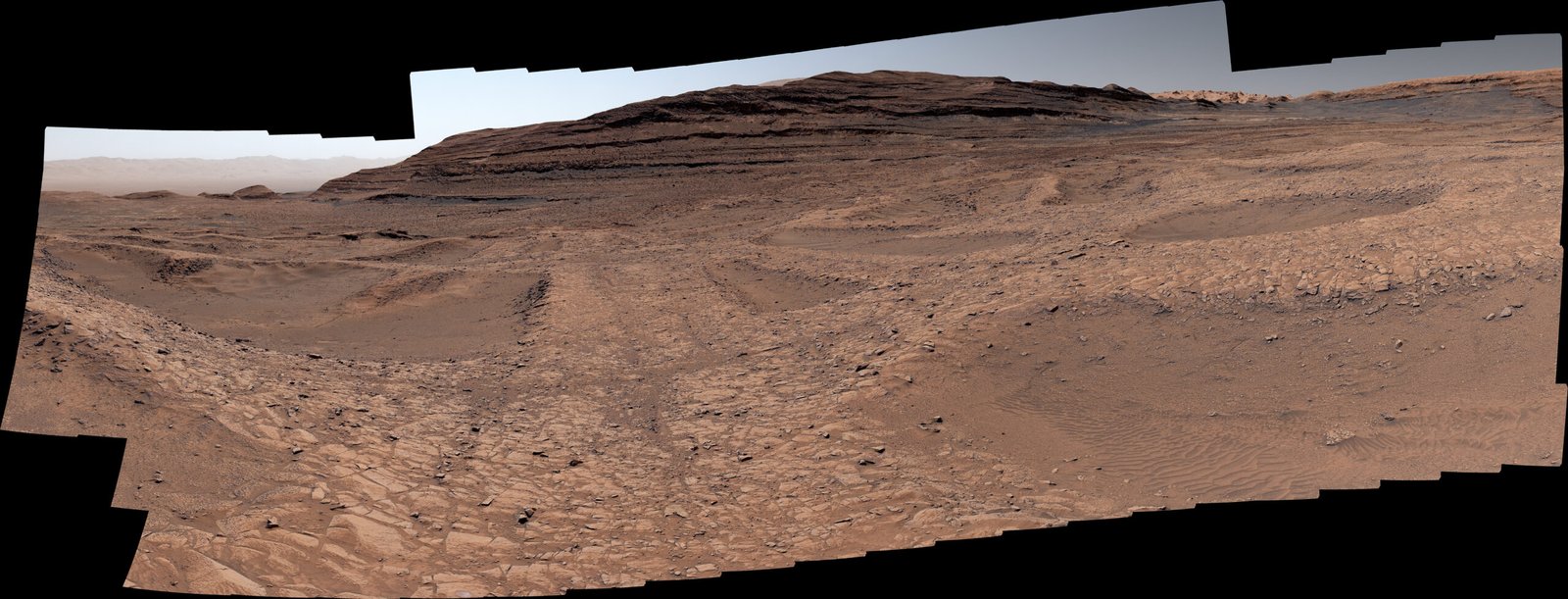
NASA’s Curiosity rover has been exploring a unique Martian landscape for about six months. This area is rich in geologic formations known as boxwork, which are low ridges standing between 3 and 6 feet tall. These formations have sandy hollows that sit between them. As Curiosity navigates the surface, scientists discover that ancient groundwater may have flowed here later than previously thought. This finding raises exciting questions about past microbial life on Mars.
Interestingly, the boxwork formations resemble giant spiderwebs when viewed from space. Scientists think groundwater used to flow through fractures in Martian bedrock, leaving behind minerals. These minerals reinforced the ridges, while wind eroded the softer areas, creating hollows.
Before Curiosity arrived, no one knew what the formations looked like up close. This mission aimed to gather crucial data on their characteristics and origins. Driving Curiosity posed a challenge. The rover is about the size of an SUV and weighs nearly a ton. “It almost feels like a highway we can drive on,” said systems engineer Ashley Stroupe. Nevertheless, navigating the hollows required caution to avoid slipping in the sand.
The challenge for scientists lies in understanding the vast network of boxwork on Mount Sharp, a 3-mile-tall mountain. Each layer of this mountain reflects a different era of Martian climate. As Curiosity ascends, it uncovers signs that water dried up gradually, with brief periods when rivers and lakes returned.
Tina Seeger, a mission scientist, noted, “Seeing boxwork this far up the mountain suggests that the groundwater table had to be pretty high.” This discovery indicates that water may have sustained life longer than scientists initially believed.
Previously, dark lines in orbital images led to the hypothesis that these might be fractures. Curiosity’s close inspection confirmed this idea. The rover also found bumpy textures called nodules, signs of past groundwater activity. Surprisingly, these nodules appeared in unexpected places, prompting further investigation.
Curiosity’s rock analysis is a significant part of its scientific mission. The rover’s drill collects rock samples, which scientists analyze using advanced techniques, including X-ray analysis and wet chemistry to detect organic compounds essential for life.
In March, Curiosity will move beyond the boxwork formations. The team anticipates continuing exploration of an area rich in sulfate minerals. These sulfates formed as water on Mars dried up, providing deeper insights into the planet’s ancient climate.
The data collected by Curiosity can enhance technology development on Earth, especially in fields related to robotics and remote sensing. As scientists unravel Mars’ past, they contribute to our understanding of life’s potential on other planets and inspire future explorations.
For more information about Curiosity’s mission, visit NASA’s website.
Expand Your Tech Knowledge
Learn how the Internet of Things (IoT) is transforming everyday life.
Stay inspired by the vast knowledge available on Wikipedia.
SciV1
