

Top Highlights
-
Current Geological Insights: Mars’ megaripples, shaped mainly by wind, serve as crucial records of past atmospheric conditions and water interactions, demonstrating how the planet’s surface continues to evolve today.
-
Impact on Future Missions: Understanding megaripple formation and chemical properties is essential for planning human exploration on Mars, influencing mobility and resource extraction strategies.
-
Megaripple Exploration: Perseverance’s study at the “Honeyguide” megaripple field revealed the largest megaripples encountered, indicating consistent wind patterns and enhancing our grasp of Martian environmental history.
-
Comprehensive Analysis: Observations from multiple instruments on Perseverance at the “Hazyview” megaripple provide the most detailed analysis yet, aiding in the interpretation of Mars’ wind-driven changes and geological processes.
Wind-Sculpted Landscapes: Investigating the Martian Megaripple ‘Hazyview’
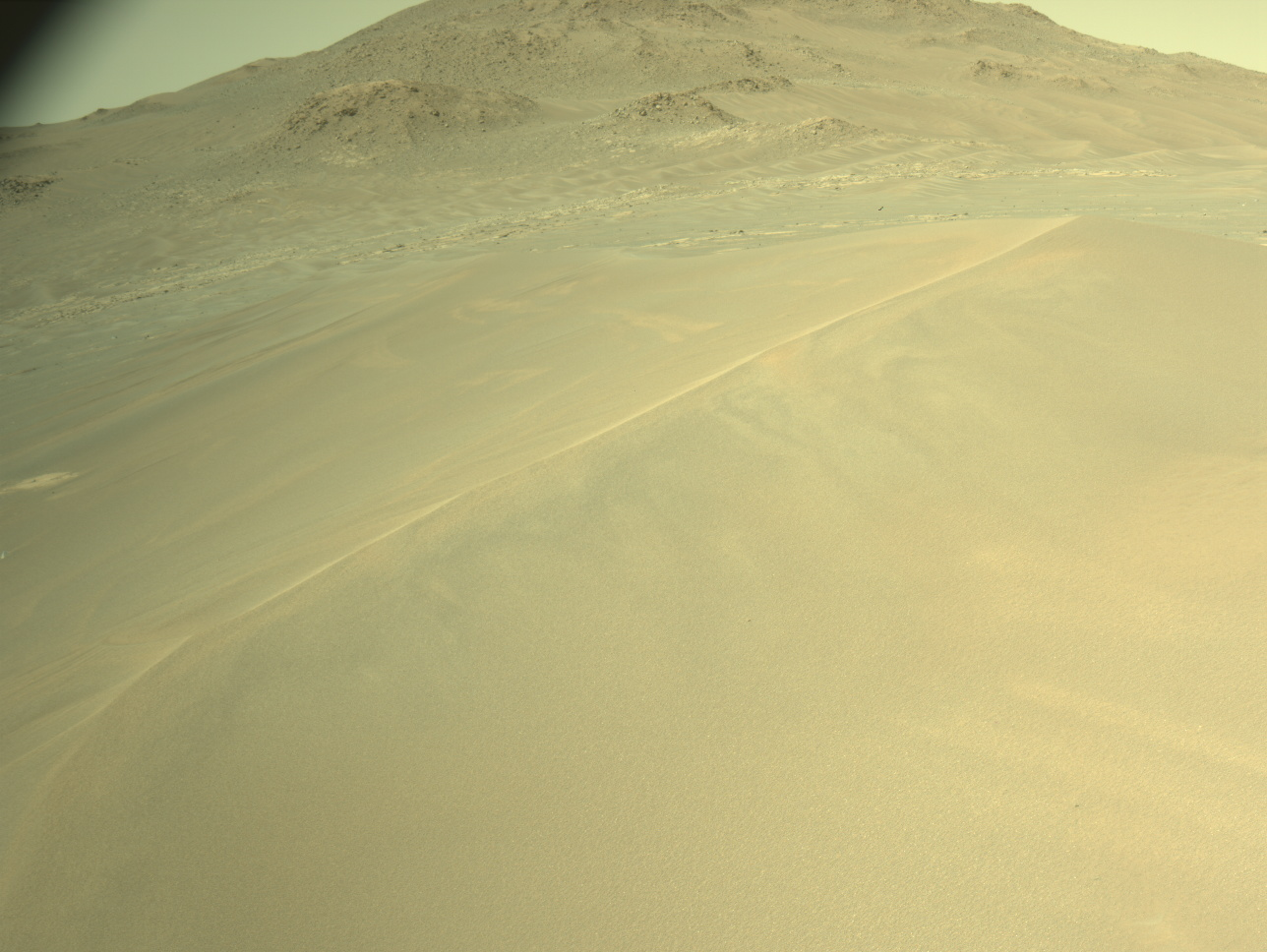
Recent research focuses on the megaripples of Mars, particularly one known as “Hazyview.” These striking features, some reaching heights of 2 meters, showcase the dynamic relationship between wind and the Martian landscape. Researchers are eager to learn how these megaripples evolve, despite Mars’ thin atmosphere, which is only 2% as dense as Earth’s.
Wind plays a vital role in shaping Mars today. It erodes bedrock into sand-sized grains that move across the surface, creating megaripples. However, atmospheric water can form a crust on these features, making them appear inactive. Yet, evidence suggests some megaripples still display signs of movement. This potential reactivation could offer insights into periods of high wind speeds and how they alter the terrain.
Recently, Perseverance rover has shifted its focus from the “Kerrlaguna” area to a more expansive field of megaripples named “Honeyguide.” This new location presents larger megaripples, boasting sharper crests and a consistent north-south orientation. Such characteristics indicate a long history of prevailing winds shaping the region.
The rover’s investigation of “Hazyview” involved over 50 observations using advanced instruments, including SuperCam and Mastcam-Z. Researchers examined grain movement, early morning frost, and mineral variations. The results expand on past findings and provide a clearer understanding of how wind continues to sculpt Mars.
These insights are essential for future human missions. As scientists study the composition and cohesion of Martian soils, they gain valuable information that influences mobility and resource extraction on the planet. Understanding these megaripples not only enhances our knowledge of Mars’ history but also paves the way for technology advancements that will support exploration and habitation.
As Perseverance continues its journey, each grain of sand contributes to a larger story about our neighboring planet’s ongoing evolution. The detailed exploration of these wind-sculpted landscapes represents a significant step towards future discovery and innovation in space exploration.
Stay Ahead with the Latest Tech Trends
Dive deeper into the world of Cryptocurrency and its impact on global finance.
Explore past and present digital transformations on the Internet Archive.
SciV1
