

Summary Points
-
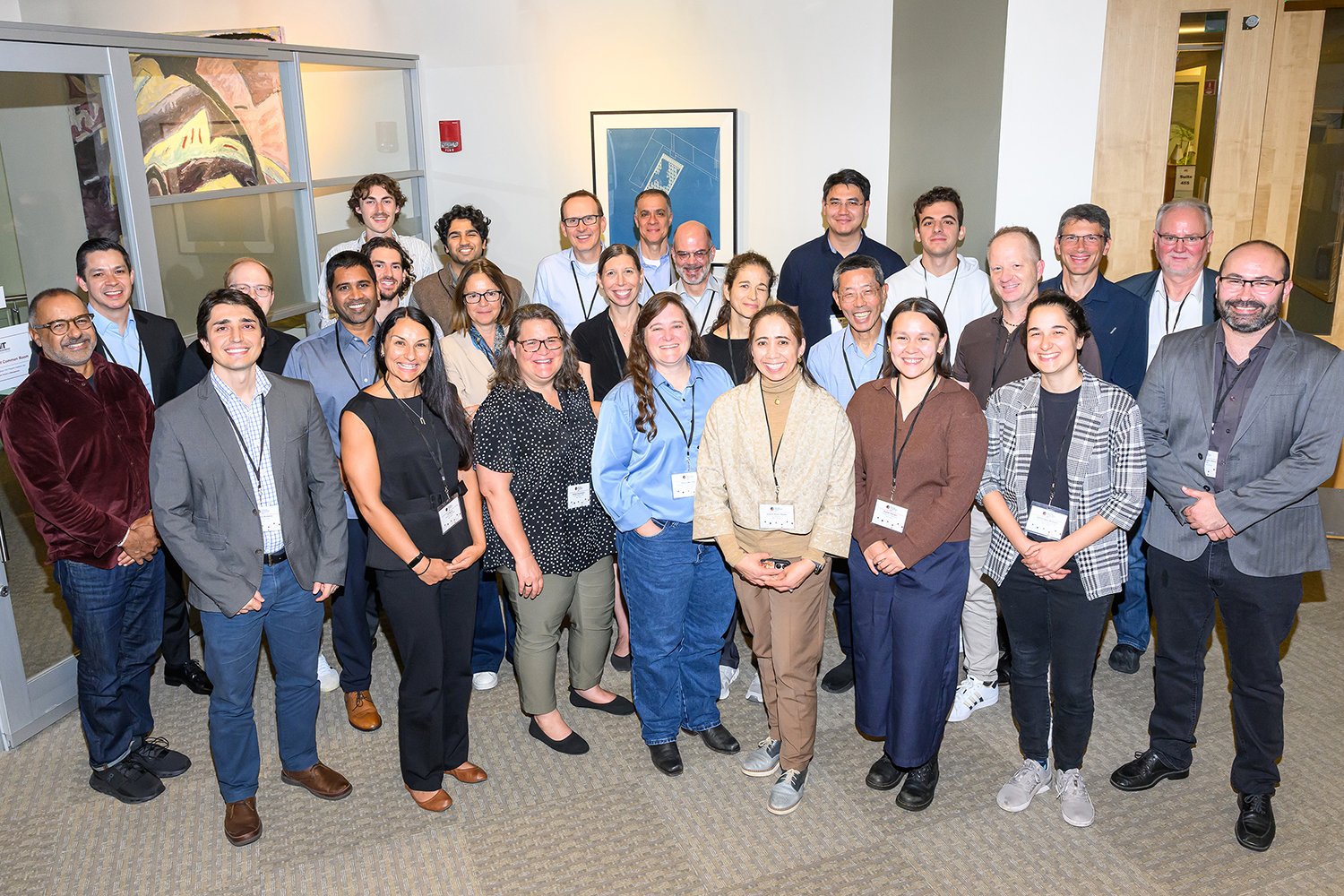
Formation of MSC: The Minerals Stewardship Consortium (MSC) at MIT aims to guide mining companies in balancing responsible practices with economic stability, enhancing social and environmental concerns in the mining sector.
-
Collaborative Research: MSC focuses on four key research pillars: digital mining innovation, social-ecological integration, environmental monitoring using AI, and market/policy innovation to foster informed decision-making in mining.
-
Diverse Expertise: Led by nine interdisciplinary faculty members from various MIT schools, the consortium emphasizes teamwork across sectors to address the multi-faceted challenges of the mining industry.
-
Historical Context: MIT’s mining engagement dates back to its founder, reflecting a tradition of addressing industrial and environmental challenges—values that the MSC aims to uphold in contemporary mining practices.
Introducing the Minerals Stewardship Consortium at MIT
Mining is essential for industries like construction, technology, and energy. However, it faces challenges balancing financial demands with social responsibilities. Recently, the Massachusetts Institute of Technology (MIT) launched the Minerals Stewardship Consortium (MSC) to address these issues.
The MSC aims to help mining companies adopt responsible practices without sacrificing economic stability. By bringing together industry leaders and academic experts, the consortium encourages collaboration. This teamwork fosters innovative strategies for the production and stewardship of critical minerals.
Elsa Olivetti, a co-director of the MSC, emphasized the goal of enhancing the environmental and social impacts of mining. She noted that the consortium focuses on interdisciplinary efforts. Her colleague, Christopher Knittel, echoed this sentiment, stating that they want to balance financial outcomes with community needs.
Inaugural members include well-known companies like Vale, BHP, and Rio Tinto. The MIT Industrial Liaison Program (ILP) played a crucial role in establishing the MSC. It has expanded its mining sector membership significantly over recent years. The collaboration aims to convert ideas into practical solutions.
The MSC’s research focuses on four main pillars: digital mining, social integration, environmental monitoring, and market innovation. Each area tackles specific challenges through cutting-edge techniques and frameworks. For instance, artificial intelligence will help monitor ecological impacts around mining sites.
Olivetti highlighted the importance of bringing diverse stakeholders together. This research-oriented approach supports informed decision-making. The MSC involves nine faculty members from various MIT schools, strengthening its interdisciplinary focus.
MIT’s engagement with mining dates back to its founding. The institution has long emphasized practical applications of scientific insights. As Megan Black, an associate professor of history, mentioned, the goal has always been to connect theory with real-world challenges.
The MSC seeks to uphold these values. By equipping companies with tools and knowledge, it aims to enhance social and environmental standards in mining practices. This initiative represents a proactive step toward a sustainable future in mineral extraction.
Discover More Technology Insights
Stay informed on the revolutionary breakthroughs in Quantum Computing research.
Access comprehensive resources on technology by visiting Wikipedia.
QuantumV1
