

Quick Takeaways
-
Historical Significance: The Great Tectonic Lakes of Exaltación harbor extensive archaeological evidence of human adaptation, showcasing advanced agricultural practices and water management techniques dating from 600 to 1400 CE.
-
Cultural and Ecological Coexistence: Modern-day Cayubaba and Movima communities maintain a unique biocultural heritage, collaborating with researchers to highlight the interconnectedness of ecological diversity and cultural practices in these biodiverse wetlands.
-
Sustainable Traditions: The past cultures practiced resilient land-use strategies that harmonized farming, fishing, and forest management, offering valuable lessons for contemporary approaches to sustainability amid climate change and deforestation.
-
Conservation Collaboration: Protecting the Llanos de Moxos requires integrating archaeological insights with Indigenous knowledge to ensure the preservation of both ecological integrity and cultural heritage in a globally significant wetland ecosystem.
Rediscovering a Forgotten Heritage
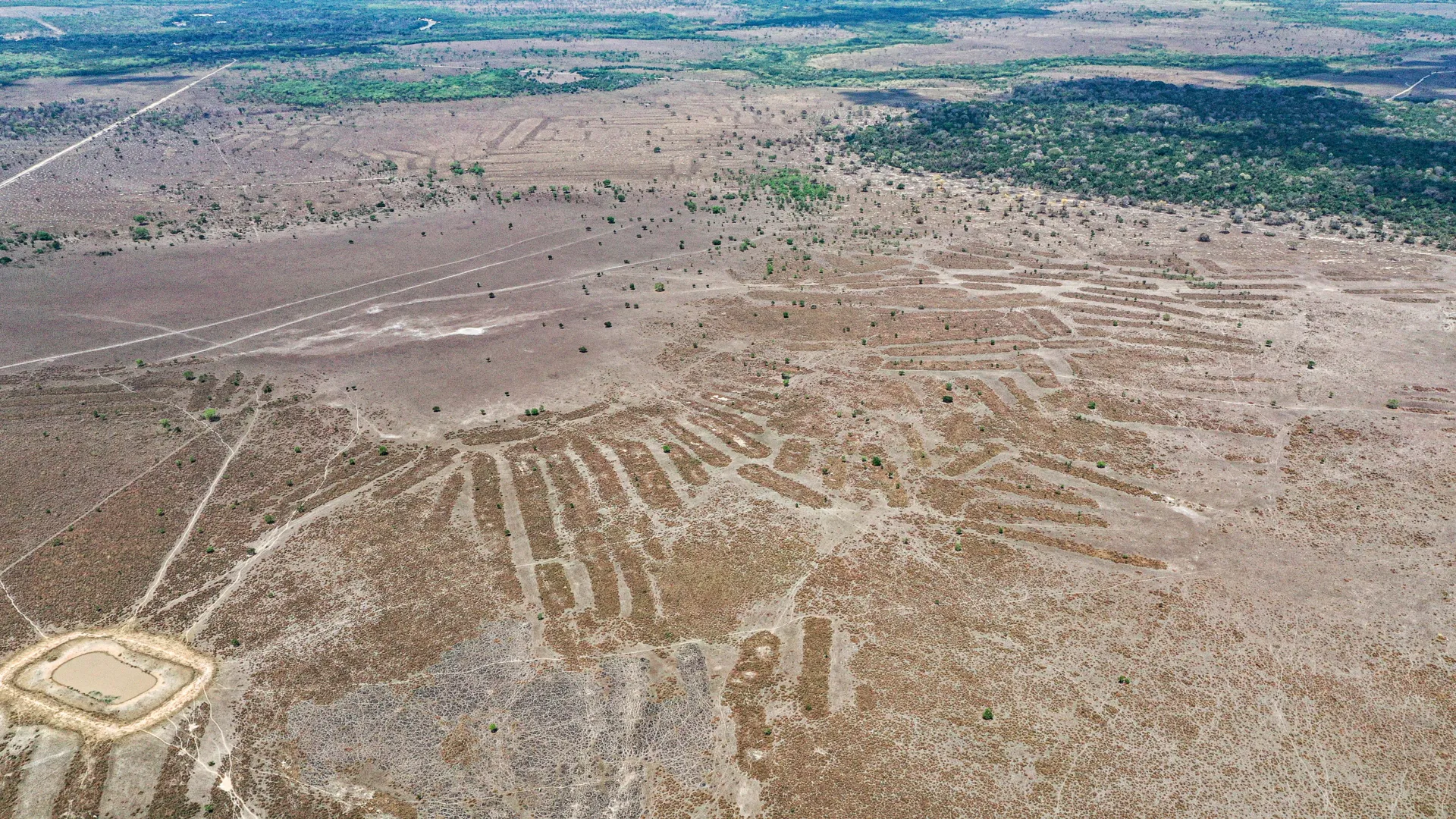
In September 2021, researchers embarked on a remarkable expedition to the Great Tectonic Lakes of Exaltación in Bolivia. This area, largely undocumented, harbors remnants of an intricate civilization. The team, consisting of specialists from various prominent institutions, aimed to unveil the layers of human history beneath the landscape. Through methods like LiDAR imaging, they identified archaeological sites dating back to between 600 and 1400 CE.
The findings revealed a history shaped by innovation. The lakes, part of a UNESCO-recognized wetland complex, showcase extensive earthworks, raised agricultural fields, and interconnected canals. These structures reflect a dynamic relationship between people and their environment. By adapting to seasonal floods, ancient communities cultivated crops like maize while efficiently managing resources. The diversity of their diet, which included fish and various plants, supports a narrative of resilience and environmental stewardship.
Lessons for the Future
As modern challenges like deforestation and climate change increasingly threaten the Amazon, these archaeological insights provide valuable lessons. The practices of past societies remind us that sustainable living often flourishes through diversity. Instead of exploiting the landscape, they thrived by harmonizing with its seasonal rhythms.
Additionally, current collaborations with Indigenous communities highlight the importance of integrating traditional knowledge into conservation strategies. As the Cayubaba and Movima people continue to inhabit these lands, their expertise offers essential guidance for preserving both ecological and cultural heritage.
Understanding this unique biocultural landscape can steer current and future conservation efforts. The Amazon is not merely a backdrop for development; it represents a living history of human adaptation and environmental respect. By embracing these lessons, we can work toward sustainability and justice, ensuring that both people and nature thrive together in harmony.
Stay Ahead with the Latest Tech Trends
Learn how the Internet of Things (IoT) is transforming everyday life.
Explore past and present digital transformations on the Internet Archive.
TechV1
