

Essential Insights
-
NASA’s Hypersonic Future: The agency is exploring vehicles capable of hypersonic flight (five times the speed of sound) through its Hypersonic Technology Project, aiming for reusable airbreathing aircraft.
-
Contract Awards for Innovation: NASA awarded contracts to SpaceWorks Enterprises and Stratolaunch to study modifications for their existing vehicles, focusing on enhancing flight-testing capabilities.
-
Public-Private Collaboration: These efforts aim to bridge the gap between hypersonic ground and flight tests, enabling a collaborative environment with the commercial hypersonics industry.
-
Strategic Development Goals: The research supports the potential NASA Making Advancements in Commercial Hypersonics (MACH) project, targeting advancements in infrastructure, cost estimates, and required capabilities for future hypersonic vehicles.
NASA Aims to Advance Hypersonic Flight Testing with New Awards
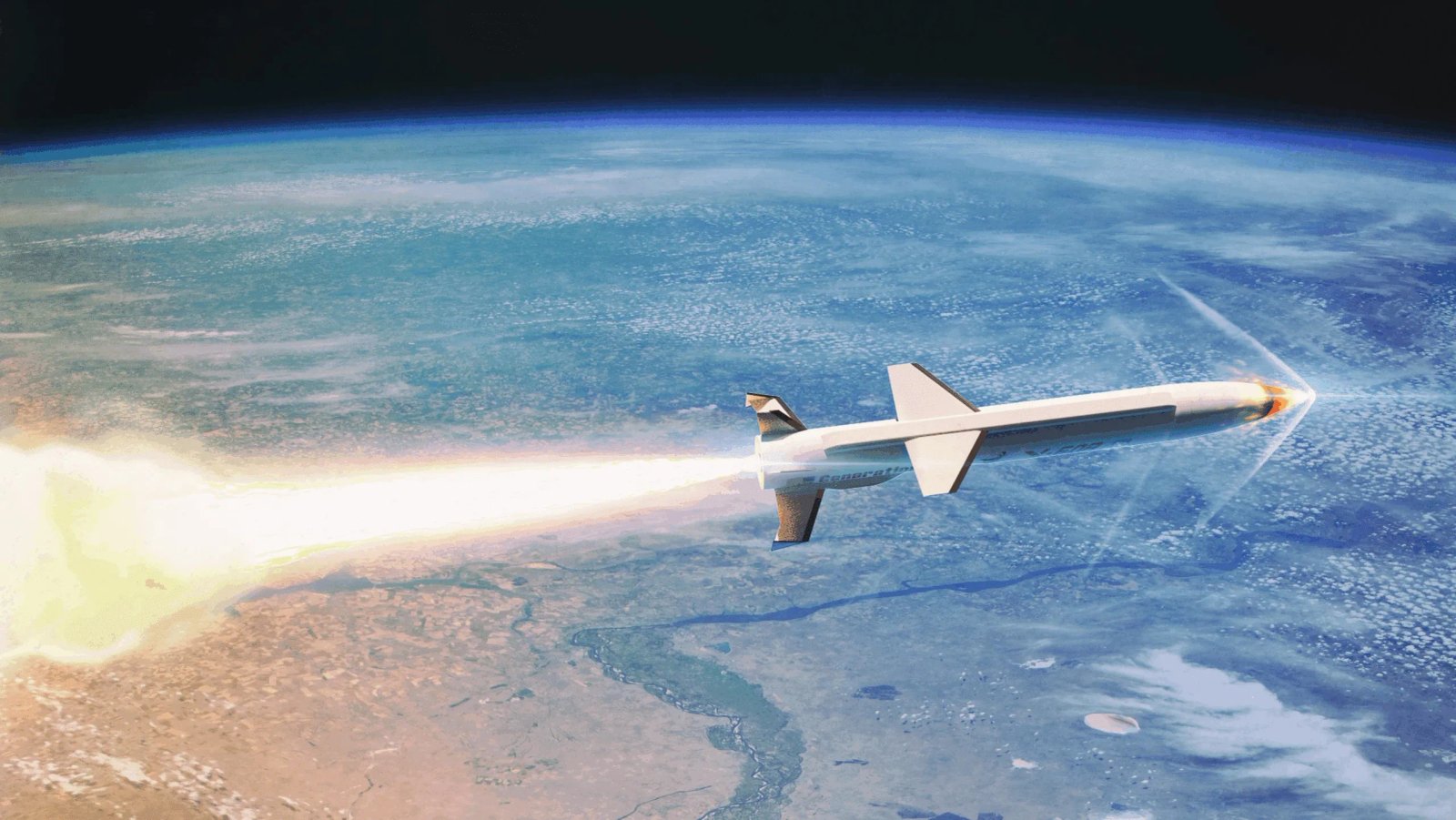
NASA pushes boundaries in aviation as it explores the future of hypersonic flight. The agency recently issued two awards aimed at advancing technologies that enable vehicles to travel five times the speed of sound. This leap forward gives researchers and the commercial sector a solid foundation.
While rockets achieve hypersonic speeds with onboard oxygen, NASA’s Hypersonic Technology Project focuses on “airbreathing” designs. These reusable aircraft draw in air during flight, allowing for sustained cruising at hypersonic speeds. Thus, this approach not only enhances efficiency but also offers longer operational ranges.
In August, NASA awarded contracts to SpaceWorks Enterprises in Atlanta and Stratolaunch in Mojave, California. Each company will conduct a six-month study focused on modifying existing vehicles. SpaceWorks received $500,000 to work on the X-60 platform, while Stratolaunch got $1.2 million for its Talon-A platform.
The goal is to develop affordable, reusable, high-cadence testing capabilities. By collaborating with industry, NASA aims to identify the necessary technologies for successful flight tests. Dr. Nateri Madavan, director of NASA’s Advanced Air Vehicles Program, emphasized the importance of these partnerships. They will address the challenges that come with routine hypersonic flight.
Furthermore, this work could support NASA’s future Making Advancements in Commercial Hypersonics (MACH) project. This initiative aims to develop the infrastructure needed for commercial hypersonic vehicles, including cost estimates and scheduling.
Through the Hypersonic Technology Project, NASA leads U.S. research in this exciting field. These advancements promise to revolutionize air travel, making faster flights a reality. Such innovations could enhance global connectivity and reshape the way we think about travel, improving the quality of life for people worldwide.
Discover More Technology Insights
Dive deeper into the world of Cryptocurrency and its impact on global finance.
Discover archived knowledge and digital history on the Internet Archive.
SciV1
