

Top Highlights
-
Mission Relaunch: NASA’s ice-scouting moon rover mission, VIPER, is set for a potential lunar launch in 2027 after being delayed last year due to cost issues.
-
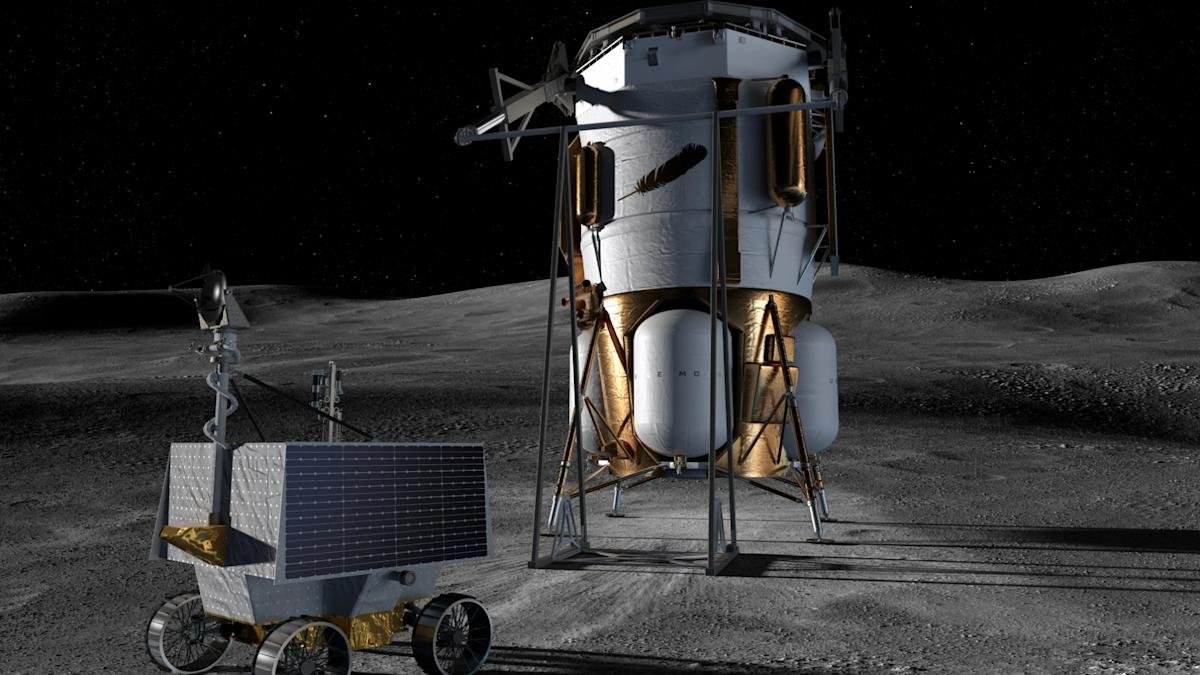
Collaboration with Blue Origin: VIPER may travel to the moon aboard Blue Origin’s Mark 1 lander, contingent on the successful demonstration of the lander’s capabilities.
-
Lunar Exploration Goals: The rover will search for water ice and other essential resources at the lunar South Pole, crucial for supporting future human missions.
-
Broader Implications: Findings from VIPER could enhance understanding of volatiles in the solar system and the evolutionary history of the inner solar system.
NASA is reviving its VIPER moon rover mission, aiming for a 2027 launch with Blue Origin. This project focuses on scouting for water ice and other resources at the lunar South Pole. Originally scheduled for an earlier date, VIPER faced delays and budget issues. However, recent developments have reignited hopes.
Blue Origin will transport VIPER using its Blue Moon Mark 1 lander. First, the company needs to demonstrate its landing capabilities. The initial test flight is expected to occur later this year. This preliminary mission will play a crucial role in determining VIPER’s journey.
If successful, VIPER could provide vital information on where to find ice. “This delivery could show us where ice is most likely to be found and easiest to access,” said Joel Kearns, Deputy Associate Administrator for Exploration at NASA. Such findings could significantly impact future lunar missions.
Moreover, understanding lunar water sources enhances our knowledge of the solar system. Researchers anticipate that studying these resources will uncover insights about the distribution and origin of volatiles across space. By addressing these questions, NASA hopes to deepen our understanding of how the inner solar system has evolved.
This mission represents a vital step in both lunar exploration and the advancement of urban innovation. By utilizing resources found beyond Earth, we could pave the way for sustainable living in space. As cities on Earth become smarter, leveraging similar technologies will become even more critical for the future. The excitement around VIPER reflects not only scientific advancement but also the potential for groundbreaking applications in urban development and beyond.
Expand Your Tech Knowledge
Learn how the Internet of Things (IoT) is transforming everyday life.
Access comprehensive resources on technology by visiting Wikipedia.
GadgetsV1
