

Essential Insights
-
Genetic Lineage Traced: Scientists from Tokyo Metropolitan University identified the genetic lineage of an extinct plant population from Nishinoshima, linking it to nearby Chichijima and revealing distinct genetic traits due to a strong “founder’s effect.”
-
Impact of Natural Disasters: Nishinoshima’s regular volcanic eruptions reset ecosystems, providing a unique opportunity to study early stages of ecological development and the effects of isolation on genetic diversity.
-
Study of Common Purslane: The research focused on common purslane sampled before a 2019 eruption, highlighting limited survival opportunities and genetic drift influenced by environmental events rather than natural selection.
-
Implications for Ecosystem Recovery: Findings contribute to understanding how plant populations establish and evolve in isolated environments, potentially informing approaches to restore ecosystems after natural disasters.
Understanding Ecosystem Resilience
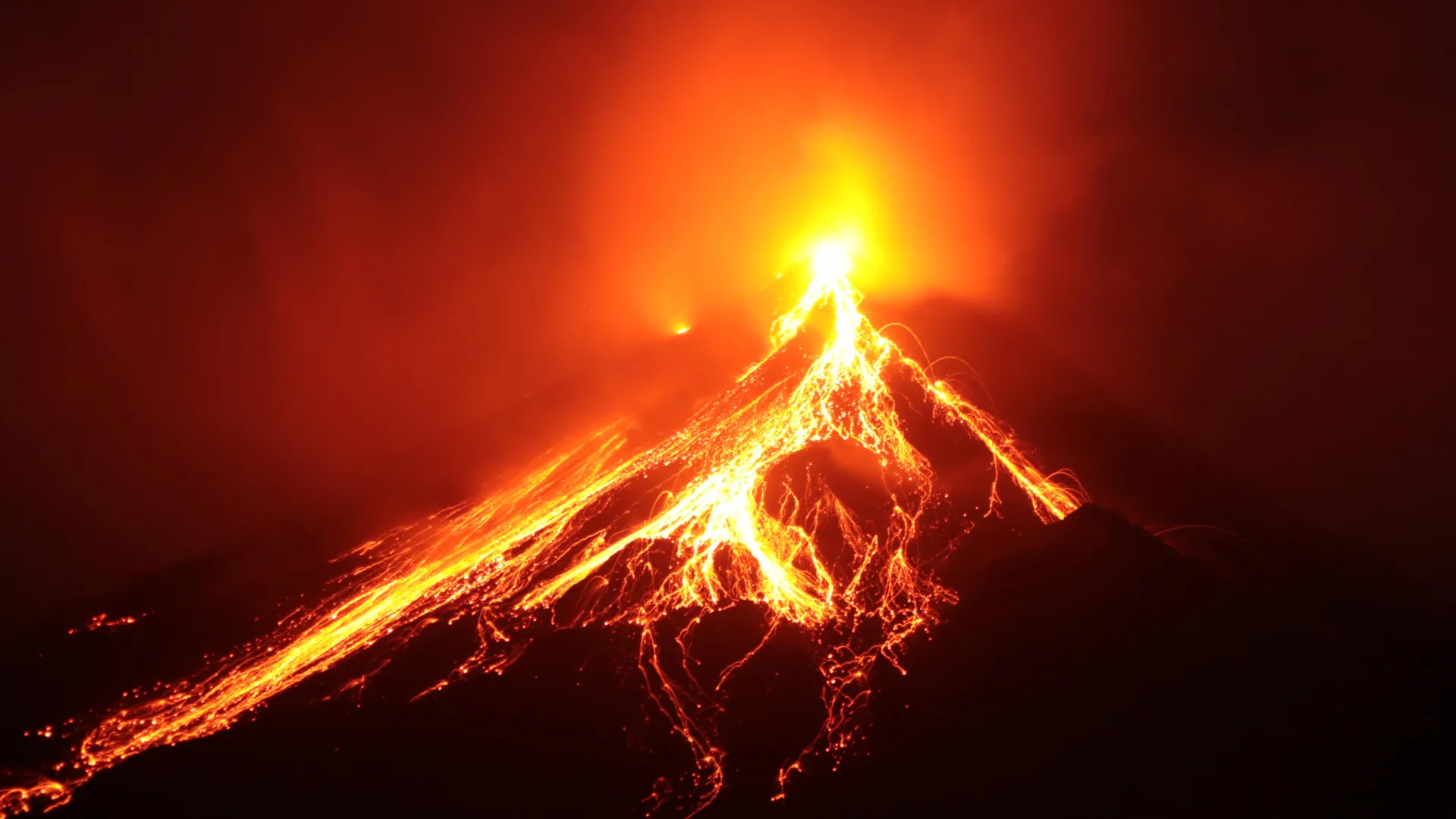
Recent volcanic eruptions on Nishinoshima, a remote island in the Ogasawara chain, devastated its plant life. Despite this destruction, scientists have discovered valuable insights about how ecosystems begin anew. By examining the genetic material of a now-extinct population of common purslane, researchers traced its lineage to a nearby island, Chichijima. They identified unique genetic traits that emerged due to the limited dispersal opportunities for seeds, a phenomenon known as the founder’s effect. This effect reveals how a small number of individuals can shape the genetic landscape of a population.
The findings illuminate early stages of ecosystem development. Limited seed dispersal created conditions for genetic drift, where chance events significantly influenced population genetics. Thus, although eruptions reset the island’s vegetation, they also offer a unique lens through which scientists can study resilience in nature. Each volcanic eruption effectively acts as a reset button for populations, awakening curiosity about life’s persistent struggle to adapt and thrive under challenging circumstances.
Implications for Future Research
The implications of these findings extend beyond Nishinoshima. They encourage further investigation into how plants reestablish themselves after catastrophic events. Understanding this process can inform conservation efforts on other islands facing similar threats. Researchers might explore how plants can harness genetic diversity for resilience. Additionally, insights gained from isolated environments can apply to broader ecological studies, influencing strategies for ecosystem management in the face of climate change.
As scientists continue to unravel the genetic mysteries of Nishinoshima’s lost plant populations, they illuminate the remarkable capacity of nature to regenerate. Each genetic quirk serves as a testament to life’s adaptability, offering hope and inspiration for future ecological resilience. The journey of these plants sheds light on the intricate web of life, reminding us that even in the face of destruction, the seeds of recovery are often already sown.
Expand Your Tech Knowledge
Dive deeper into the world of Cryptocurrency and its impact on global finance.
Discover archived knowledge and digital history on the Internet Archive.
TechV1
