

Essential Insights
-
Revamped Education System: New Orleans transitioned from a failing public school system pre-Katrina to an all-charter model, resulting in improved test scores and graduation rates, with 80% of students now graduating on time.
-
Charter Innovation and Challenges: While the charter movement empowered schools and improved performance, it faced criticism for inequities, especially affecting lower-income families, and for prioritizing test scores over holistic education.
-
Controversial School Closures: Closing underperforming schools helped drive improvements, but the approach has been painful for students and families, particularly those attending schools that thrived in alternative learning environments.
-
Future Direction: As the city contemplates running more district schools, stakeholders emphasize the need for balance between charter oversight and direct management, signaling a desire for a more holistic and equitable educational approach.
The Rise of Charter Schools in New Orleans
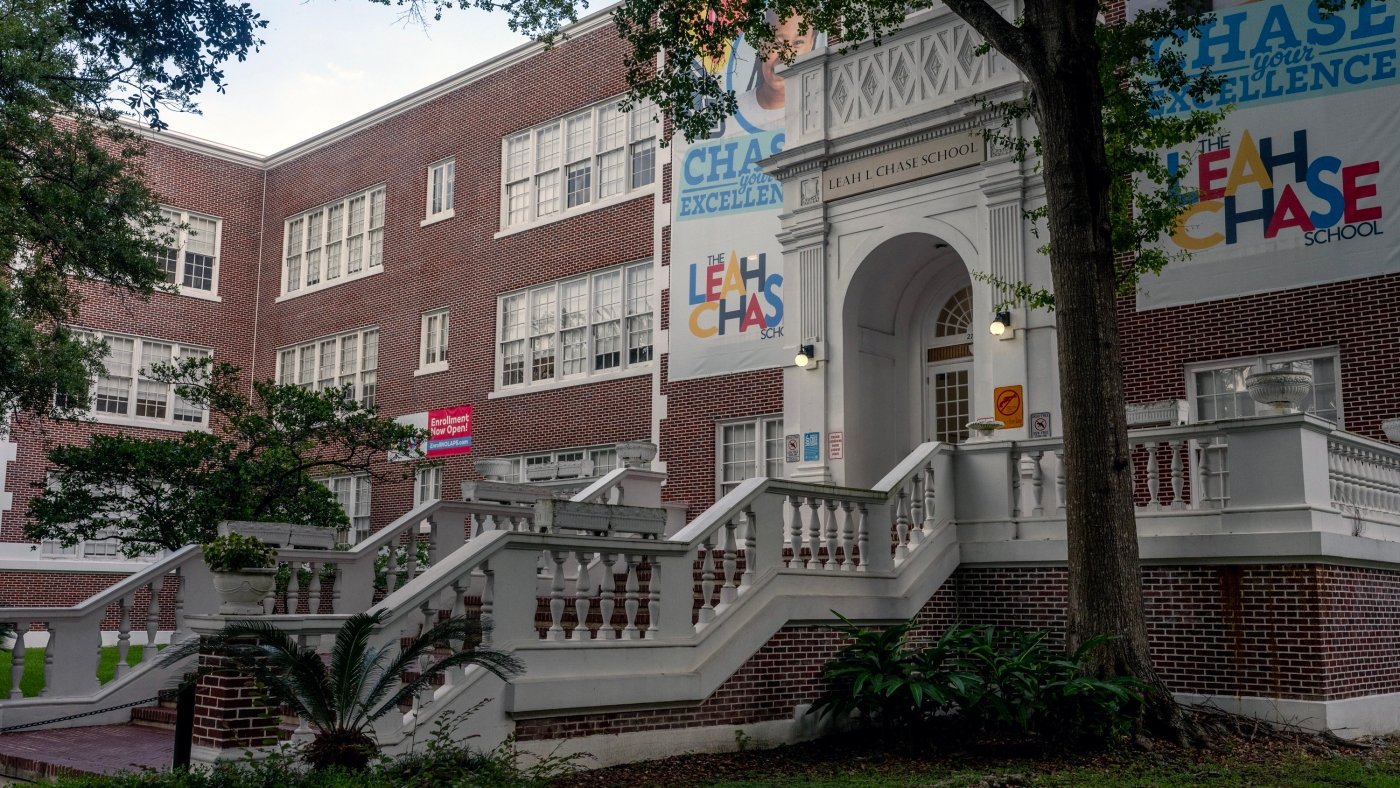
After Hurricane Katrina devastated New Orleans in 2005, the city faced a critical moment for its education system. The storm destroyed many schools, prompting state officials to replace public schools with charter schools. Initially, this shift faced significant resistance. For instance, many parents felt shut out from decision-making. However, over time, this model gained traction. By the mid-2010s, almost every school in the city converted to a charter. This radical change aimed to infuse competition and autonomy into a struggling educational landscape. Interestingly, data shows that test scores and graduation rates improved significantly in the years following the transition.
Despite these advancements, the charter system has its challenges. Some parents express concerns about transparency and inclusivity in school operations. While high-performing schools thrive, others face closure if they do not meet standards. This leads to mixed feelings among families about the overall effectiveness of the charter system. Yet, it remains essential to consider the systemic issues that existed before the storm. Inefficiencies and mismanagement plagued the previous public system, which prompted the need for such drastic reforms. Ultimately, the shift to charter schools provided a fresh start, aiming for better educational outcomes.
What Lies Ahead for New Orleans Education
As New Orleans stands as the first major city in the U.S. with an all-charter school system, the future presents a unique set of opportunities and challenges. Officials continue to monitor performance closely, pushing underperforming schools to improve or close. This approach, while effective in raising overall achievement, can also lead to instability for families. Students may face disruptions as schools close and reopen. Despite these hurdles, there are glimmers of hope emerging in the district’s recent decisions. For the first time in two decades, the school district opened a new school under its direct control, signaling a potential shift in strategy.
Going forward, the conversation about the educational landscape must include regular assessments of both charter and traditional models. The city might benefit from a blended approach, integrating successful aspects of charter autonomy with the consistency of directly managed schools. This flexibility allows educators to innovate while ensuring accountability. Ultimately, as New Orleans educators and leaders navigate this evolving landscape, they must remain committed to providing equitable and effective education for all students. The journey of New Orleans schools must continue to prioritize adaptability and responsiveness to the needs of its students.
Discover More Technology Insights
Stay informed on the revolutionary breakthroughs in Quantum Computing research.
Discover archived knowledge and digital history on the Internet Archive.
TechV1
