

Quick Takeaways
-
The aurora borealis can be observed year-round, with notable displays occurring during minor geomagnetic storms, such as the one on February 16, 2026, which occurred during a G1 storm and later intensified to G2.
-
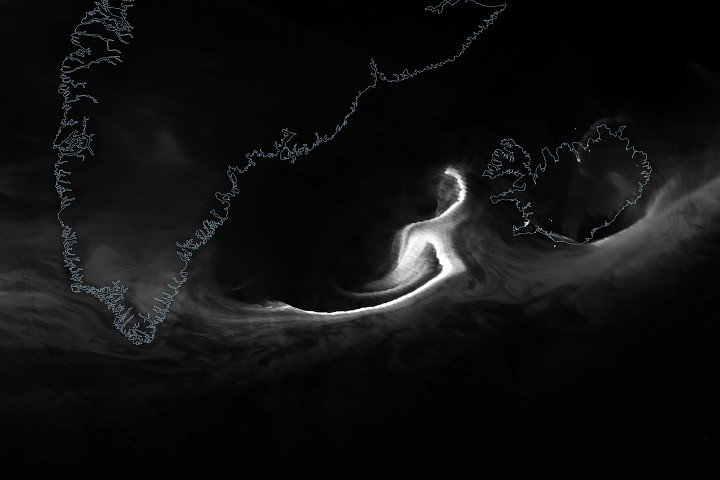
Images captured by the VIIRS satellite show stunning auroral light patterns over regions like the Denmark Strait, Iceland, and eastern Canada, revealing varying colors not visible in grayscale satellite data.
-
Minor geomagnetic storms (G1 on the G5 scale) can cause minor disruptions, while stronger storms (G2) may push auroras farther south, seen as far as New York and Idaho.
-
NASA’s GNEISS mission launched rockets to study auroral electrical environments, aiming to enhance understanding of the mechanisms driving space weather near Earth.
Northern Glow Spans Iceland and Canada
On February 16, 2026, stunning displays of the northern lights illuminated the skies over Iceland and Canada. These auroras are typically visible during March and September, but they sometimes appear earlier if solar conditions are favorable.
NASA’s Suomi NPP satellite captured amazing images of these phenomena early that morning. Using the VIIRS instrument, the satellite detected light emissions in the atmosphere. These images show glowing ribbons of color stretching from the Denmark Strait to the Canadian provinces of Québec and Newfoundland and Labrador.
During this event, a minor geomagnetic storm, classified as G1, increased visibility of the auroras. A G1 storm typically produces minor effects, such as slight fluctuations in power grids. However, excitement grew when conditions intensified later that day to a G2 storm, which can push auroras further south, potentially reaching regions like New York and Idaho.
Notably, this event followed a NASA rocket launch from Alaska a week prior. The GNEISS mission aimed to study the electrical environment of auroras. By using sounding rockets, researchers gathered vital data to map the electrical currents linked to these celestial displays.
This ongoing research improves our understanding of space weather. A better grasp of such phenomena aids technological advancements, particularly for satellite operations and power grid management. These insights can enhance our daily lives by ensuring more stable services during geomagnetic events.
As auroras continue to amaze onlookers, they also spark curiosity among scientists. The interplay of solar winds and Earth’s magnetic field remains a captivating subject for future exploration.
Expand Your Tech Knowledge
Dive deeper into the world of Cryptocurrency and its impact on global finance.
Discover archived knowledge and digital history on the Internet Archive.
SciV1
