

Top Highlights
-
New Discovery: Paleontologist Chinzorig Tsogtbaatar unearthed Zavacephale rinpoche, a new species of pachycephalosaur in Mongolia, marking the first definitive find of this group from the early Cretaceous, around 110 million years ago.
-
Significant Insights: This specimen is 15 million years older than the previous oldest pachycephalosaur, filling a crucial gap in the evolutionary timeline of these dome-headed dinosaurs and providing valuable insights into their biology.
-
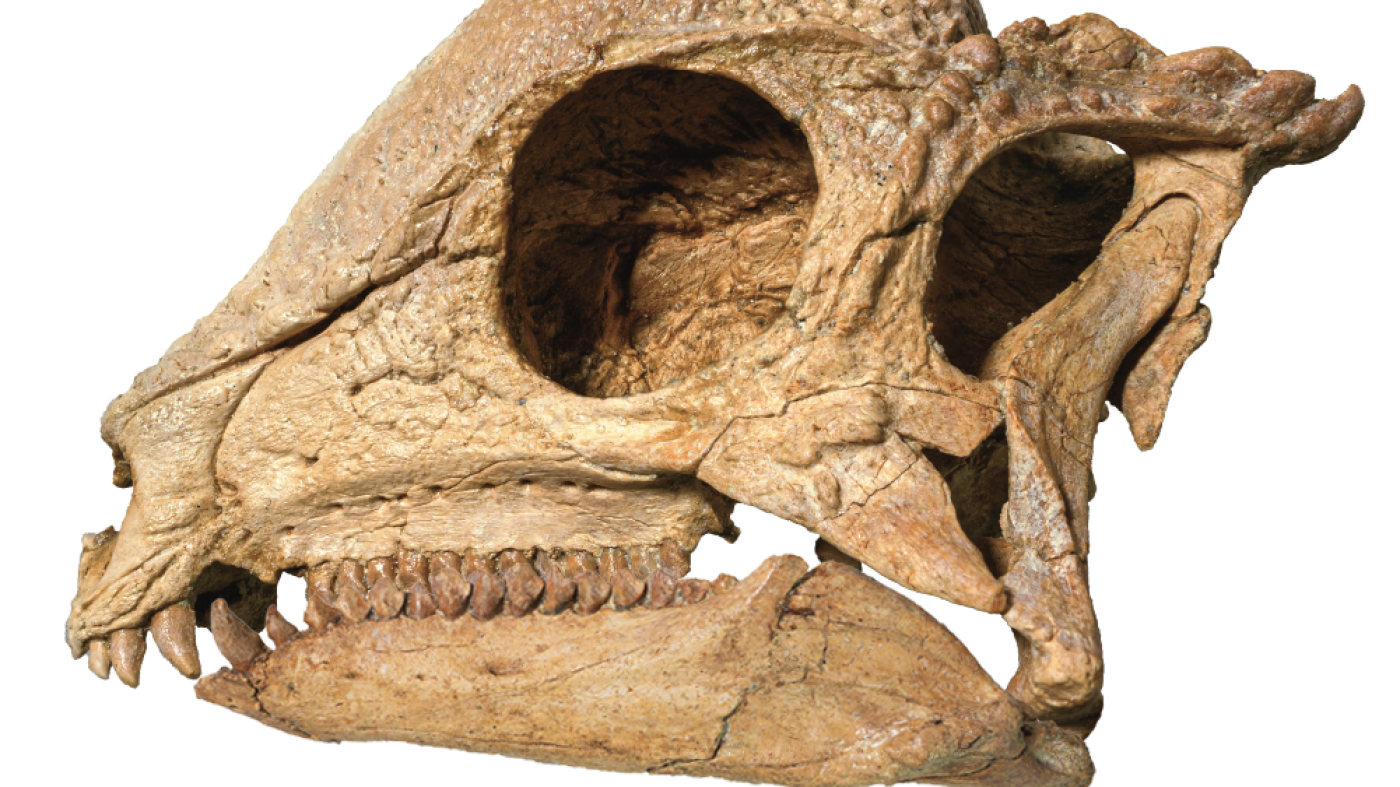
Unique Features: The skull, characterized by its indestructible dome and spikes, indicates that even juvenile pachycephalosaurs had fully developed domes, suggesting early behavioral practices regarding head-butting for territory or mates.
-
Research Potential: The completeness of this fossil allows scientists to deepen their understanding of pachycephalosaur anatomy and behavior, offering a wealth of information that researchers have long sought.
A remarkable discovery shines light on a little-known group of dinosaurs. Recently, paleontologist Chinzorig Tsogtbaatar and his team found a new species of pachycephalosaur in southeast Mongolia. They unearthed it during a 2019 expedition, uncovering a dome-shaped skull that resembled a polished gem.
This newfound dinosaur, named Zavacephale rinpoche, is significant. It predates the oldest known pachycephalosaur by 15 million years. Thus, it fills a critical gap in our understanding of this unique dinosaur lineage.
The fossil remained in Mongolia throughout the pandemic. Finally, in 2022, it arrived in North Carolina for detailed analysis. Paleontologist Lindsay Zanno expressed awe at the unique specimen. Its solid, bony structure and spikes suggest it could withstand impact, hinting at potential behaviors among these dinosaurs.
Researchers noted that the skull and other bones revealed important insights. For example, the dinosaur consumed small stones, which aided its digestion. Furthermore, the discovery of its tiny hand bones offered the first evidence of pachycephalosaur forelimbs. This juvenile dinosaur was around two years old and already sported a fully developed dome.
Experts are excited about the implications of this find. The completeness of this specimen sets it apart from previously discovered, often fragmentary examples. Its presence allows scientists to better understand the physical and behavioral traits of pachycephalosaurs. Curators believe this discovery will inspire new hypotheses about these dinosaurs’ lifestyles and social interactions.
Such advances in paleontology illustrate how new findings can reshape our comprehension of history. The ongoing research around Zavacephale rinpoche enhances our knowledge of evolution and enriches our understanding of life millions of years ago.
Continue Your Tech Journey
Explore the future of technology with our detailed insights on Artificial Intelligence.
Stay inspired by the vast knowledge available on Wikipedia.
SciV1
