

Top Highlights
-
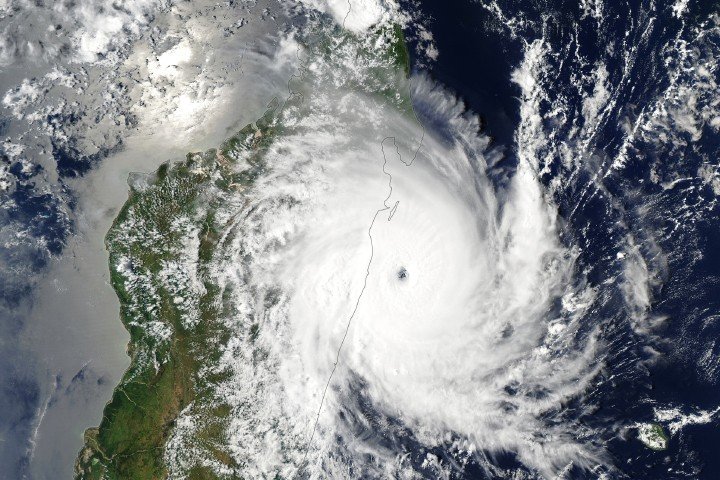
Recent Cyclone Strikes: Madagascar faced two powerful cyclones, Fytia on January 31 and Gezani on February 10, displacing thousands and causing widespread devastation.
-
Gezani’s Impact: Cyclone Gezani intensified rapidly to Category 3 strength with winds of 200 km/h, resulting in chaotic conditions in Toamasina, including power outages and lack of clean water.
-
Severe Flooding: The storms led to severe flooding, particularly around Toamasina, with damage assessed at over 27,000 homes and significant agricultural losses in villages along the Rongaronga River.
-
Cyclone Vulnerability: Madagascar, prone to about six cyclones annually, faces significant threats during the cyclone season from November to April, with peak occurrences between January and March.
Second Cyclone Slams Madagascar: Damage and Resilience
Madagascar faces a daunting challenge as a second cyclone strikes within two weeks. Cyclone Gezani hit on February 10, following the devastation left by Cyclone Fytia. Both storms brought strong winds and heavy rains, displacing thousands and causing heavy damage.
NASA’s Aqua satellite captured striking images of Gezani as it approached Madagascar. The storm intensified quickly, reaching sustained winds of 200 kilometers per hour before landfall. Meteorologists noted that the conditions were particularly favorable for this rapid strengthening, with warm sea temperatures and low wind shear.
As Gezani passed near Toamasina, the second-largest city, rain rates soared to 4 centimeters per hour. This deluge led to severe flooding, especially in Toamasina. Early assessments from the National Office for Risk and Disaster Management reported dozens of deaths, hundreds of injuries, and damage to over 27,000 homes. Residents faced power outages, collapsed roofs, and shortages of clean water.
Notably, the flooding hurt local agriculture. Villages and farmland near Brickaville, where crops like rice and vanilla grow, experienced extensive water damage. This devastation threatens food security and local economies.
Madagascar regularly endures cyclones, with about six storms annually and two making landfall. The cyclone season runs from November through April, peaking in January and March. As technological advancements in meteorology improve storm tracking, communities may better prepare for these natural disasters.
Ultimately, the resilience of the Malagasy people shines through as they begin to recover and rebuild. International aid will play a vital role in supporting recovery efforts and restoring normalcy to affected areas.
Continue Your Tech Journey
Explore the future of technology with our detailed insights on Artificial Intelligence.
Stay inspired by the vast knowledge available on Wikipedia.
SciV1
