

Essential Insights
-
Autonomous Systems Goal: Companies in AI are striving to develop “agentic” systems that operate independently, paralleling the urban air mobility industry’s push for autonomous flying vehicles.
-
Collaboration with NASA: Autonomy Association International Inc. (AAI) partnered with NASA’s Ames Research Center to develop a Data and Reasoning Fabric for improved aviation data management and decision-making.
-
Innovative Testing: AAI and NASA successfully tested advanced air mobility and medical delivery drones in Arizona, utilizing new data integration technologies to enhance operational efficiency.
-
Future Infrastructure: AAI is expanding its digital infrastructure platform, originally built for NASA, to various industries, emphasizing data management and smart city development while driving AI innovation.
NASA Partners with AAI to Advance AI and Transportation
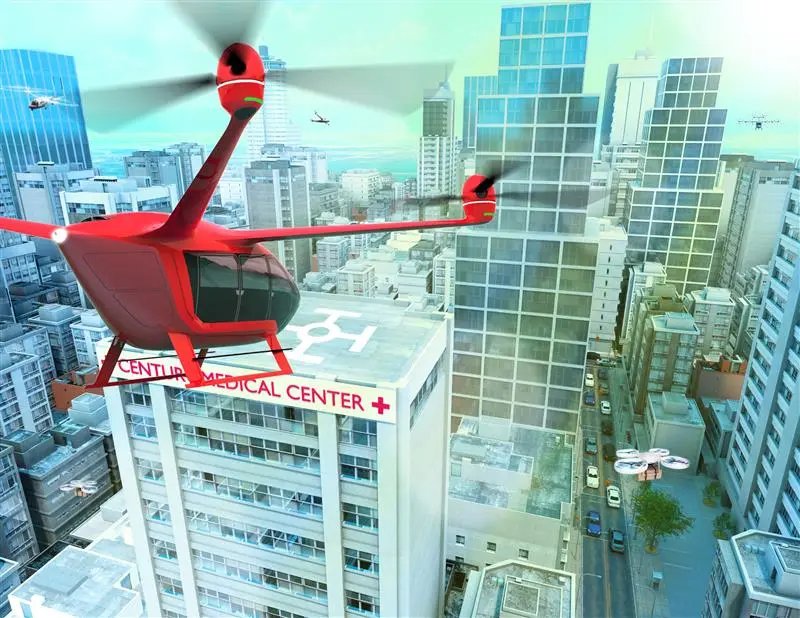
NASA has teamed up with Autonomy Association International Inc. (AAI) to push the boundaries of artificial intelligence and transportation. This collaboration aims to create “agentic” systems that can operate autonomously, free from human control. Moreover, it aligns with the urban air mobility industry’s vision of bringing flying vehicles to cities worldwide.
Based in Mountain View, California, AAI signed a Space Act Agreement with NASA’s Ames Research Center in 2022. This partnership supports the Data and Reasoning Fabric project. Notably, this initiative seeks to enhance transportation options for people and cargo in areas lacking aviation services. Consequently, it provides accurate and timely data for aeronautic decision-making.
Greg Deeds, AAI’s cofounder, expressed enthusiasm for the experience gained from the partnership. He noted, “Working with NASA engineers and leaders gave us experience that we’ll carry forward in all of our products.”
A data fabric blends multiple data sources, much like the threads in fabric. Unlike typical data fabrics, which may rely on a limited scope of cloud providers, NASA’s project integrates information from municipal governments and various service providers. This approach allows autonomous vehicles to prioritize requests from different towns efficiently.
Together with Ken Freeman from NASA, AAI conducted four flight tests over Arizona. The tests utilized advanced air mobility techniques, including passenger flights and drone deliveries of medical supplies to remote areas. A helicopter served as a stand-in for these vehicles, collecting data while flying over diverse landscapes, from urban settings to tribal lands.
Jennifer Deeds, AAI’s chief operating officer, highlighted the importance of creating a strong digital infrastructure for future smart cities. “We’re focusing on the digital infrastructure building blocks of smart cities and regions of the future,” she said.
Since the initial project, AAI has expanded its reach internationally, working with industries such as agriculture and real estate to enhance data management. Their Digital Infrastructure Platform, set to launch in 2024, builds upon technology refined during the NASA flight tests. Additionally, an innovative “agentic” version promises minimal interaction to fetch essential AI programs.
As AI technology accelerates advancements across various sectors, NASA plays a pivotal role. The agency empowers commercial partners, fostering transformative solutions that enhance quality of life and drive technological progress.
Stay Ahead with the Latest Tech Trends
Explore the future of technology with our detailed insights on Artificial Intelligence.
Stay inspired by the vast knowledge available on Wikipedia.
SciV1
