

Essential Insights
-
Unprecedented Fire Disaster: In August 2023, a fire in Lahaina, Maui, fueled by drought, hurricane winds, and low humidity burned over 2,170 acres and released toxins into surrounding waters, raising concerns about coral reefs and food safety.
-
Community-Driven Research: A team of researchers from the University of Hawaii at Mānoa collaborated with the local community to investigate pollution impacts on water and reef health, utilizing a rapid response plan funded by the NSF.
-
Water Quality Monitoring: Initial findings revealed copper levels from burned boats were initially toxic but have decreased to safe levels, while zinc concentrations have risen, underlining the necessity for ongoing monitoring.
-
Long-Term Reef Health Outlook: Ongoing studies show improving conditions for water safety, positive trends in copper and lead levels, and collaboration with local fishers to assess fish safety, providing a framework for future environmental research.
Investigating Immediate Effects on Coral Reefs
In August 2023, wildfires devastated Lahaina, Maui. These fires released harmful pollutants into nearby waters, raising urgent questions about the safety of the water and the health of the coral reefs. The local community, heavily dependent on these reefs for food and tourism, wondered if the coastline could still provide safe fish.
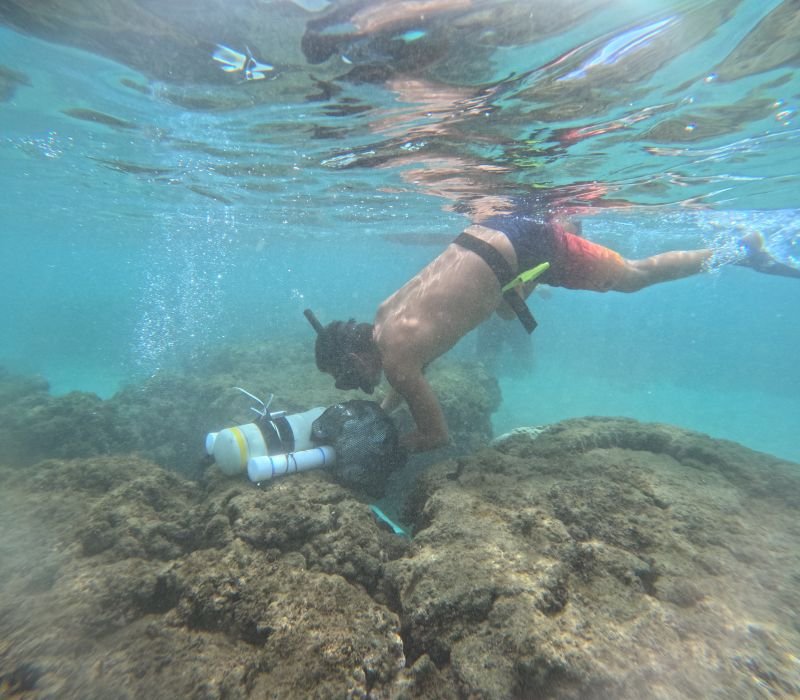
Researchers quickly organized under a National Science Foundation grant to assess the water quality. They established a sampling map, identifying areas of concern based on community input. This collaboration fostered a deeper connection between scientists and locals, ensuring that research addressed community needs. Early results showed some toxic metals, like copper, were initially at harmful levels but decreased over time. However, pollutants like zinc increased after storms, raising concerns for reef health moving forward.
Long-term Implications for Reef Health
The research team not only examined water quality but also partnered with local fishers to analyze fish safety. This unique collaboration aimed to track pollutant accumulation in important fish species. As the team collected samples, they maintained open communication with the community about findings and concerns.
So far, the indications are promising. Major pollutants like copper and lead have diminished to safer levels, and arsenic remains unaffected. While immediate fears have subsided, ongoing monitoring is critical. With wildfires becoming more frequent worldwide, this groundbreaking research serves as a model for understanding environmental impacts on coastal ecosystems. The effort promises both valuable insights for coral reef health and vital support for local food security.
Stay Ahead with the Latest Tech Trends
Explore the future of technology with our detailed insights on Artificial Intelligence.
Access comprehensive resources on technology by visiting Wikipedia.
TechV1
