

Summary Points
-
Historical Breeding: For 10,000 years, farmers have selectively bred crops for desirable traits, resulting in the fruits and vegetables found in stores today.
-
CRISPR Innovation: Researchers at Cold Spring Harbor Laboratory are using CRISPR gene-editing technology to rapidly enhance the growth and management of goldenberries, aiming for scalable farming solutions.
-
Plant Modifications: By editing genes, the team has created smaller, denser goldenberry plants that maintain flavor, making them easier to cultivate compared to their wild relatives.
-
Future Development: The researchers plan to seek regulatory approval for their new goldenberry varieties, enabling broader access and potential improvements in size, taste, and disease resistance.
The Evolution of Agriculture
For thousands of years, farming communities improved their crops through careful selection. They saved seeds from plants with the best traits: flavor, size, and toughness. This method, while effective, took generations to shape the fruits and vegetables we know today. With over 10,000 years of cultivation behind us, the need for faster solutions grows more urgent.
Researchers at Cold Spring Harbor Laboratory are breaking new ground. Using CRISPR, a powerful gene-editing tool, they are focusing on goldenberries, a small but nutritious fruit related to tomatoes. Their goal? To streamline cultivation and enhance resilience. This new approach could lead to crops that withstand diseases, pests, and the burdens of climate change. As one researcher put it, innovation in agriculture could prove crucial for feeding a growing global population.
Revamping the Goldenberry
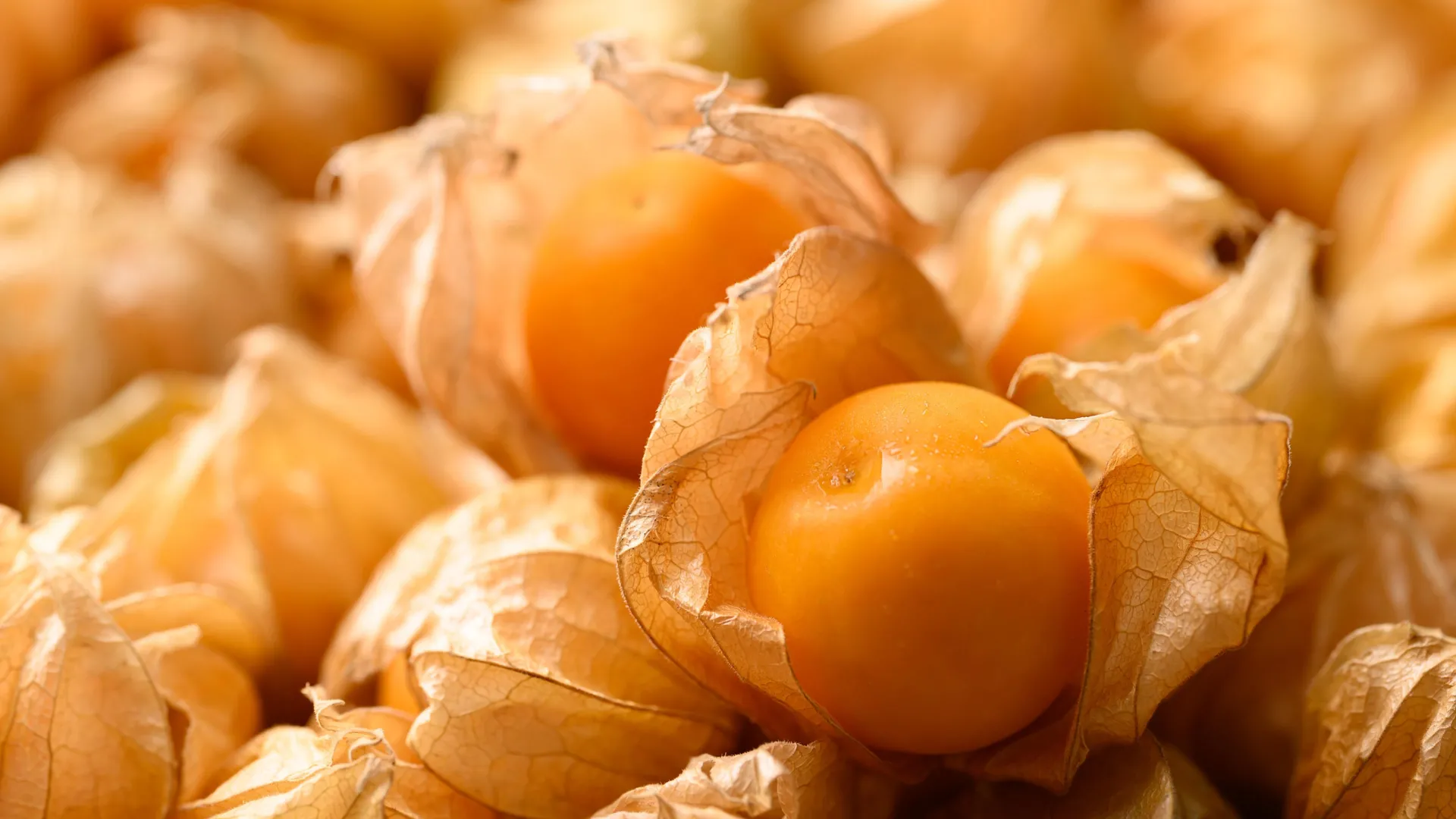
Goldenberries have much to offer, yet they pose significant challenges for farmers. They are typically sprawling plants, which complicates harvesting. Researchers note that these plants remain “not really domesticated,” making them labor-intensive to farm.
However, CRISPR can change that. By editing specific genes, scientists created shorter versions of goldenberries, making them easier to grow and manage. This reduction in size allows for denser planting, which can yield more fruit in a smaller area. Taste remains a priority, too. The team engaged in taste tests directly in the field, sampling hundreds of goldenberries to ensure they enhanced flavor.
Looking ahead, regulatory approval stands as the next hurdle. Once received, farmers could access these new varieties, paving the way for wider adoption. By modernizing crops with tools like CRISPR, we take a significant step toward a more efficient and resilient agricultural future. This journey emphasizes nature’s bounty while embracing innovation—two forces that must work together to feed the world.
Expand Your Tech Knowledge
Dive deeper into the world of Cryptocurrency and its impact on global finance.
Access comprehensive resources on technology by visiting Wikipedia.
TechV1
