

Fast Facts
-
Impact of Innovation: Innovations like transistors and advanced medical treatments significantly enhance daily life; however, the U.S. risks losing potential benefits without diverse participation in the innovation economy.
-
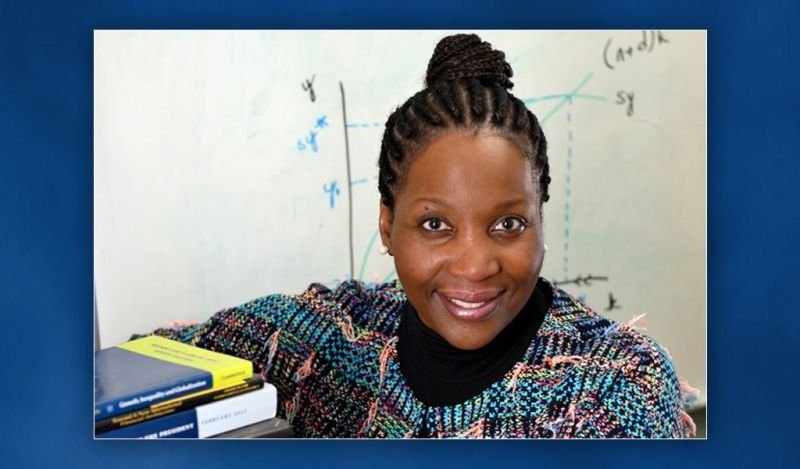
Underrepresentation Issues: Lisa D. Cook’s research highlights the detrimental effects of racial and gender disparities in innovation, emphasizing that women represent only one-third of inventors and that significant barriers remain for Black inventors, especially in venture capital access.
-
Education and Employment Gaps: While enrollment of women and minorities in STEM fields has increased, their presence in higher stages of the innovation process—employment and commercialization—remains limited, leading to persistent economic inequality.
-
Need for Inclusivity: Broadening participation in science and engineering is vital for boosting economic growth and the U.S.’s competitive edge, as a more inclusive innovation landscape can lead to increased idea generation and overall productivity.
Innovation Through Inclusion
Innovation drives economic growth. Yet, many talented individuals face barriers to entry in the U.S. innovation landscape. This situation persists despite evidence showing that diverse groups contribute significantly to this economy. When more voices join the conversation, society reaps the benefits, from advanced medical treatments to technological advancements.
Research highlights an alarming trend. Although participation rates of women and racial minorities in science and engineering have improved, the rates remain disproportionate compared to their overall population. Many talented individuals never reach the commercialization stage due to systemic inequities in the innovation process. Only 1% of venture capital funding goes to African Americans, while women receive even less. This underrepresentation stifles potential solutions to age-old problems and limits economic growth.
Addressing the Gaps
Understanding the obstacles in education, employment, and commercialization stages illuminates the path forward. Young talent, especially from marginalized backgrounds, needs access to mentorship and early involvement in research opportunities. Unemployment rates in STEM fields often stay high for African Americans, particularly women, despite their qualifications.
By actively fostering inclusive environments, we can erase these barriers. Greater participation can lead to more ideas and, ultimately, innovation. The U.S. must prioritize inclusivity to elevate living standards and ensure a competitive edge in the global economy. It is not just about numbers; it is about transforming lives and ideas into tangible advancements that benefit everyone.
Discover More Technology Insights
Dive deeper into the world of Cryptocurrency and its impact on global finance.
Explore past and present digital transformations on the Internet Archive.
TechV1
