

Quick Takeaways
-
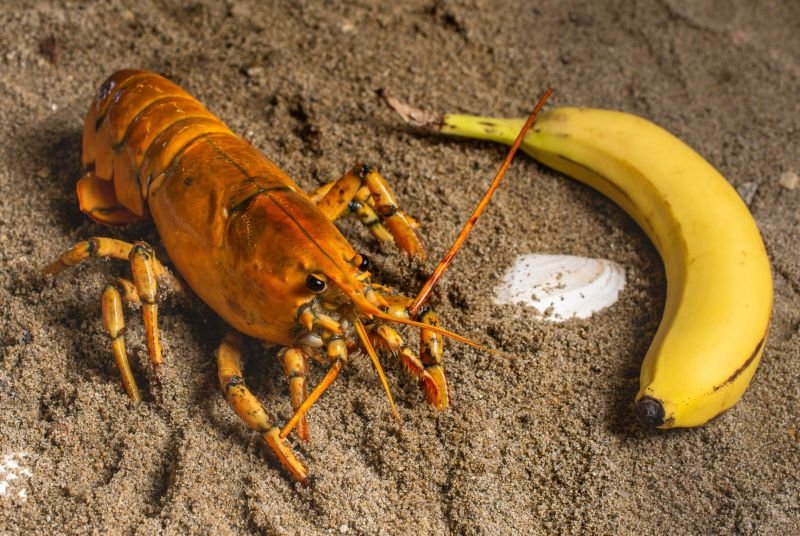
Introducing Banana: A bright yellow lobster named “Banana” has become the mascot for a research program studying the effects of climate change on Maine’s vital lobster fisheries, highlighting genetic mutations that lead to unique coloration.
-
Climate Change Impacts: Rising water temperatures in the Gulf of Maine, which are increasing seven times faster than global averages, pose significant threats to lobsters, including higher mortality rates and shell disease, impacting both lobster populations and fisheries.
-
Economic Significance: Lobster fishing is a cornerstone of Maine’s economy, contributing over $1 billion and supporting more than 5,500 jobs, emphasizing the need for research into climate impacts due to its vital role in the state’s “blue economy.”
-
Research Collaborative Efforts: The University of New England, along with various institutions, is utilizing an $860,000 NSF grant to study how warming waters affect lobster larvae, offering insights into global oceanic conditions and the future of marine ecosystems.
Banana: A Bright Beacon Amid Rising Waters
Maine’s coastal waters have gained a new, vibrant resident, “Banana,” a bright yellow lobster. This unusual crustacean has become a mascot for research aimed at understanding the impact of climate change on the state’s crucial lobster fisheries. Experts explain that Banana’s unique color stems from genetic mutations affecting pigment proteins. While only 1 in 30 million lobsters possess this yellow hue, genetic variations are not uncommon. As climate change accelerates, scientists worry about the future of lobsters. Water temperatures in the Gulf of Maine have risen three degrees Fahrenheit since 1900. This rapid warming poses significant risks. Lobsters, being cold-water species, migrate to deeper, cooler waters, disrupting breeding and survival rates. With warming waters, they become increasingly vulnerable to diseases that could devastate their population.
Climate change has already affected the Gulf of Maine disproportionately, highlighting potential threats to Maine’s economy. Lobster fishing represents a vital part of the state’s “blue economy,” contributing approximately $674 million annually. Furthermore, this sector generates over 5,500 jobs and supports not just local fishers but an entire supply chain. When lobsters suffer, entire communities feel the impact. Fortunately, researchers aim to tackle this issue head-on. With support from the National Science Foundation and collaborations across multiple institutions, scientists are investigating how these warming waters affect lobster larvae. Their research focuses on understanding temperature tolerance and the larvae’s growth success. Ultimately, the findings could shape the future of lobster fisheries and offer insights applicable to oceans worldwide.
Protecting Lobsters and Coastal Economies
The research efforts surrounding lobsters highlight the interconnectedness of climate health and economic stability. Without healthy lobster populations, Maine faces significant socioeconomic challenges. The lobster fishery constitutes around 80% of the seafood industry’s value. As scientists like those at the University of New England work diligently to assess the effects of climate change, their findings will serve as a crucial resource for policymakers. Protecting Maine’s lobster fisheries requires proactive measures and investment in sustainable practices to adapt to a rapidly changing environment.
Education also plays a vital role in this endeavor. The NSF initiative supports training the next generation of marine scientists, ensuring ongoing research and innovation. This commitment to education fosters informed citizens who understand climate change’s implications. Therefore, Banana the lobster symbolizes not only the plight of marine life but also the resilience and determination to adapt. Maine’s story will unfold as researchers uncover how to protect both its lobsters and its communities, guiding us in preserving valuable marine resources amid climate challenges.
Expand Your Tech Knowledge
Dive deeper into the world of Cryptocurrency and its impact on global finance.
Access comprehensive resources on technology by visiting Wikipedia.
TechV1
