

Top Highlights
-
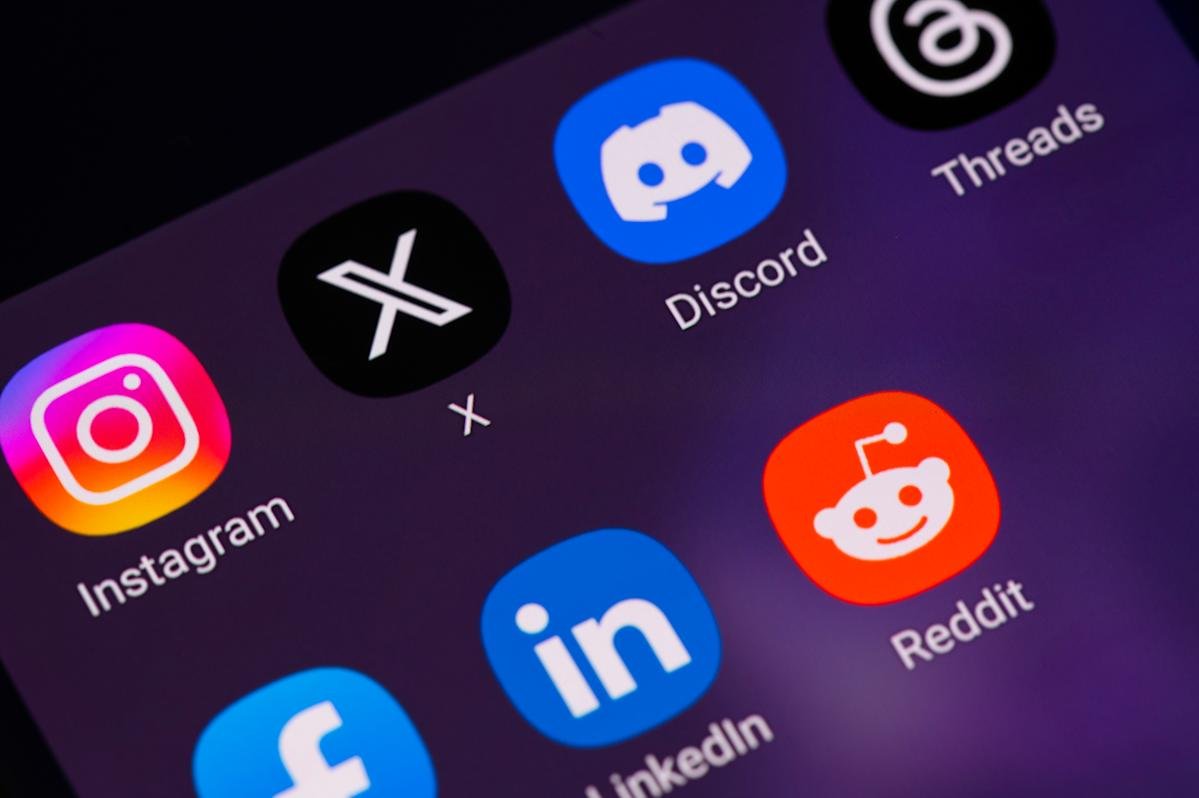
The DHS has issued hundreds of administrative subpoenas to major tech companies (Google, Reddit, Discord, Meta) for information on accounts criticizing ICE, marking an increase in surveillance efforts.
-
These subpoenas, which differ from warrants and are typically reserved for serious crimes, have raised concerns over government accountability and the potential suppression of free speech.
-
Companies like Google and Meta have implemented procedures to protect user privacy and inform users about subpoenas, but compliance options vary, with some users given a limited time to contest requests.
-
The ACLU is challenging the use of administrative subpoenas as a means to stifle dissent, while the government appears to intensify scrutiny on tech platforms regarding ICE-related content.
The Rise of Administrative Subpoenas
Recently, the Department of Homeland Security (DHS) has intensified its efforts to identify critics of U.S. Immigration and Customs Enforcement (ICE) online. Reports indicate that DHS issued hundreds of administrative subpoenas to major tech companies like Google, Reddit, Discord, and Meta. These subpoenas seek personal information from users who post anti-ICE sentiments or share the locations of ICE agents. Historically, DHS rarely employed such measures. This year’s shift shows a concerning trend toward using administrative subpoenas to target dissenting voices.
Tech companies now face a dilemma. While they may choose to comply, they also have the option to challenge these subpoenas. Some companies allow users up to 14 days to contest the requests in court. For instance, Google states it prioritizes user privacy and resists overbroad demands. However, the potential chilling effect on free speech cannot be overlooked. Organizations like the ACLU argue this surge in subpoenas represents an alarming tactic to suppress opposition.
Implications for Free Speech and Accountability
The implications of these actions are significant. Users posting about ICE activities on platforms like Facebook and Instagram now face the risk of having their identities exposed. In some cases, this can intimidate individuals from expressing their views. The ACLU has stepped in to advocate for the rights of these users, claiming that the DHS is misusing its power to silence dissent. Such tactics raise questions about the balance of safety and civil liberties.
Furthermore, the involvement of tech companies complicates the scenario. While they have a legal obligation to comply, they also hold a responsibility to protect user privacy. Meta’s recent decisions to block links to sites that track ICE agents underline the growing tensions between governmental interests and the platforms’ efforts to uphold user rights. As these battles continue, society must consider the fine line between national security and the fundamental right to free expression.
Continue Your Tech Journey
Learn how the Internet of Things (IoT) is transforming everyday life.
Discover archived knowledge and digital history on the Internet Archive.
TechV1
