

Fast Facts
-
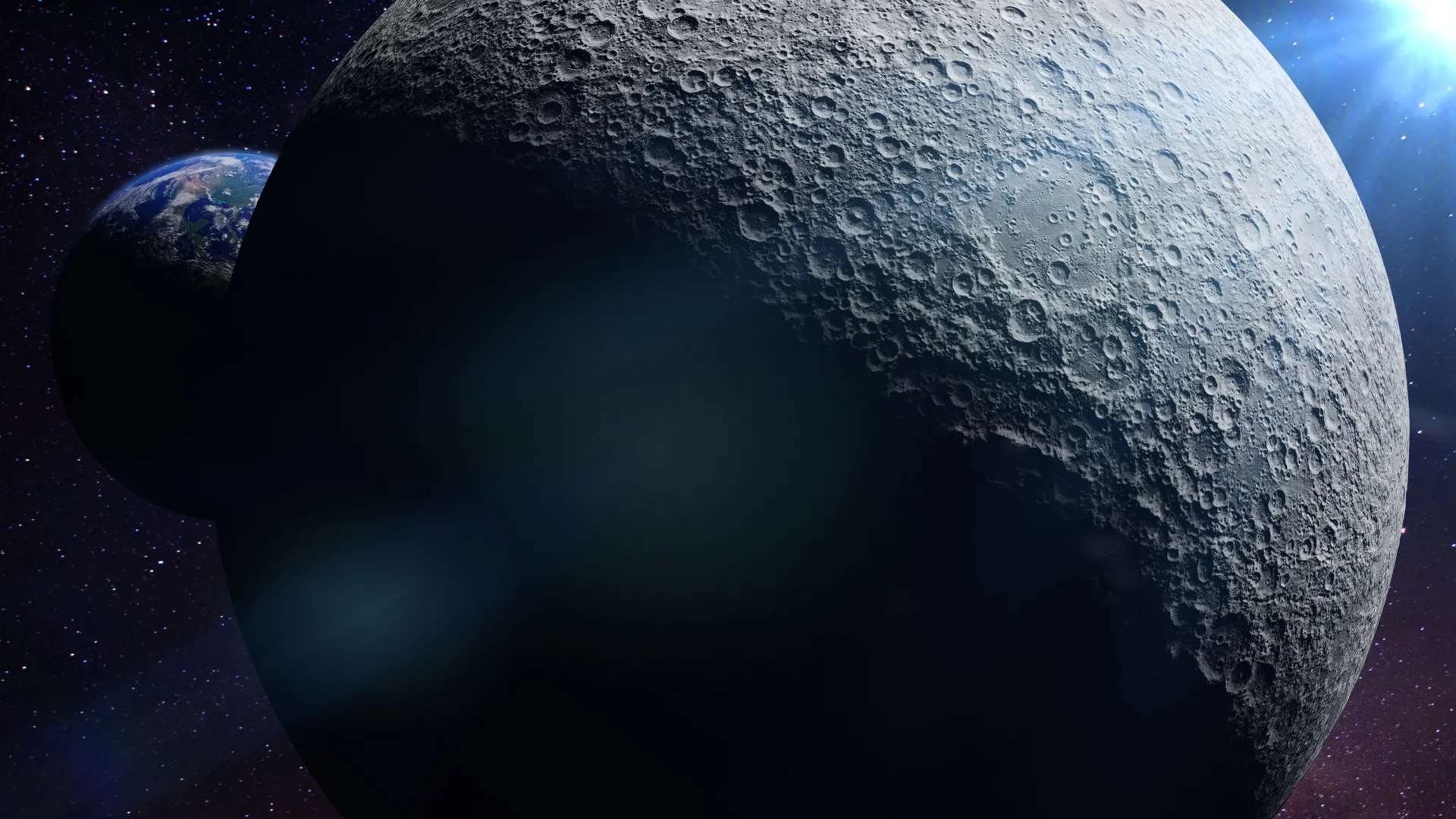
Colder Far Side: Analysis of lunar rock samples from China’s Chang’e 6 mission indicates the far side of the moon may be about 100°C cooler than the near side, challenging existing hypotheses about lunar temperature distribution.
-
Unique Geological Features: The far side of the moon features a thicker crust, more mountains, and fewer volcanic regions, suggesting significant geological differences from the near side.
-
Heat-Producing Element Distribution: The cooler temperature on the far side could stem from fewer heat-producing elements like uranium and thorium, potentially due to past asteroid impacts altering material distribution between sides.
-
Groundbreaking Research: The study utilizes advanced mineral analysis techniques to reveal the far side’s 2.8 billion-year-old rock suggests deeper geological differences and informs ongoing investigations into lunar evolution.
The Chilling Discovery of the Moon’s Far Side
Recent analyses reveal that the far side of the Moon harbors surprising secrets. Research from scientists at University College London and Peking University shows that this side may be cooler than the near side. They gathered rock samples from a crater, thanks to China’s Chang’e 6 spacecraft. This study suggests significant differences between the two faces of the Moon. The rock samples date back about 2.8 billion years and originate from deeper layers of the Moon, previously untouched by human missions.
The analysis indicated that the temperature of the far side’s rock formed from lava was approximately 1,100 degrees Celsius. In comparison, rocks from the near side reached about 1,200 degrees Celsius. This dramatic temperature difference arises from fewer heat-producing elements such as uranium and potassium on the far side. Furthermore, researchers speculate that a past collision with an asteroid may have contributed to this uneven temperature distribution. Therefore, the Moon’s two faces offer not only visual contrast but also geological mysteries.
Understanding the Moon’s dual nature holds significant implications for future lunar exploration. These findings could guide future missions, shedding light on the Moon’s interior and its formation. Studying the far side may enhance our knowledge of planetary geology. Researchers believe that the far side’s cooler temperature and thicker crust could suggest less volcanic activity, which raises questions about its geological history.
Future lunar missions might increasingly focus on gathering more samples from the far side. As scientists refine their techniques, they can unlock more secrets hidden beneath its surface. Finally, insights from these studies might also influence the broader human journey into space, offering greater understanding of planetary bodies beyond our own. This knowledge will be crucial as humanity continues to explore and potentially inhabit other worlds.
Discover More Technology Insights
Dive deeper into the world of Cryptocurrency and its impact on global finance.
Discover archived knowledge and digital history on the Internet Archive.
TechV1
