

Top Highlights
-
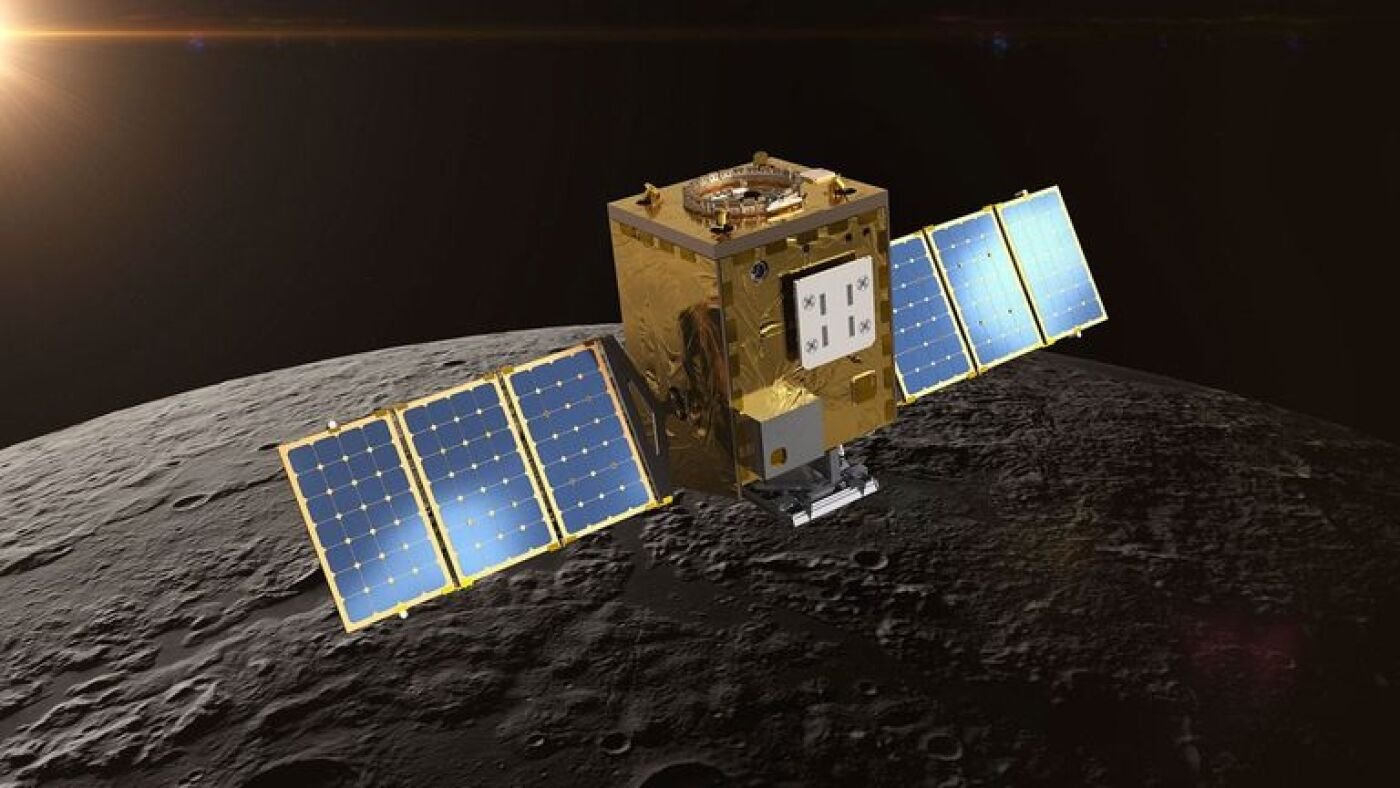
Mission Failure: The Lunar Trailblazer spacecraft, launched on February 26, 2025, failed due to a software error that misdirected its solar panels away from the sun, leading to the loss of contact just one day post-launch.
-
Cascading Errors: A NASA review identified multiple on-board fault management errors, alongside the solar panel issue, as contributing factors to the mission’s failure.
-
Lessons Learned: Both NASA and Lockheed Martin expressed commitment to enhancing testing protocols and risk management strategies for future low-cost missions to prevent similar failures.
-
Broader Implications: The case of Lunar Trailblazer has prompted increased scrutiny and precautions for subsequent missions like Escapade, as stakeholders emphasize the necessity of aligning institutional goals with effective technical execution.
NASA experienced a setback with the Lunar Trailblazer mission. Launched on February 26, 2025, the spacecraft aimed to map water on the moon. However, mission managers lost contact just one day after its launch, leading to a detailed investigation.
A recent report reveals the reason for this mission failure. An error in the pointing software caused the spacecraft’s solar panels to face away from the sun. Consequently, it stopped receiving power. This oversight connected with other “erroneous on-board fault management actions” led to the mission’s demise.
Experts explain that complex systems often fail due to multiple issues. For instance, similar problems occurred during a previous mission. The review pointed out that Lockheed Martin, which built Lunar Trailblazer, did not adequately test the software before launch. Although mission managers could have possibly corrected the pointing error, additional software issues hindered their ability to do so.
Both NASA and Lockheed Martin acknowledged the lessons learned from this experience. NASA emphasized the importance of applying these lessons to future lower-cost missions. Such missions come with inherent risks, but they also pave the way for scientific advancement.
Experts highlight that cheap failures can discourage scientists dedicated to lengthy missions. Nevertheless, they express gratitude for the support from the broader community during recovery efforts. This incident serves as a significant learning opportunity for upcoming missions, such as the Escapade project, currently studying Mars.
As a result, NASA has implemented extra checks before launch to ensure mission success. Scientists draw from past experiences, emphasizing the balance between risk and planning. This proactive approach could improve future missions, enhancing our understanding of celestial bodies and supporting technological development in space exploration.
Continue Your Tech Journey
Stay informed on the revolutionary breakthroughs in Quantum Computing research.
Explore past and present digital transformations on the Internet Archive.
SciV1
