

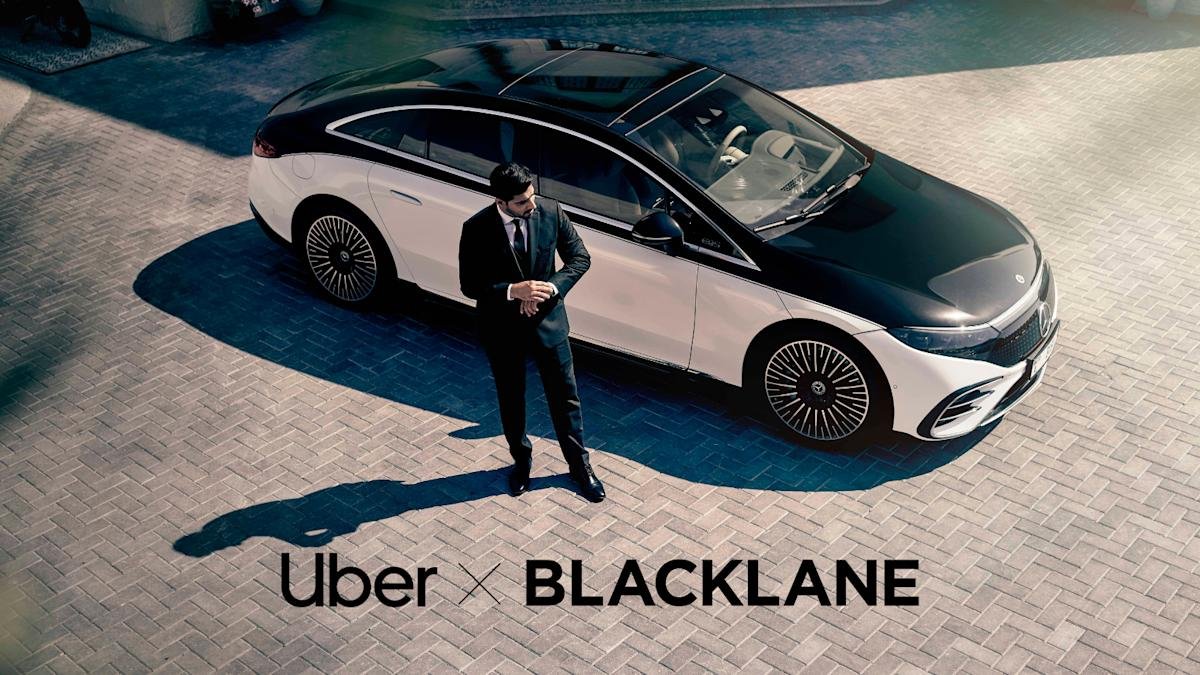
Summary Points
-
Strategic Acquisition: Uber has acquired Blacklane, a Berlin-based chauffeur service startup, aiming to strengthen its position in the luxury travel sector.
-
Global Reach: Founded in 2011, Blacklane operates in over 500 cities across 60+ countries, providing premium chauffeur services and long-distance rides.
-
Regulatory Approval: The acquisition, subject to regulatory approvals, is expected to close by the end of 2026, marking a significant milestone for Blacklane’s international expansion.
-
Market Competition: This move follows Uber’s launch of Uber Elite, raising questions about potential competition between the two services in the luxury ride market.
Expanding Luxury Horizons
Uber’s acquisition of Blacklane signals a strategic shift into the luxury travel sector. Blacklane, a Berlin-based startup, has established itself as a key player in premium chauffeur services. It connects travelers with independent local chauffeurs, making upscale transportation accessible in over 500 cities globally. This partnership enhances Uber’s offering by adding expertise and an established presence. As Uber aims to elevate its brand, it integrates Blacklane’s sophisticated services, such as airport pickups with flight tracking and long-distance rides.
Furthermore, this acquisition occurs shortly after Uber launched its invite-only Uber Elite service. This indicates a clear intent to compete in the high-end market. However, clarity remains absent regarding overlap between Uber Elite and Blacklane. This uncertainty raises questions about how these services will coexist in the premium space. While competition may stimulate innovation, it could also confuse consumers seeking straightforward luxury options.
Market Implications and Future Prospects
The potential impact of this acquisition goes beyond just service offerings. It could reshape consumer expectations around luxury travel. More people might seek chauffeur services as an appealing alternative to traditional taxi options. This could lead to a significant shift in urban mobility.
Moreover, with Blacklane operating in key markets like New York City, expanded access may attract a new demographic of travelers willing to invest in a premium experience. Simultaneously, new entrants in the luxury hailing space, like Wheely, introduce additional competition. As these services vie for market share, consumers will likely enjoy better options and pricing.
The regulatory landscape remains a hurdle. Uber expects the deal to close by the end of 2026, but gaining approvals in various jurisdictions can delay integration and growth. Nevertheless, this acquisition underscores Uber’s commitment to evolving its business model. It aims to redefine how people experience travel, making it more luxurious and personalized. As this sector develops, it will be vital to watch how these dynamics unfold in the coming years.
Continue Your Tech Journey
Dive deeper into the world of Cryptocurrency and its impact on global finance.
Stay inspired by the vast knowledge available on Wikipedia.
TechV1
