

Top Highlights
-
Innovative Solution: Brooklyn-based startup PopWheels is testing e-bike batteries to power New York City food carts, aiming to replace noisy gas generators and improve the dining experience.
-
Cost-Effective Model: Food cart owners could save on energy costs; PopWheels charges $75 monthly for battery access, compared to the $100+ per month for traditional e-bike charging services.
-
Safety First: The startup’s charging cabinets are designed with fire safety in mind, addressing past e-bike fire issues in NYC and promoting a secure charging infrastructure.
-
Positive Reception: Initial trials with La Chona food cart revealed strong interest from other vendors, highlighting potential for broader rollouts and enhanced quality of life for both owners and customers.
Transforming Food Cart Energy Consumption
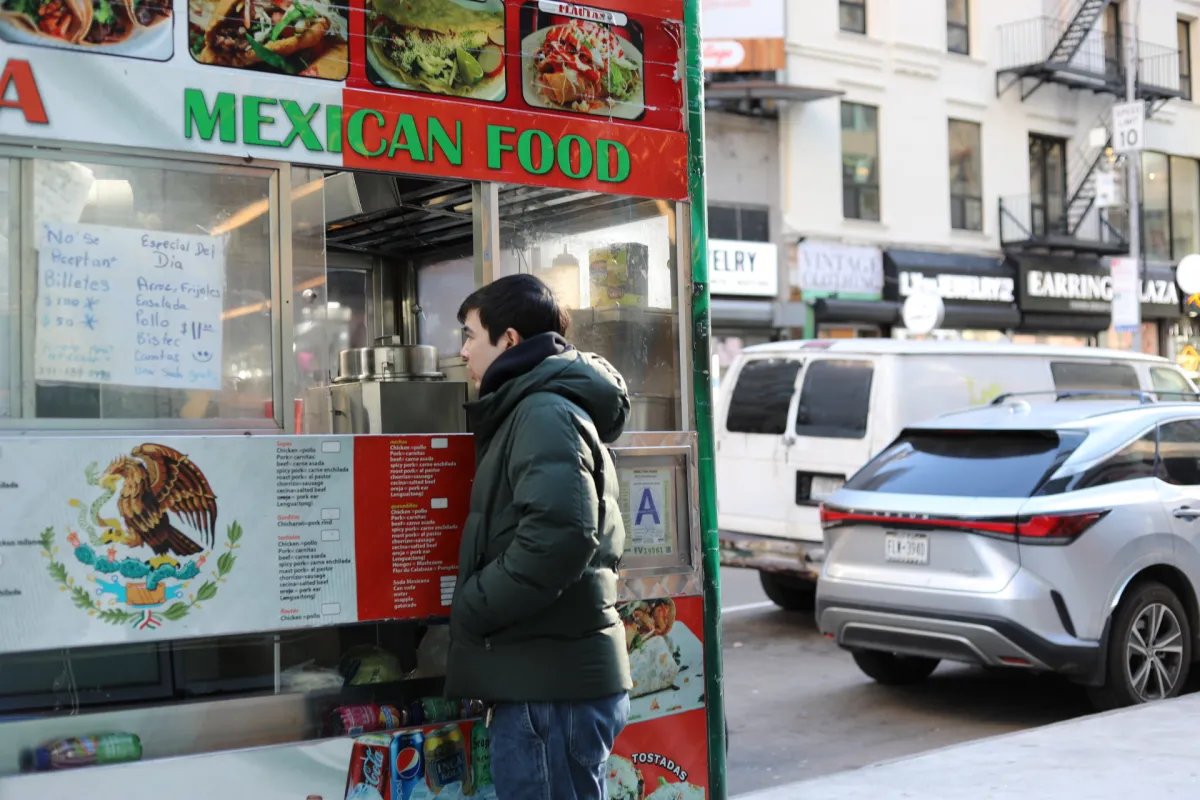
New York City thrives on its food carts. They deliver a range of cuisines quickly and affordably. However, the gas generators often pollute the air and create an unpleasant experience for customers. Thankfully, a Brooklyn-based startup is changing this narrative. By utilizing e-bike batteries, PopWheels offers a cleaner, quieter alternative. They launched their initiative with La Chona Mexican cart in Manhattan. This pilot project demonstrates the potential for e-bike batteries to power food carts efficiently.
PopWheels provides a simple solution. They installed charging cabinets around Manhattan, allowing food carts to access battery packs easily. If a cart needs more power, owners can simply swap batteries midday, ensuring they stay operational. The startup’s focus on affordability enhances its appeal. For $75 a month, food cart owners can power their operations without the noise and fumes associated with traditional generators. This shift represents not just a technology upgrade for food carts, but also a step toward a more sustainable city.
Widespread Adoption and Future Considerations
The benefits of PopWheels’s system extend beyond individual food carts. E-bike battery swap stations contribute to a broader urban infrastructure. They allow various users to access energy without relying on traditional fossil fuels, promoting a cleaner environment. As more food carts adopt this method, the decrease in emissions will improve air quality. Moreover, the potential for cost savings makes this model attractive to cart owners. They no longer face high gas expenses, which can total about $10 a day.
As the pilot expands, other cities might consider similar models. The success seen in New York can encourage a shift toward renewable energy sources in food vending. PopWheels aims not just to serve food vendors but to spark a conversation about energy consumption in bustling urban areas. If successful, this initiative could pave the way for future innovations, leading us toward a more sustainable urban food culture.
Discover More Technology Insights
Explore the future of technology with our detailed insights on Artificial Intelligence.
Stay inspired by the vast knowledge available on Wikipedia.
TechV1
