

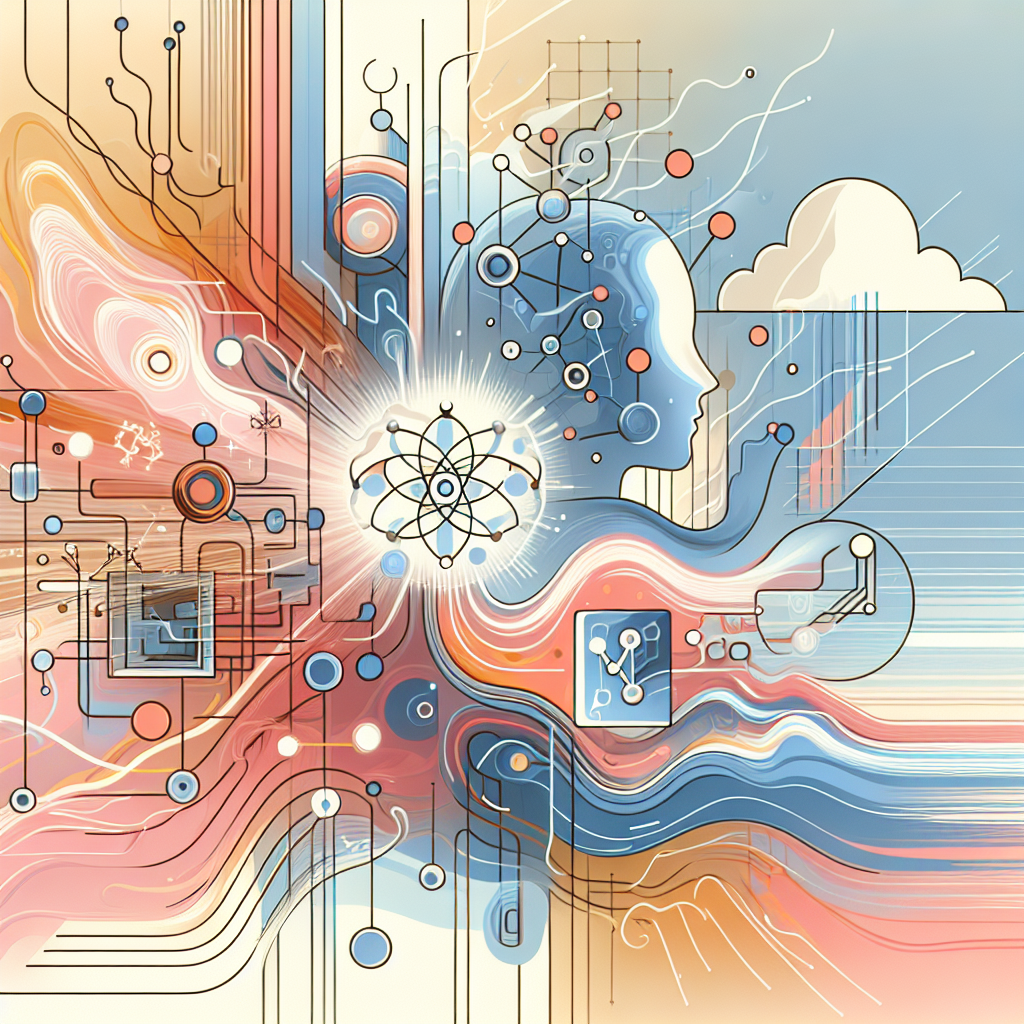
Unraveling Quantum Computing and AI
“Quantum Leap: How AI and Quantum Computers Will Change Our World” confronts an exhilarating crossroads of technology. At the heart lies quantum computing, a realm where particles behave in strange and captivating ways. Here, the ordinary rules of classical computing dissolve. Just as flipping a coin can show either heads or tails, quantum bits, or qubits, can exist in a state of both at once. This property, called superposition, allows quantum computers to process vast amounts of information much faster than traditional computers.
Artificial intelligence, on the other hand, revolves around machines that mimic human intelligence. These systems learn from data, adapt to new information, and execute tasks typically requiring human cognition. Picture a smart assistant that understands your voice and manages your schedule—this AI works tirelessly to improve your life.
Together, these technologies have the potential to solve complex problems humanity faces today. Think of the implications for medicine. AI can analyze medical histories swiftly, while quantum computing could model biochemical interactions at an atomic level. This combination may lead to new treatments for diseases that have plagued us for generations.
Transforming Industries
The landscapes of industries like climate science and logistics also shimmer with promise. Quantum computers can help model climate change with unprecedented accuracy, leading to better predictive models. Imagine knowing the precise impact of policy changes on the environment before implementing them. That vision isn’t far-fetched; it’s on the horizon.
Logistics stands to gain immensely as well. Deliveries could optimize routes in real time, reducing fuel costs and time spent on the road. In one study, researchers found that AI has already improved supply chain efficiency by 20%. Quantum computing can push these advancements even further, allowing for an interconnected web of information that minimizes waste.
As thrilling as these advances are, they come with profound ethical implications. The questions loom large: Who controls this power? Will it serve humanity broadly or deepen existing divides?
Imagine a world where quantum-enhanced AI makes critical decisions. What safeguards protect those decisions? How do we ensure that such powerful technologies uplift everyone, not just the privileged? These pressing questions challenge us to think critically about our role in shaping the future.
Bridging the Divide
As we brush against the fringes of immense capability, the risk of a growing digital divide increases. Does everyone get a seat at the table, or do technological advancements further disadvantage those already struggling? Initiatives that promote equitable access to these breakthrough technologies become crucial. Education and investment in underserved communities can bridge this gap, ensuring everyone can benefit from the computational power of quantum technology.
We find ourselves at an intriguing juncture. The combination of AI and quantum computing could reshape our daily lives, driving innovation forward while simultaneously raising critical ethical questions. What does it mean to be human in an age where machines learn and adapt? How do we redefine our identity, balancing between enhancement and dependency?
As we forge ahead, we must grapple with these deep questions. The leap into quantum technology beckons us to ponder: How can we harness its power responsibly? The intersection of AI and quantum computing holds both promise and peril. Our choices today will shape the world of tomorrow. As we now stand on the brink of incredible breakthroughs, we must ask ourselves: What role do we want to play in this unfolding story?
Stay Ahead with the Latest Tech Trends
Dive deeper into the world of Cryptocurrency and its impact on global finance.
Stay inspired by the vast knowledge available on Wikipedia.
OPED_V1
