

Fast Facts
-
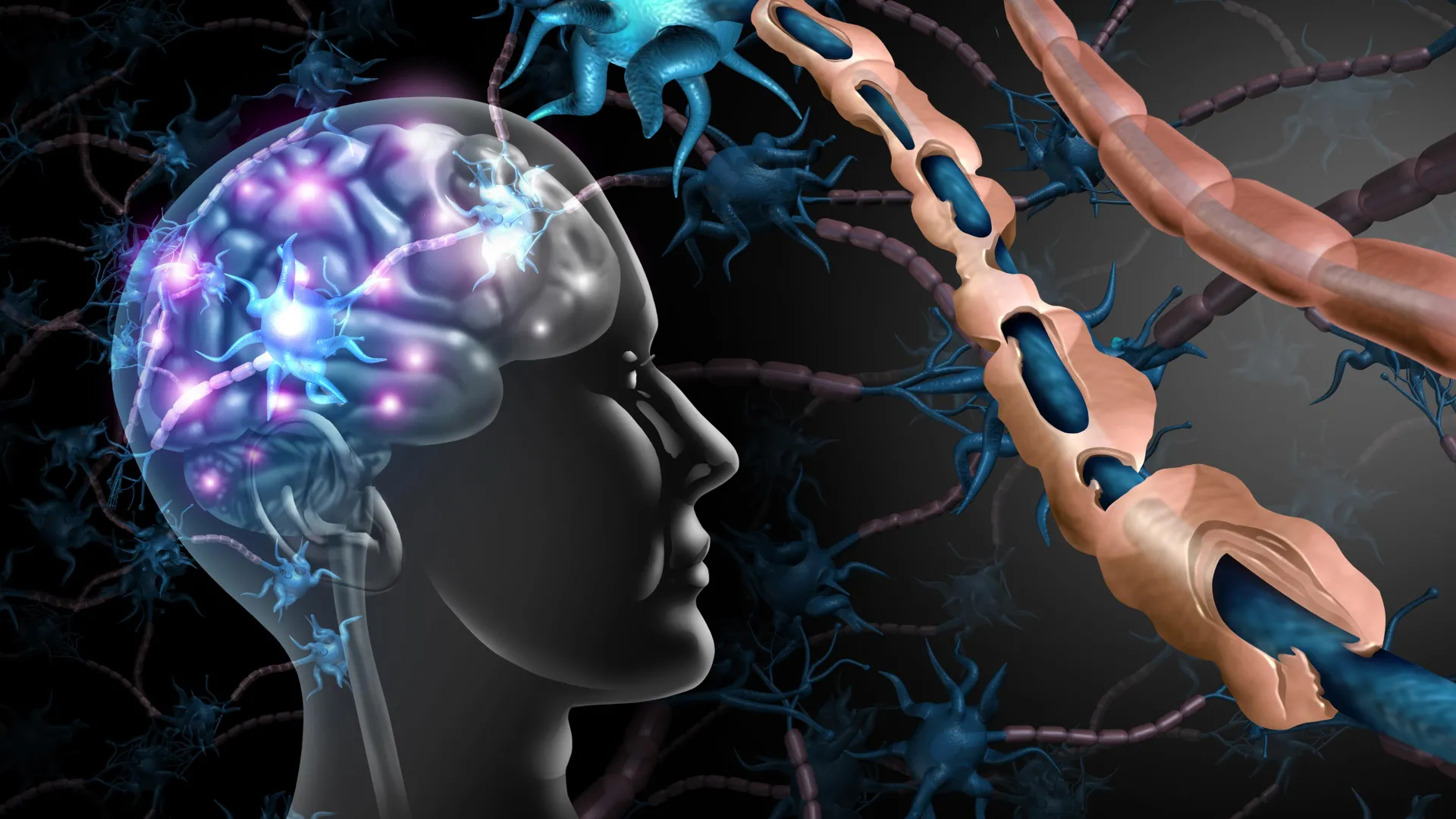
Multiple Sclerosis Impact: MS is a long-term autoimmune disease that affects over 2.9 million people globally by damaging the myelin sheath, disrupting nerve communication and causing symptoms like paralysis and vision problems.
-
Promising Compounds Identified: Researchers have identified two compounds, K102 and K110, that promote remyelination and regulate immune activity, marking significant progress toward potential therapies for MS.
-
Successful Collaboration: The project, stemming from over a decade of collaboration, was accelerated by funding from the National MS Society, leading to a partnership with Cadenza Bio for clinical testing.
-
Broader Application Potential: While K102 and K110 are focused on MS, their developmental framework may extend to other neurological conditions, paving the way for future treatments beyond MS.
Revolutionizing Treatment for Multiple Sclerosis
Multiple sclerosis (MS) affects millions worldwide. It is an autoimmune disorder where the immune system damages the myelin sheath that protects nerve fibers. This damage disrupts communication between the brain and body, causing severe symptoms like numbness and paralysis. Although existing treatments reduce inflammation, they don’t address the root problem of nerve damage. Recent breakthroughs in research show promise for reversing this damage. Scientists discovered two compounds, K102 and K110, that encourage myelin repair. This research, supported by the National Multiple Sclerosis Society, opens new doors for treatment.
The study, led by dedicated researchers, involved years of collaboration and innovation. The team identified K102 as a leading candidate, demonstrating significant effects on myelin repair. This compound not only restores nerve insulation but also balances immune activity—vital for MS management. Meanwhile, K110 shows potential for other neurological conditions. As these compounds progress toward clinical testing, their implications extend beyond MS. They may offer hope for individuals with traumatic brain injuries and neurodegenerative diseases as well.
From Lab to Life: The Path Ahead
The journey from discovery to treatment involves many challenges. Academic partnerships play a crucial role in the commercialization of research. The National MS Society’s Fast Forward program helped bridge the gap between laboratory findings and real-world applications. This initiative allowed researchers to collaborate effectively, leading to the licensing of their compounds to Cadenza Bio, a company ready to advance the drug development process.
Investors see the potential in K102 and K110. The focus now shifts to conducting the necessary studies for human clinical trials. The excitement surrounding these compounds reflects a growing belief in the power of science to make a lasting impact on health. Initial studies aim to combat MS, but researchers hope that building on this foundation could benefit those suffering from various forms of neuronal damage. As these efforts progress, they exemplify the dedication to improving human health and the potential of scientific collaboration.
Stay Ahead with the Latest Tech Trends
Stay informed on the revolutionary breakthroughs in Quantum Computing research.
Explore past and present digital transformations on the Internet Archive.
TechV1
