

Top Highlights
-
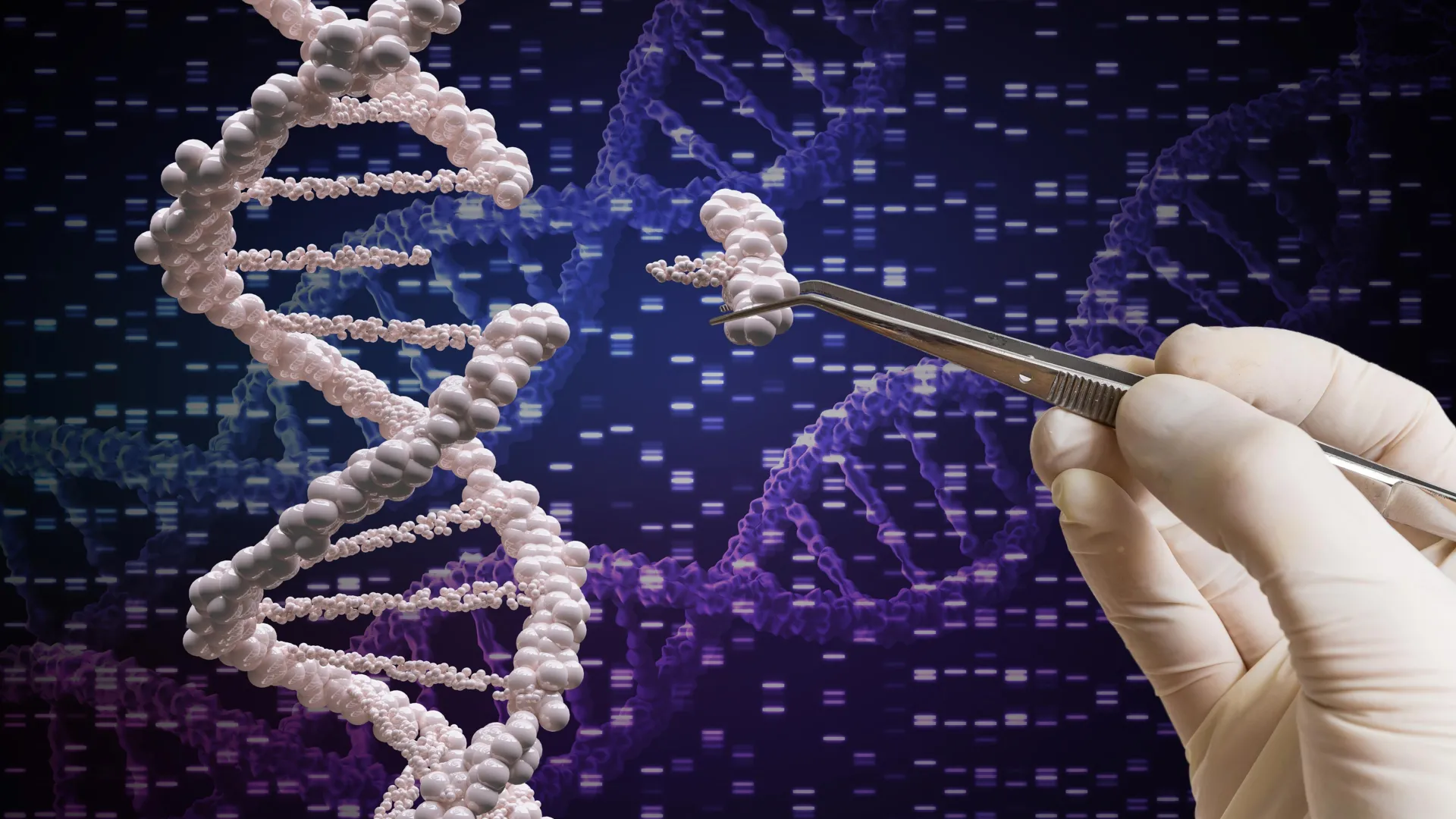
Prime Editing Advancement: Researchers at MIT have improved prime editing, a gene-editing technique, reducing error rates from one in seven edits to about one in 101, enhancing safety and precision for potential medical applications.
-
Revolutionary Method: The new method utilizes modified Cas9 proteins to create more stable cuts in DNA, allowing corrected sequences to be incorporated with significantly fewer mistakes.
-
Safer Gene Therapy: This refined approach aims to minimize unwanted mutations and side effects, presenting a safer alternative for treating various genetic diseases.
-
Future Research Directions: The MIT team plans to optimize delivery methods for their gene-editing technology in specific tissues, while encouraging its use in broader research applications to bolster scientific understanding and therapeutic potential.
Transforming Medicine Through Precision
MIT’s latest advancements in gene editing shine a light on a promising future for medicine. Researchers have refined a technique known as prime editing, which allows scientists to alter faulty genes with increased accuracy. This tool can potentially treat various genetic disorders by transforming harmful mutations into healthy sequences. However, earlier versions of this technique raised concerns due to their error rates. Scientists found that prime editing could make unintended mistakes, which, while often harmless, sometimes pose serious health risks.
The new research dramatically lowers the rate of these errors. By tweaking the key proteins involved in the editing process, the team reduced the average mistake rate from one in seven edits to about one in 101. This breakthrough offers hope for safer and more effective gene therapy. Experts emphasize that this precision will enhance treatment outcomes while minimizing side effects, thereby making gene therapy a more practical option across diverse medical applications.
Pathway to Widespread Adoption
The journey from laboratory success to real-world application can be challenging. Nevertheless, the potential for prime editing to revolutionize medicine is substantial. As scientists continue to optimize this technique, they also explore ways to deliver it effectively within the body. Ensuring precise targeting remains a significant hurdle in gene therapy.
Additionally, the implications of these advancements extend beyond treating diseases. Improved gene-editing methods can facilitate critical research, shedding light on genetic disease mechanisms and assisting in the development of new therapies. As this technology matures, its integration into clinical practices may redefine how we approach genetic disorders, ultimately contributing to the evolution of personalized medicine. Thus, the strides made at MIT highlight not only technological advancements but also a growing commitment to a healthier future for humanity.
Discover More Technology Insights
Learn how the Internet of Things (IoT) is transforming everyday life.
Explore past and present digital transformations on the Internet Archive.
TechV1
