

Top Highlights
-
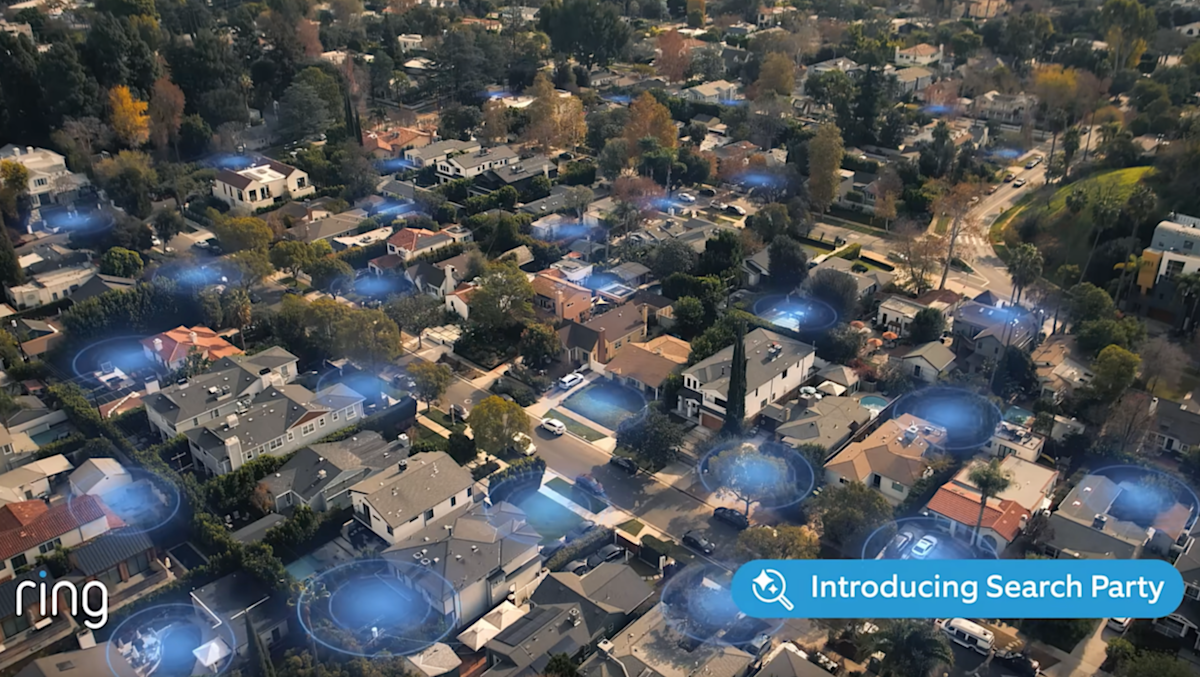
Search Party’s Expansion: Ring CEO Jamie Siminoff indicated that the Search Party feature, initially launched to help find lost dogs, could evolve into a tool aimed at “zeroing out crime in neighborhoods.”
-
Facial Recognition Risks: The introduction of the Familiar Faces tool for identifying individuals could combine with Search Party technology, potentially transforming into a powerful surveillance mechanism.
-
Law Enforcement Collaboration: Siminoff mentioned leveraging Ring technologies for crime prevention, highlighting a longstanding relationship with law enforcement and possible use in high-profile investigations.
-
Public Backlash & Partnership Cancellation: Following public outcry over the Search Party tool, a planned partnership with Flock Safety was canceled, although Ring cited resource challenges rather than public sentiment.
Expansion Possibilities
Ring’s Search Party feature originally focused on locating lost dogs. However, recent comments from CEO Jamie Siminoff hint at broader ambitions. He mentions a vision where this technology could help “zero out crime in neighborhoods.” This statement raises eyebrows. Many find it troubling that a tool designed for pets might evolve into a comprehensive surveillance system. While the company’s intention appears to focus on community safety, the implications of such a shift are significant. If Ring integrates Search Party with its Familiar Faces technology, they could create a powerful surveillance tool. This combination could allow users to identify specific individuals in their vicinity, pushing the boundaries of privacy.
Despite the potential benefits, public sentiment comes into play. After initial backlash over privacy concerns, Ring canceled a partnership with a surveillance company. This decision came after criticism intensified, following a Super Bowl ad that featured the Search Party tool. Ring asserts that it does not process human biometrics and emphasizes that camera owners control sharing. Yet, the ambiguity surrounding future applications of this technology remains. As Ring explores these possibilities, the balance between safety and privacy will fuel ongoing discussions in the tech community and society at large.
Implications for Society
The expansion of Ring’s technology could reshape neighborhood dynamics significantly. On one hand, residents may appreciate increased safety. The idea of technology collaboratively working to deter crime is appealing. However, this concept also raises ethical questions. Citizens often value their privacy. Are communities ready for a reality where personal information could be collected and shared more widely?
Furthermore, Ring’s close relationship with law enforcement complicates matters. While the goal of reducing crime is noble, the potential for misuse is concerning. The technology could lead to unwarranted surveillance or profiling. As the company gathers data to create a more interconnected network of cameras, the risk of infringing on rights escalates.
In summary, as Ring plans to expand its Search Party feature, society must engage in thoughtful dialogue. The balance between public safety and personal privacy remains delicate. Moving forward, stakeholders must consider the implications of technology on the human journey, fostering a future that embraces innovation while respecting civil liberties.
Expand Your Tech Knowledge
Learn how the Internet of Things (IoT) is transforming everyday life.
Access comprehensive resources on technology by visiting Wikipedia.
TechV1
