

Quick Takeaways
-
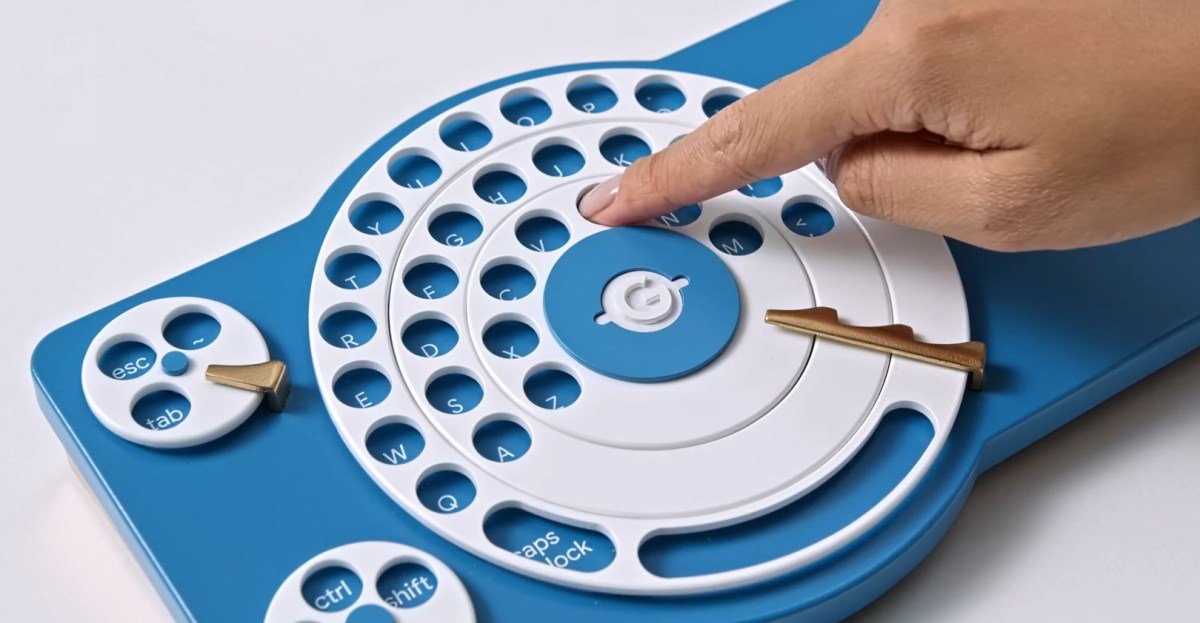
Innovative Design: Google Japan’s latest keyboard concept, the Gboard Dial Version, features nine dials instead of traditional keys, reflecting a nostalgic rotary phone aesthetic.
-
Functional Mechanism: Users type by rotating dials to select characters, utilizing modern sensors to convert movements into USB signals, replacing the traditional pulse dialing method.
-
Retro Features: The design mimics rotary technology, where dials automatically return to their starting position after selection, enhancing user interaction reminiscent of vintage devices.
-
Privacy Enhancement: Accompanied with a stand, the keyboard automatically disables your webcam during video calls when you place your mouse on it, promoting privacy in digital communications.
A Nostalgic Blend of Old and New
Google Japan’s latest innovation, the Gboard Dial Version keyboard, showcases a remarkable fusion of nostalgia and technology. Inspired by rotary phones, this keyboard replaces traditional keys with rotating dials. Users type by inserting their finger into a hole and turning the dial to select each character. This design recalls the era of pulse dialing, where the rotation generated electric signals that a phone company deciphered. However, Google updates this concept by employing modern sensors to translate dial movements into USB signals. This blend of past and present paves the way for creative user interaction.
Moreover, the Gboard Dial Version connects seamlessly with contemporary needs. The added functionality of a stand, which turns off a webcam during video calls when a mouse is placed atop it, highlights a thoughtful approach to privacy in a virtual world. Innovations like these tap into user habits while enhancing the technological experience. By combining familiar mechanics with current tech, Google Japan invites users to engage in a playful yet practical manner.
Practicality and Potential Adoption
Despite its whimsical inspiration, this keyboard concept raises questions about practicality and widespread adoption. While the rotary design may charm some users, others might find it cumbersome. Transitioning from a quick tap of a key to a dial’s rotation demands an adjustment in typing style. However, as technology evolves, consumers often embrace new ideas that enhance their experiences.
Additionally, the Gboard Dial Version could carve out a niche among users seeking unique interfaces. Its retro aesthetic might attract those who appreciate vintage vibes in modern technology. As tech companies explore user-centric designs, innovations like this may contribute to the human journey, reminding us of the diverse ways we communicate. Ultimately, Google Japan’s creation illustrates how intertwining historical elements with modern functionality can inspire curiosity and engagement in our digital landscape.
Continue Your Tech Journey
Explore the future of technology with our detailed insights on Artificial Intelligence.
Access comprehensive resources on technology by visiting Wikipedia.
TechV1
