

Essential Insights
-
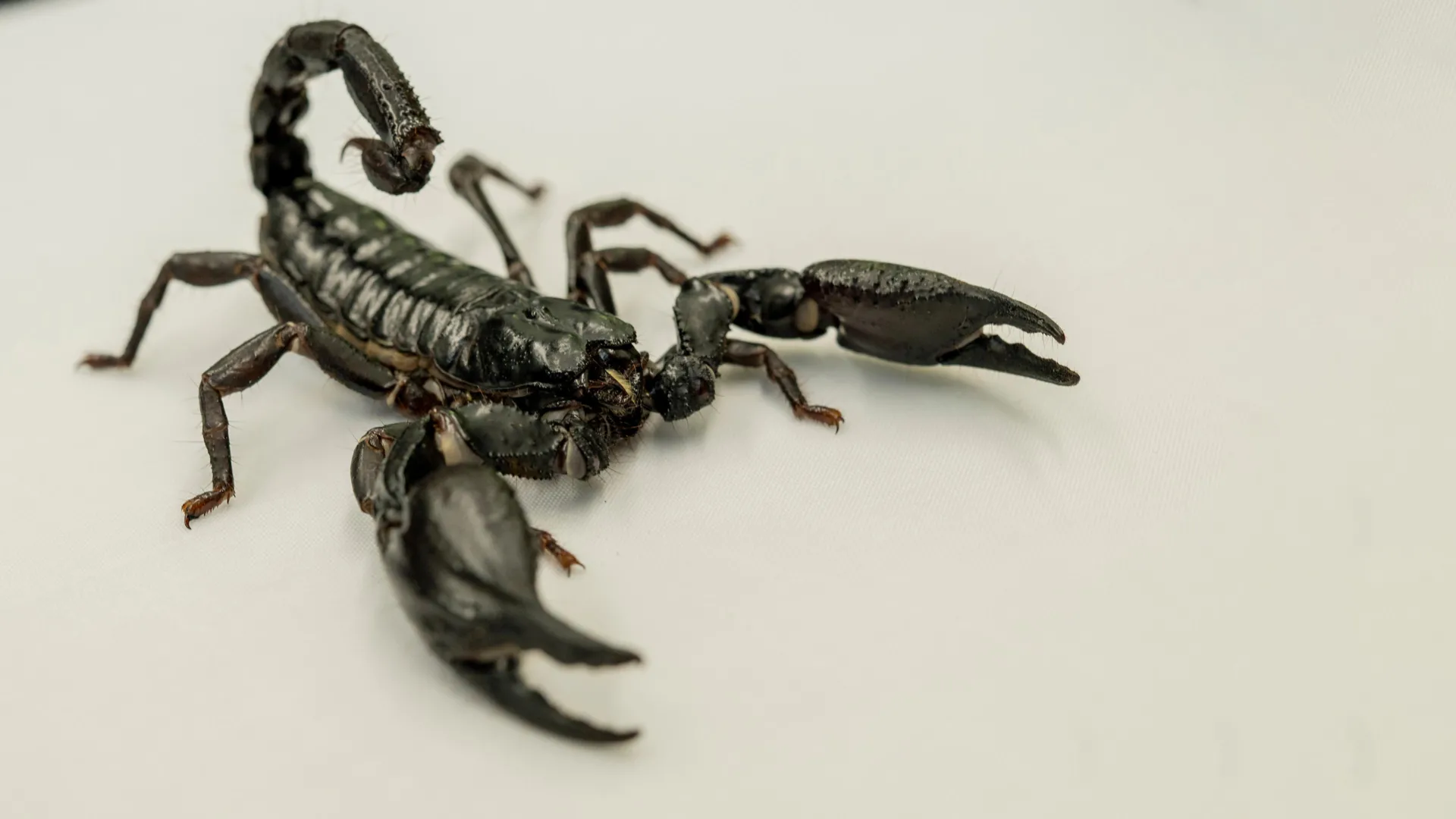
New Scorpion Hotspot Methodology: Researchers from the University of Galway and University Ibn Zohr have developed a method to identify and forecast hotspots for dangerous scorpion species by analyzing environmental factors, revealing areas at high risk for scorpion stings, particularly in tropical regions.
-
Soil and Temperature are Key: The study found that soil type primarily influences scorpion distribution, while temperature variations critically impact certain highly venomous species, underscoring the importance of specific environmental conditions.
-
Public Health Implications: Scorpion stings pose a serious health threat, causing over 2 million cases per year and more than 3,000 children fatalities. Enhanced identification of high-risk areas can inform prevention strategies and improve treatment responses.
-
Global Application and Cooperative Efforts: The approach can be applied globally, from Brazil to India, striving to enhance prevention, diagnostics, and treatment for scorpion stings through interdisciplinary collaboration across public health, ecology, and local communities.
Understanding Scorpion Hotspots
Recent research reveals critical insights into scorpion stings, an often-overlooked global health concern. Each year, over 2 million people experience scorpion stings, leading to severe illness and fatalities, especially among vulnerable populations. Studies indicate that scorpions thrive in specific environmental conditions, such as particular soil types and temperature ranges. By employing advanced ecological modeling techniques, scientists have pinpointed areas at high risk for scorpion encounters, especially in tropical regions like Morocco. This geographical mapping highlights how greatly environmental factors influence scorpion distributions, underscoring the need for targeted public health strategies.
Additionally, some scorpion species display flexibility in their habitats, while others are confined to precise environments. This variability creates concentrated zones where the danger of a sting increases. Understanding these patterns allows health authorities to educate communities, train medical professionals, and prepare effective prevention strategies that safeguard the most at-risk populations, particularly children. The impact of this research could significantly reduce scorpion-related health crises across the globe.
Practical Applications of Ecological Modeling
The use of Maximum Entropy mapping represents a groundbreaking approach to predicting scorpion habitats. By integrating data on soil composition and environmental conditions, researchers can project where dangerous scorpions are likely to inhabit, extending beyond Morocco’s borders. Such predictive capabilities are especially vital in regions lacking comprehensive ecological data. Armed with these insights, healthcare systems can develop targeted intervention programs that enhance medical preparedness and response.
Furthermore, collaboration between zoologists, public health specialists, and local communities proves essential for effective strategies. Researchers aim to bolster health policies with biodiversity data, creating a more informed approach to public health challenges. These efforts not only enhance awareness but also contribute to the evolution of antivenoms and diagnostic tools, ultimately aiming to save lives. Through innovative research and community-focused initiatives, we can better navigate the complexities of scorpion-related health issues, making meaningful strides in global public health.
Stay Ahead with the Latest Tech Trends
Stay informed on the revolutionary breakthroughs in Quantum Computing research.
Discover archived knowledge and digital history on the Internet Archive.
TechV1
