

Quick Takeaways
-
New Insights on Stimulant Action: Recent research indicates that ADHD medications like Adderall and Ritalin primarily stimulate brain regions linked to arousal and anticipation of rewards, rather than directly affecting attention control networks.
-
Key Brain Chemicals: The study highlights the role of norepinephrine and dopamine in enhancing alertness and creating a more positive perspective on tasks for children with ADHD, potentially making boring activities seem more interesting.
-
Growing Use and Research Need: Approximately 3.5 million children in the U.S. are on ADHD medication, emphasizing the importance of understanding how these drugs work and the necessity for accurate ADHD diagnosis and treatment targeting.
-
Potential for Diagnostic Advances: Brain scans might eventually help determine which children could benefit most from stimulant medications, a vital step in refining ADHD diagnosis and treatment in a landscape of increasing prescriptions.
ADHD Drugs: A New Perspective on Stimulants
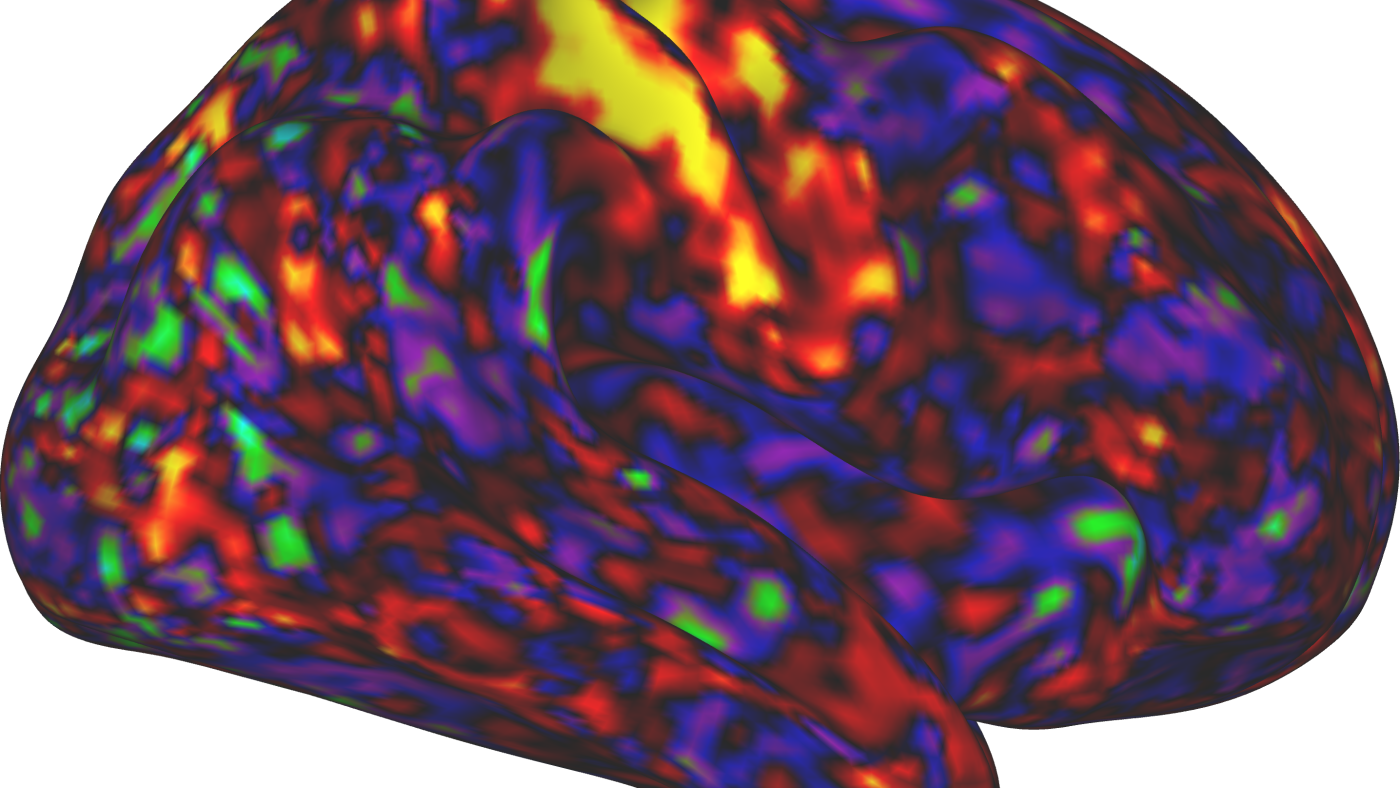
Recent research reveals that commonly prescribed ADHD drugs like Adderall and Ritalin may boost arousal more than attention, challenging long-held beliefs. Scientists examined thousands of brain scans from adolescents to gather this insight.
The findings, published in a major journal, indicate that these stimulant medications activate areas of the brain tied to alertness and the anticipation of pleasure. Experts argue this “one-two punch” effect significantly aids children with ADHD. Instead of primarily enhancing attention, the drugs heighten engagement and interest in tasks.
About 3.5 million children in the U.S. currently use ADHD medications, and that number continues to rise. Many rely on these treatments to navigate schoolwork and daily responsibilities. However, this study suggests medical professionals should assess factors like sleep deprivation more carefully before prescribing medications.
The research shows these stimulants increase levels of two critical brain chemicals: norepinephrine and dopamine. Norepinephrine prepares the brain for action, while dopamine enhances the pleasure derived from routine tasks. This boost can make homework seem less tedious and encourage persistence in challenging activities.
Experts emphasize that the findings do not diminish the effectiveness of these drugs. Rather, they encourage a shift in understanding how stimulants function in the brain, potentially guiding more personalized treatment approaches.
Furthermore, brain scans could eventually help identify which children are most likely to benefit from these medications. As the conversation surrounding ADHD continues to evolve, such innovations could lead to better diagnosis and treatment, ultimately improving the quality of life for many young people.
Expand Your Tech Knowledge
Explore the future of technology with our detailed insights on Artificial Intelligence.
Explore past and present digital transformations on the Internet Archive.
SciV1
