

Top Highlights
-
Holding Patterns Issues: Delays during transoceanic flights often result from trajectory prediction problems, causing planes to enter lengthy holding patterns due to altitude or path changes.
-
NASA and Boeing Collaboration: NASA partnered with Boeing to test a real-time data communication system that enhances trajectory information sharing between aircraft, air traffic control, and airline operations.
-
Oceanic Trajectory Prediction: NASA developed an oceanic trajectory prediction service that aims to reduce data-sharing gaps for more efficient global aircraft movement, particularly over long flights.
-
Enhanced Aviation Efficiency: The integration of NASA’s trajectory prediction expertise with industry partners aims to improve overall aviation efficiency, benefiting travelers and the aviation sector.
NASA Works with Boeing Toward More Efficient Global Flights
Imagine you’re nearing the end of a long flight, yet your plane starts circling the airport. This frustrating scenario often arises from trajectory prediction issues, causing delays. Changes to an aircraft’s altitude or path to avoid turbulence can throw arrival times off course.
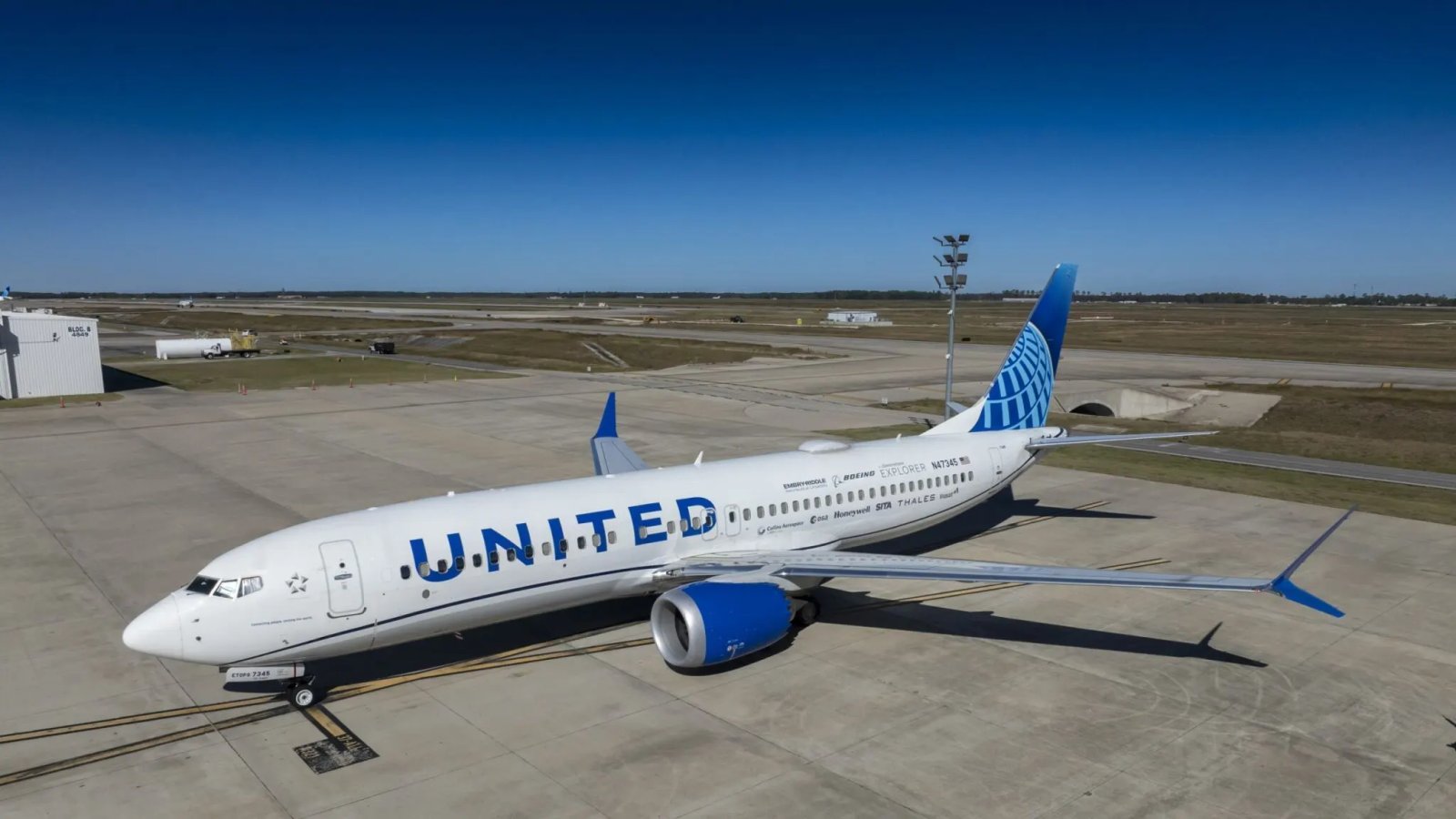
NASA aims to tackle this problem. Recently, the agency partnered with Boeing to test a cutting-edge system that enhances data sharing between aircraft and support systems. Boeing flew a United Airlines 737 for two weeks in October. These flights included routes from Houston to Edinburgh, Scotland, marking significant steps toward improved aviation information flow.
The testing took place under Boeing’s ecoDemonstrator Explorer program, designed to accelerate aviation innovations. Collaborators included NASA, the Federal Aviation Administration, and several aerospace firms, as well as academic researchers. Together, they focused on refining an oceanic trajectory prediction service, which ensures accurate and timely data updates over long flights.
“Our goal is to determine how frequently we need these updates,” said Shivanjli Sharma, the project manager for NASA’s Air Traffic Management–eXploration. “This information helps aircraft move more efficiently around the globe.”
As a result of these tests, Boeing and its partners plan to push this data communication system into operational use. NASA continues to refine its trajectory prediction efforts, ensuring that its research translates to real-world applications.
This collaboration influences global aviation efficiency, yielding tangible benefits for travelers. It represents a commitment to transforming air traffic management—improving both the flying experience and industry operations.
Ultimately, NASA’s partnership underscores the importance of innovation in aviation. Such advancements promise to make air travel smoother, reducing delays and enhancing overall quality of life for passengers worldwide.
Expand Your Tech Knowledge
Explore the future of technology with our detailed insights on Artificial Intelligence.
Explore past and present digital transformations on the Internet Archive.
SciV1
