

Top Highlights
-
Revolutionizing Psychiatric Understanding: Dr. Bruce M. Cohen is reshaping neuropsychiatric disorder treatments through research revealing cellular energy defects in brain cells linked to conditions like schizophrenia and bipolar disorder, advocating for targeted treatments over traditional methods.
-
Dimensional Diagnostic Model: Cohen challenges outdated, categorical diagnostic systems, proposing an evidence-based dimensional model that focuses on symptom profiles, enhancing diagnosis and treatment precision while minimizing stigma worldwide.
-
Impactful Leadership in Mental Health: As former President of McLean Hospital, Dr. Cohen emphasizes compassionate leadership and innovative programs that enhance patient care and research, illustrating how robust administration can lead to thriving healthcare institutions.
-
Future of Psychiatric Research: Looking ahead, Dr. Cohen emphasizes the importance of early intervention and innovation in psychiatric research, advocating for open access to scientific findings to foster global collaboration and accelerate the development of effective treatments.
Mitochondrial Mysteries Transform Treatment Paradigms
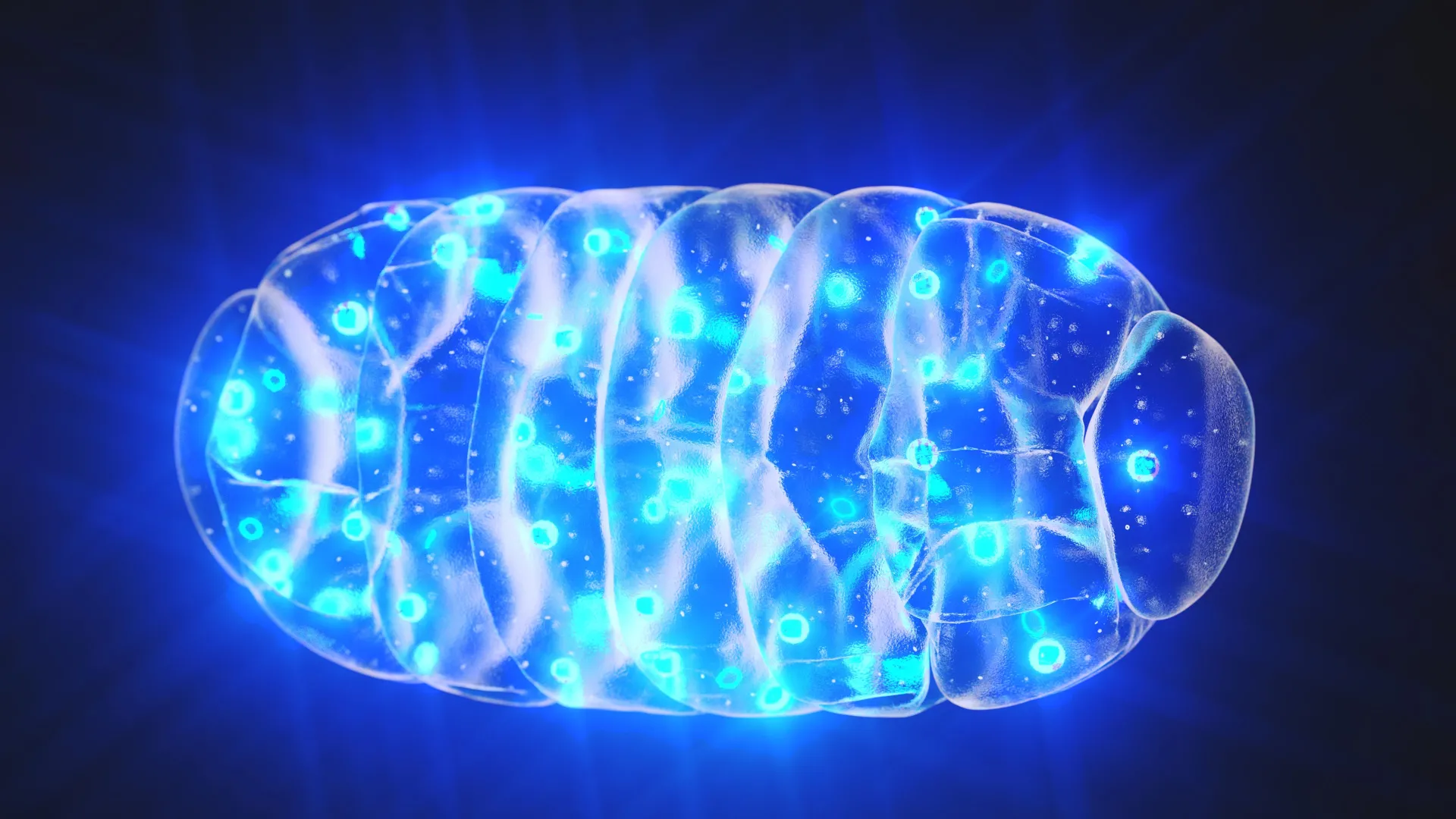
Recent research offers new hope for those suffering from mental illness. Scientists are uncovering that many psychiatric conditions stem from disruptions in how brain cells generate energy. This insight shifts our focus from the traditional neurotransmitter imbalance theories, which often oversimplify complex disorders. Dr. Cohen’s team has shown that specific metabolic defects in brain cells can manifest even before symptoms appear. These findings suggest that addressing energy production in the brain may prevent or alleviate mental health issues globally.
By integrating genomic analysis and advanced imaging techniques, researchers now have a more robust framework for understanding mental illness. This multidimensional approach allows for a deeper exploration of varied conditions, leading to potential targeted treatments that promise better outcomes. Such advancements could cater to diverse populations, reflecting unique cultural and regional needs rather than relying solely on Western diagnostic models. The shift towards energy metabolism as a diagnostic tool opens the door to more personalized and effective care.
Challenging Century-Old Diagnostic Models
Current diagnostic practices often place patients into rigid categories, but emerging evidence suggests a need for a more nuanced approach. Instead of terms like “schizophrenia,” adopting a dimensional framework could enhance understanding and reduce stigma. This model focuses on individual symptom profiles rather than outdated labels. By aligning with real clinical practices, this approach helps clinicians assess patients more accurately and develop tailored treatment plans.
These reforms can significantly impact regions where conventional diagnostics have fallen short. Focusing on observable symptoms allows for universal applicability while respecting local contexts. As more institutions adopt this flexible framework, we may witness a transformation in psychiatric care, with improved diagnostic precision and overall treatment effectiveness. This evolution in understanding reflects a broader commitment to innovation in mental health, promising a path toward healing grounded in scientific rigor and compassion.
Expand Your Tech Knowledge
Stay informed on the revolutionary breakthroughs in Quantum Computing research.
Discover archived knowledge and digital history on the Internet Archive.
TechV1
