

Summary Points
-
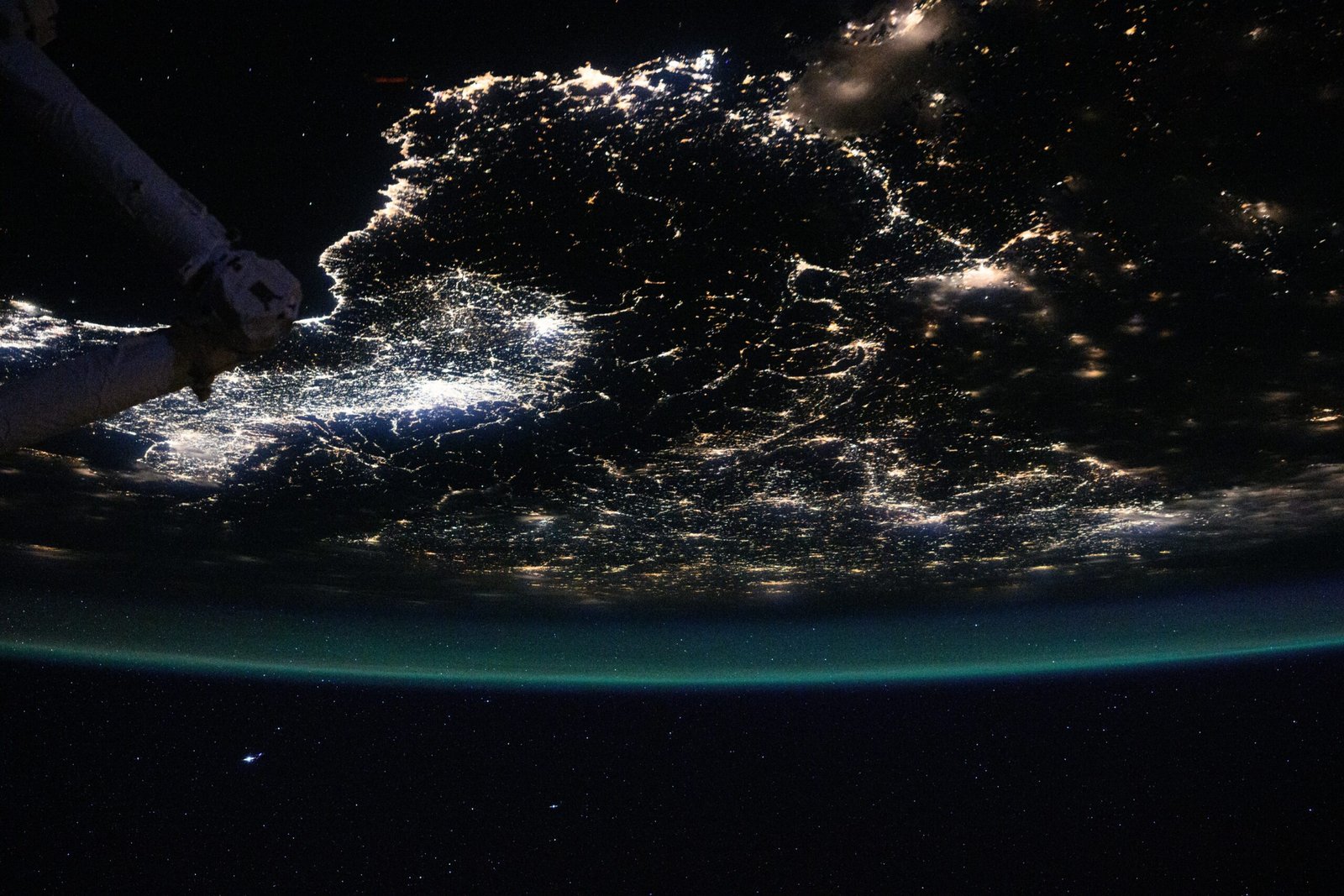
JAXA astronaut Kimiya Yui captured a stunning photo of southern Europe and the northwestern Mediterranean from the ISS on August 30, 2025.
-
The image highlights the Po Valley urban corridor, showcasing the metropolitan areas of Milan and Turin against a backdrop of Earth’s beauty.
-
Crew Earth Observations, conducted by ISS crew members, have produced hundreds of thousands of images documenting Earth’s changes over time.
-
These photographs aid scientists in monitoring natural disasters, assessing human impact, and studying diverse environmental phenomena.
City Lights and Atmospheric Glow Captured from Space
Astronaut Kimiya Yui recently provided a stunning view of southern Europe from the International Space Station. He took the photo on Aug. 30, 2025, while orbiting 261 miles above Earth. The image highlights the Po Valley urban corridor, particularly Milan and Turin. These metropolitan areas illuminate the landscape, showcasing human impact on the environment.
Such images aren’t just beautiful; they also serve a critical purpose. Scientists use the photographs to monitor changes on Earth caused by both human activity and natural events. For instance, urban expansion can be tracked alongside the effects of climate change.
Moreover, the data collected enables researchers to respond to disasters more effectively. This capability proves valuable in situations like wildfires or floods, where timely intervention can save lives. Additionally, studying urban wildlife offers insights into how animals adapt to changing environments.
This kind of observational technology fosters innovation in various fields. For example, satellite imagery has transformed urban planning. City officials can analyze growth patterns and plan infrastructure more efficiently.
As we continue to gaze at the stars, we also gain a clearer picture of life on Earth. These advances not only boost scientific understanding but also enhance quality of life. Urban lighting, which once only showcased human achievement, now also serves as a tool for science and progress.
Continue Your Tech Journey
Explore the future of technology with our detailed insights on Artificial Intelligence.
Stay inspired by the vast knowledge available on Wikipedia.
SciV1
