

Summary Points
-
Massive Leak: A broken sewer pipe has released 243 million gallons of wastewater into the Potomac River since January 19, leading to potential health risks and environmental concerns.
-
Repair Challenges: Repairs may take 4-6 weeks due to a significant blockage of large rocks, delaying full restoration and leaving the possibility of further overflows.
-
Environmental Impact: Despite early high spill rates, E. coli levels downstream have remained within EPA limits since February 1, but ongoing testing shows bacteria levels alarmingly above safe limits.
-
Public Health Warning: Clean water advocates are urging officials to issue a health warning, emphasizing that the Potomac River is currently unsafe for recreational activities.
Major Wastewater Leak Raises Concerns in Potomac River
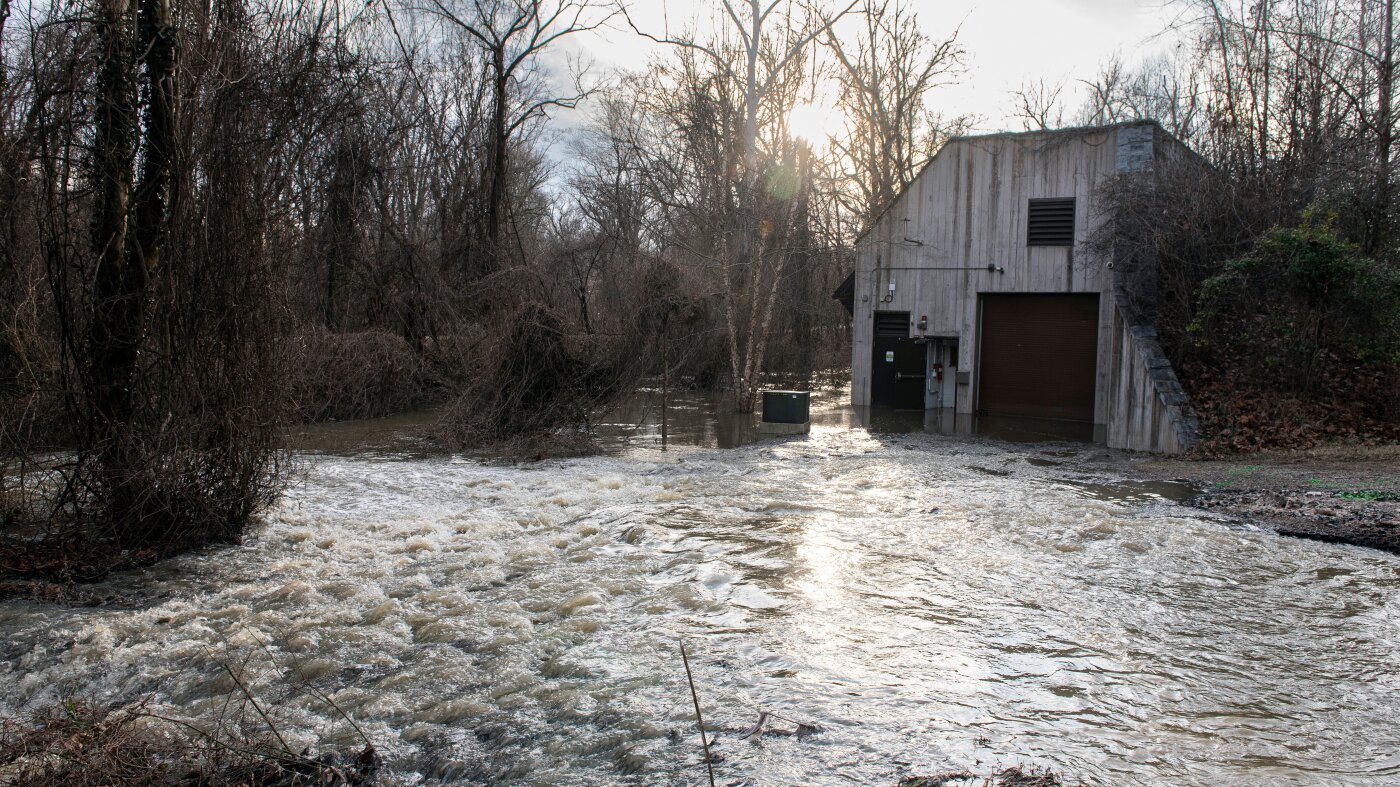
A significant leak has discharged 243 million gallons of wastewater into the Potomac River, raising alarms about public health and environmental safety. The incident began on January 19 when a sewer pipe ruptured near the Chesapeake and Ohio Canal.
Initially, officials thought the damage was manageable. However, upon investigation, they found a large rock dam obstructing the pipe. Removing this blockage will take four to six weeks, involving heavy machinery—some of which is arriving from as far away as Florida and Texas.
Thus far, the local authority, DC Water, has activated an interim system to reroute sewage around the damaged section. This effort limits the immediate overflow, but there remains a risk of limited wastewater discharge until full repairs are complete.
Officials measured the wastewater flow, estimating a peak discharge of 40 million gallons per day. This amount equates to about 2% of the river’s total flow during that period. Thankfully, since February 1, E. coli levels downstream have remained within the U.S. Environmental Protection Agency’s safety limits for recreational activities.
Nevertheless, clean water advocates urge public officials to warn the community about potential health risks. They cite recent water testing showing fecal bacteria levels drastically exceeding the safe limits set by Maryland and Virginia.
Overall, this incident highlights the need for investment in infrastructure. Advanced technology could prevent similar leaks in the future. Stronger systems can help improve monitoring and swiftly address issues before they escalate, ultimately protecting both the environment and public health. As communities continue to grapple with the impacts of such incidents, innovative solutions will play a vital role in enhancing the quality of life.
Stay Ahead with the Latest Tech Trends
Learn how the Internet of Things (IoT) is transforming everyday life.
Discover archived knowledge and digital history on the Internet Archive.
SciV1
