

Summary Points
-
New Class Announcement: NASA introduced its latest class of astronaut candidates on Sept. 22, 2025, with 10 individuals set to undergo nearly two years of rigorous training for missions to low Earth orbit, the Moon, and Mars.
-
Comprehensive Training: The candidates will engage in extensive training, including space health education, first aid, flight training on aviation platforms, and hands-on simulations in microgravity environments.
-
Preparation for Exploration: This astronaut class is being prepared for various missions, including contributing to research aboard the International Space Station and future Moon and Mars explorations, enhancing teamwork and problem-solving skills through diverse training exercises.
-
Ongoing Learning and Legacy: Graduating candidates will officially join NASA’s astronaut corps but will continue learning and growing, building on foundational skills while contributing to long-term human exploration legacies.
Astronaut Candidates Get to Work at Johnson Space Center
NASA announced its newest class of astronaut candidates on Sept. 22, 2025, at the agency’s Johnson Space Center in Houston. Following a welcome ceremony, 10 highly qualified individuals began their nearly two-year training to become flight-eligible for missions to low Earth orbit, the Moon, and Mars.
The training program is both comprehensive and rigorous. Candidates will delve into NASA’s history and vision, as well as learn how astronauts advance the agency’s mission. They will take classes on space health, understanding radiation exposure, microgravity effects on the body, space food, and nutrition. Additionally, they will practice first aid to ensure they can provide medical care for their crewmates.
In preparation for space missions, candidates will receive flight training. This training includes piloting the T-38 supersonic jet and other aviation platforms, enhancing their skills for future space endeavors. NASA’s ambitious plans for exploration could enable these astronauts to contribute to research aboard the International Space Station, which is nearing its 25th anniversary of continuous human presence in space.
As they train, the astronaut candidates will complete space station training alongside advanced preparation for deep-space missions. These exercises allow them to build relationships and problem-solve together, which prepares them for the challenges of spaceflight.
One astronaut described the bonding experience during training, emphasizing the intense nature of the program. These connections will serve them well as they face the unique challenges of their roles.
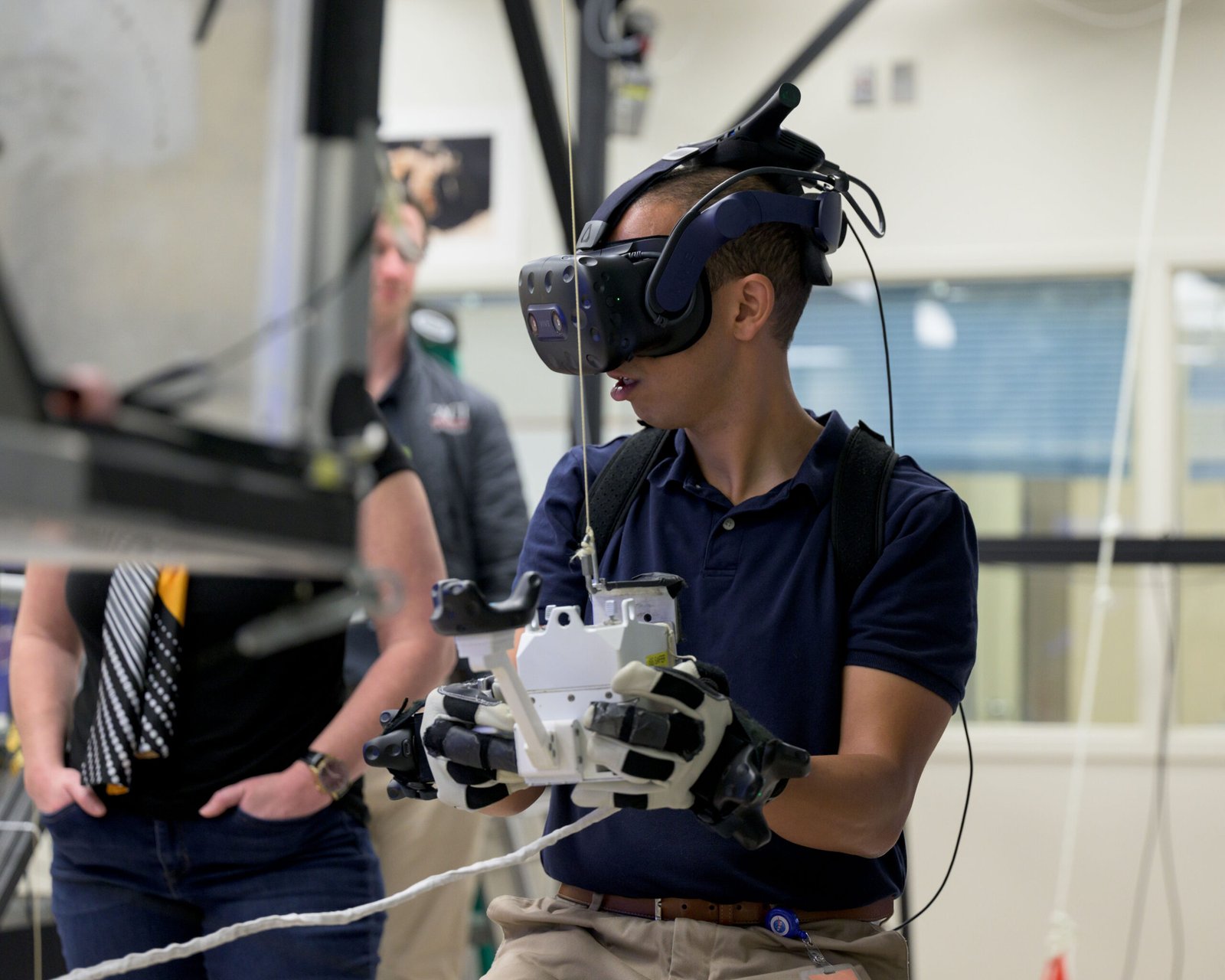
Foundation skills they learn during training apply to any destination in space. Candidates will conduct dives in the Neutral Buoyancy Laboratory, simulating spacewalks and performing maintenance tasks in microgravity. They will interact with mockups of space vehicles, where they will learn emergency procedures and contribute to future development programs.
Training in robotics is also crucial. Candidates will learn to use the Canadarm2 robotic arm and participate in land and water survival training. Overall, they will leverage state-of-the-art facilities and technology at Johnson Space Center to prepare for their missions.
Once they complete the training program, candidates will celebrate their achievements at a graduation ceremony, officially becoming flight-eligible members of NASA’s astronaut corps. They will assist in various roles at Johnson while waiting for future flight assignments.
Many astronauts note that the learning experience continues even after completing training. The foundational training sets the stage for ongoing development, allowing astronauts to improve continuously in a unique and enriching environment.
As they embark on this journey, these candidates will become part of a legacy of explorers, continuing the adventure of human exploration and paving the way for future technological advancements in space travel. Their commitment shapes not just their futures, but also the future of mankind’s exploration of the cosmos.
Stay Ahead with the Latest Tech Trends
Learn how the Internet of Things (IoT) is transforming everyday life.
Explore past and present digital transformations on the Internet Archive.
SciV1
