

Quick Takeaways
-
Early Passion for Science: Ernest Opoku, inspired by childhood curiosity and limited resources, created his own science curriculum in Ghana, ultimately leading to a PhD in quantum chemistry from Auburn University.
-
Innovative Research: At MIT’s Van Voorhis Group, Opoku aims to enhance computational methods for studying electron behavior, promoting accuracy in quantum simulations without relying on adjustable parameters.
-
Community Outreach: Opoku actively supports future scientists through mentorship, founding the Nesvard Institute of Molecular Sciences to empower African students in their academic and professional journeys.
-
Changing Narratives: Committed to recognizing and celebrating African contributions to science, Opoku emphasizes the importance of cultural identity and mentorship in shaping the next generation of innovators.
Quantum Modeling Fuels Breakthroughs in Materials Science and Sustainable Energy
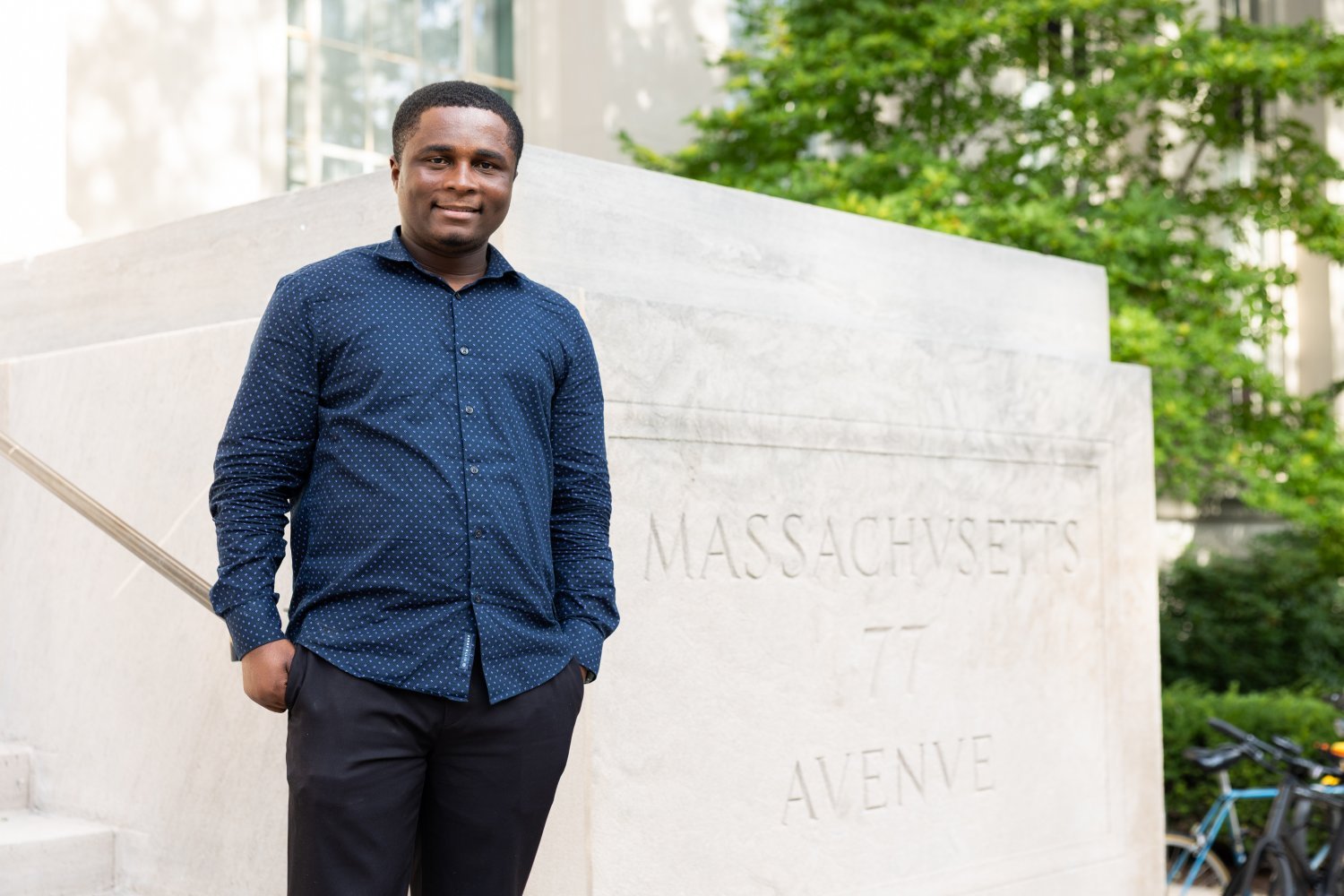
MIT recently announced exciting advancements in quantum modeling that promise to transform materials science and sustainable energy. Researchers, led by Ernest Opoku, aim to improve how electrons behave in molecular contexts. This fundamental research has significant implications for various industries.
Opoku, a PhD graduate in quantum chemistry, joins the Van Voorhis Group at MIT. His innovative approach eliminates empirical parameters from previous models. Consequently, his method provides more accurate predictions, aligning closely with laboratory results while consuming less computational power.
Furthermore, Opoku plans to refine electron propagator methods during his postdoctoral research. He intends to tackle complex molecules by integrating quantum computing and machine learning. This technique, known as bootstrap embedding, simplifies quantum calculations by breaking molecules into smaller fragments. The result? More efficient simulations that can lead to new discoveries.
Notably, Opoku’s work can advance the development of next-generation materials. For instance, understanding electrons’ behavior enhances the creation of more efficient solar cells and better battery technologies. Thus, Opoku’s research could have lasting impacts on clean energy solutions.
Beyond his scientific endeavors, Opoku emphasizes mentorship and community engagement. He founded the Nesvard Institute of Molecular Sciences to empower African students in their scientific pursuits. By providing resources and support, he aims to inspire the next generation of innovators.
With advancements in quantum modeling, the future of materials science and sustainable energy looks promising. Researchers like Opoku lead the way, blending curiosity with innovation to spark real-world applications.
Stay Ahead with the Latest Tech Trends
Stay informed on the revolutionary breakthroughs in Quantum Computing research.
Discover archived knowledge and digital history on the Internet Archive.
QuantumV1
