

Quick Takeaways
-
Test Delay: NASA ended the Artemis 2 rocket’s fueling test early due to hydrogen leaks, delaying the mission by at least a month from its original launch window in February.
-
Persistent Issues: The leaks occurred at the same location as during the Artemis 1 mission, raising concerns about recurring technical challenges with hydrogen connections.
-
Success Despite Setbacks: Despite troubleshooting hydrogen leaks, the Artemis 2 team successfully fueled both rocket stages and reached a critical countdown milestone during the rehearsal, gathering valuable data for future preparations.
-
Next Steps: NASA is now targeting a launch window in March, with assessments needed to address and mitigate the hydrogen leak issues at the launch pad.
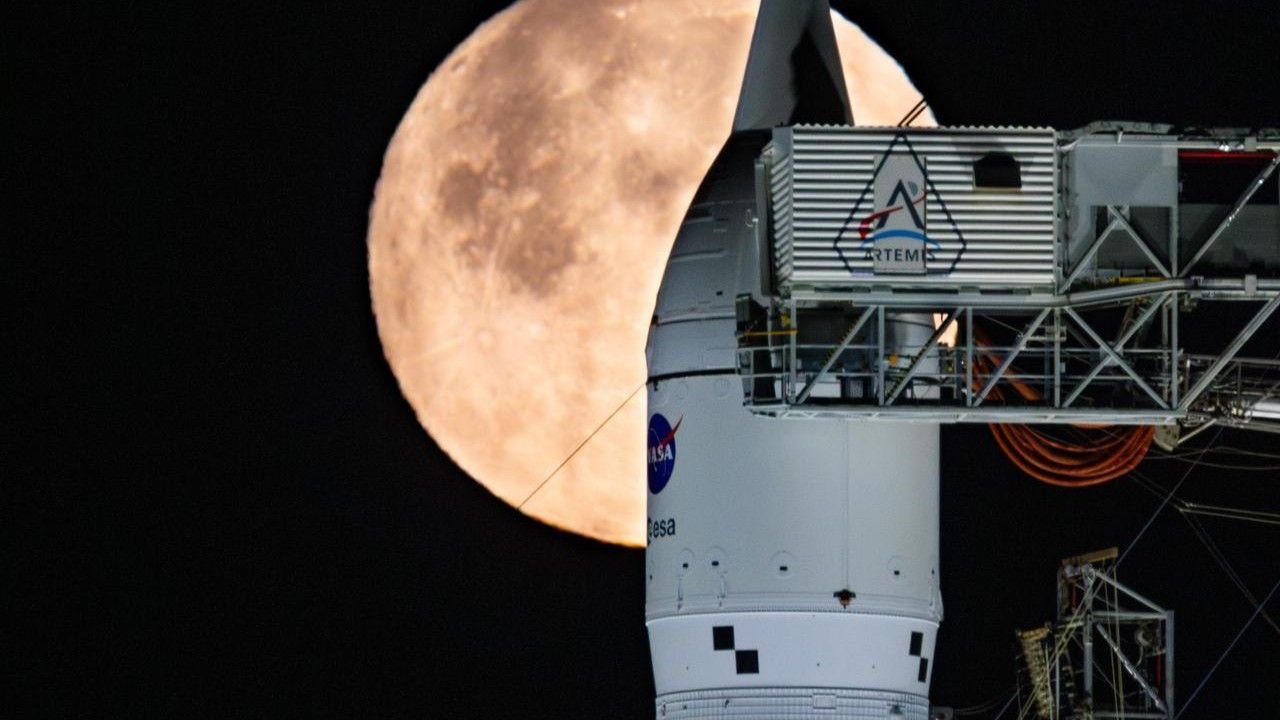
NASA’s Artemis 2 mission faced a setback this week when fuel leaks prompted an early end to a crucial test. The agency began a “wet dress rehearsal” on Saturday, simulating the countdown for the giant Space Launch System (SLS) rocket. Technicians aimed to fill the rocket’s tanks with over 700,000 gallons of fuel, but hydrogen leaks disrupted the process.
Similar issues arose during the Artemis 1 mission three years prior. Back then, leaks at the same location delayed the launch repeatedly, leading to three rollbacks to the Vehicle Assembly Building. Although Artemis 1 eventually launched successfully in November 2022, the recurrence of leaks raises questions about the SLS design.
Despite the hydrogen leaks, the recent test yielded valuable data and achieved its primary goal—successfully filling the rocket’s tanks. NASA officials reported that the hydrogen leak remained stable throughout much of the test. Although mission operators did not reach the final countdown, the achievement of tanking on the first attempt marked progress.
NASA assures that the engineering team can likely address these leaks on-site, avoiding the need to return the rocket for maintenance. This adaptability is crucial for future missions.
Officials suspect that the leaks may relate to the rocket’s unique components. As rockets roll out to launch pads, they experience various stresses. The vibration during transport could impact seals, thus contributing to leaks. Additionally, hydrogen, being a small and energetic molecule, poses challenges for containment.
NASA emphasizes the importance of these tests. They help identify problems before actual flight, increasing the likelihood of success on launch day. The Artemis team remains committed to refining its technology, learning from each challenge to improve future missions.
Looking ahead, the agency has shifted its launch window to March, aiming for a successful attempt as it prepares to send astronauts on their lunar journey. Each step taken now enhances understanding and improves reliability for future space exploration. ✨
Expand Your Tech Knowledge
Dive deeper into the world of Cryptocurrency and its impact on global finance.
Discover archived knowledge and digital history on the Internet Archive.
SciV1
