

Quick Takeaways
-
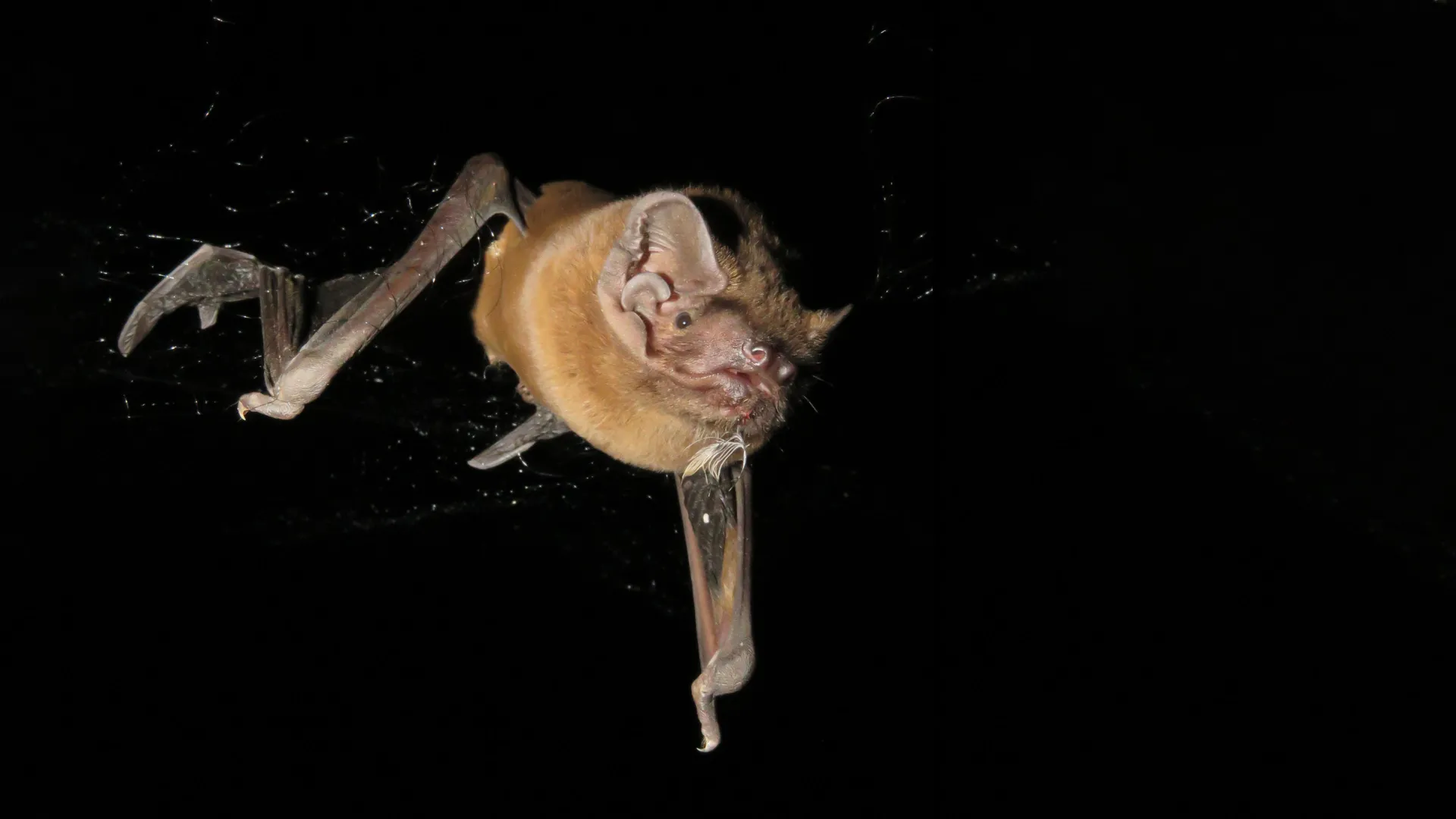
Breathtaking Discovery: After 25 years of research, scientists confirm that the greater noctule bat hunts and consumes small birds in flight at altitudes exceeding one kilometer, employing sophisticated nocturnal hunting tactics.
-
Innovative Research Techniques: Utilizing lightweight biologgers, researchers gained unprecedented insights into the bats’ hunting behaviors, revealing that their powerful echolocation allows them to detect and target birds efficiently in total darkness.
-
Aerial Chases: The study documented high-speed dives and sustained chases, showcasing the bats’ remarkable ability to engage in aerial combat with agile birds, demonstrating a predator-prey dynamic rarely observed in nature.
-
Conservation Importance: Recognizing the bats’ unique predation habits is crucial for their conservation, as the greater noctule is endangered, underscoring the need for dedicated efforts to protect their forest habitats.
The Bird-Eating Bat Mystery Unveiled
After nearly 25 years of investigation, scientists have illuminated a remarkable truth about Europe’s largest bat, the greater noctule. This bat does not simply snack on small birds; it hunts and captures them while flying over a kilometer high. This discovery, detailed in a recent study, reveals a world of night-time aerial chases and precise predation strategies, all happening in total darkness. Each year, billions of songbirds migrate at night, bravely navigating high altitudes to avoid predators. However, soaring in darkness comes with its own risks; bats reign supreme in the night skies, ready to pounce.
To decode this mystery, researchers fitted the greater noctule with tiny biologgers. These lightweight devices recorded their altitude, movements, and echolocation calls, providing a new perspective on their nocturnal hunting techniques. The results were astonishing. The bats used low-frequency echolocation calls to detect birds at great distances. While birds failed to hear these calls, they only realized danger in the final moments before capture. This adaptability marks a significant evolutionary advantage.
Insights into Bat Behavior and Conservation
The biologgers revealed more than just hunting prowess. They documented daring dives that mirrored fighter jets in action. In two recorded chases, bats accelerated dramatically as they engaged with their prey. While one bat abandoned its pursuit, another triumphed, capturing a robin mid-flight. Recordings captured the robin’s distress calls, followed by the bat consuming its meal while continuing to fly. This behavior highlights a complex interaction between predator and prey, challenging previous assumptions about the limitations of bat hunting.
Despite the impressive capabilities of the greater noctule, it faces grave threats. These bats remain rare and endangered due to habitat loss. Understanding their extraordinary hunting methods is vital for conservation efforts. The findings not only provide insight into a significant aspect of bat ecology but also emphasize the importance of protecting these unique mammals. As we uncover the mysteries of nature, we equip ourselves with the knowledge to better safeguard the delicate balance of our ecosystems.
Expand Your Tech Knowledge
Learn how the Internet of Things (IoT) is transforming everyday life.
Explore past and present digital transformations on the Internet Archive.
TechV1
