

Top Highlights
-
Market Opportunity: Revolut targets India’s $30 billion annual overseas spending, addressing the underserved cross-border payment sector while highlighting $600 million lost in bank fees.
-
Regulatory Milestones: With the acquisition of Arvog Forex and a PPI license from the Reserve Bank of India, Revolut plans to offer innovative financial services, including prepaid cards and UPI integration.
-
User Engagement Strategy: Emphasizing full KYC checks for onboarding, Revolut aims to attract serious users and differentiate itself by prioritizing customer experience over sheer download metrics.
-
Investment and Workforce: Revolut has invested $45 million in India and employs 3,500 locals, signaling a strong commitment to local operations amid competition from existing fintech players.
Revolut’s Disruption of Banking Norms
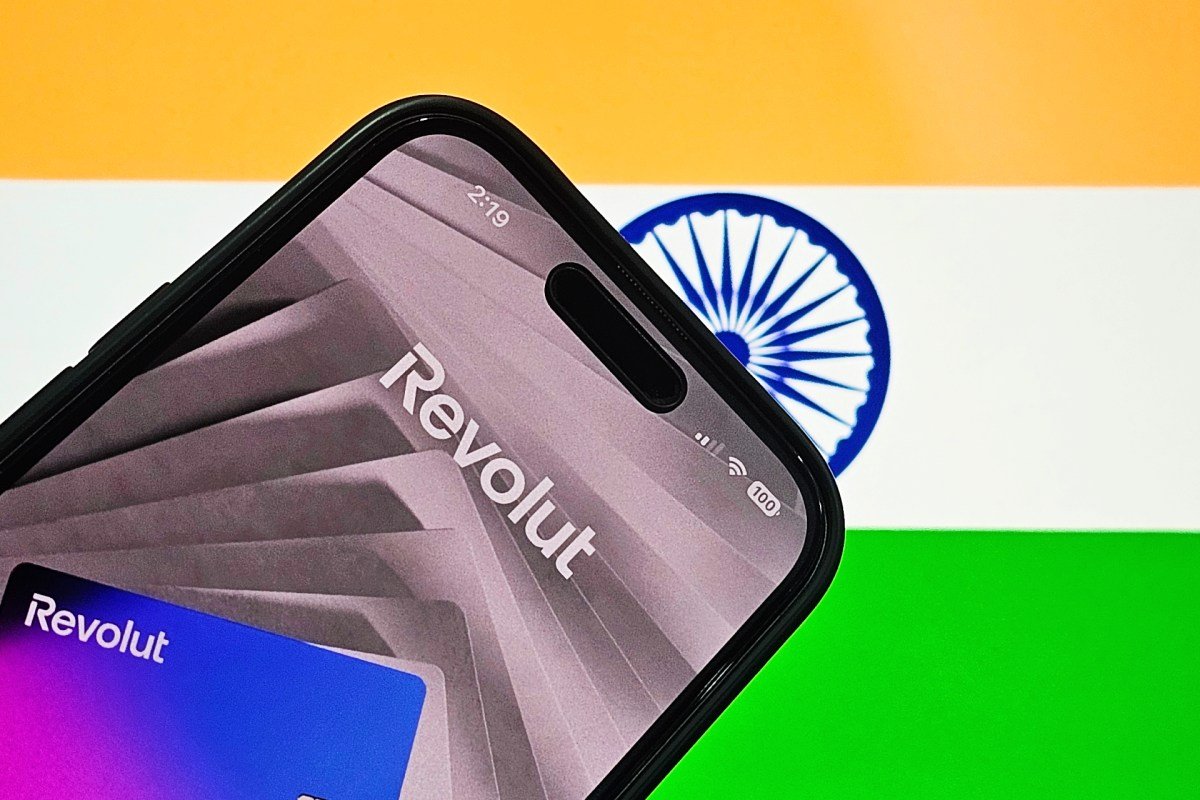
Revolut is stepping into the Indian market, seeking to transform cross-border payments. Research indicates that Indians waste nearly $600 million annually on forex fees imposed by traditional banks. Paroma Chatterjee, Revolut’s India CEO, describes these charges as “criminal.” This statement underscores a critical issue in India’s financial landscape. Many consumers suffer due to opaque banking practices and high costs. Revolut aims to provide transparency and access to financial services often dominated by established institutions.
By acquiring Arvog Forex and obtaining vital regulatory licenses, Revolut creates a competitive edge. It plans to offer innovative services like prepaid wallets, UPI support, and a variety of payment options. Uniquely, Revolut will implement full KYC checks. This ensures a more secure experience and targets users genuinely interested in its offerings. With ambitions to onboard 20 million users by 2030, Revolut clearly positions itself against not only traditional banks but also existing fintech competitors. The fight against excessive fees could resonate with millions of consumers eager for change.
Building a New Financial Ecosystem
Revolut’s approach embodies a shift toward empowering consumers in India. By integrating budgeting tools and analytics, it aims to enhance financial literacy among users. This focus on education complements its streamlined payment process, creating a holistic financial ecosystem. Moreover, the firm recognizes the significance of user engagement over mere numbers. Chatterjee notes that active users drive profitability, aiming for deeper connections rather than superficial growth.
Despite significant challenges, including competition from homegrown fintechs, Revolut appears ready to make an impact. It has already generated interest, evidenced by a waitlist of over 350,000 potential users. Its strategy highlights the potential for fintech innovations to revolutionize financial practices. As the company continues to invest in localizing its operations, it may well become a pivotal player in reshaping India’s financial future. The arrival of Revolut indicates a promising shift toward lower costs and enhanced consumer experiences in a market long dominated by high bank fees.
Stay Ahead with the Latest Tech Trends
Learn how the Internet of Things (IoT) is transforming everyday life.
Stay inspired by the vast knowledge available on Wikipedia.
TechV1
