

Essential Insights
-
Combination Efficacy: Researchers discovered that the combination of silybin and carvedilol significantly improves treatment outcomes for liver fibrosis, surpassing the effectiveness of either drug used alone.
-
Mechanism of Action: The drug duo works by effectively shutting down the Wnt/β-catenin signaling pathway, crucial for managing hepatic stellate cell activation and collagen production.
-
Promising Clinical Pathway: Both drugs are already approved for clinical use, suggesting rapid progression to clinical trials for addressing liver fibrosis, a condition lacking FDA-approved antifibrotic therapies.
-
Broader Implications: The study exemplifies the potential of phenotype-based drug screening to uncover effective drug combinations for various conditions, beyond just liver fibrosis.
A New Hope for Liver Fibrosis
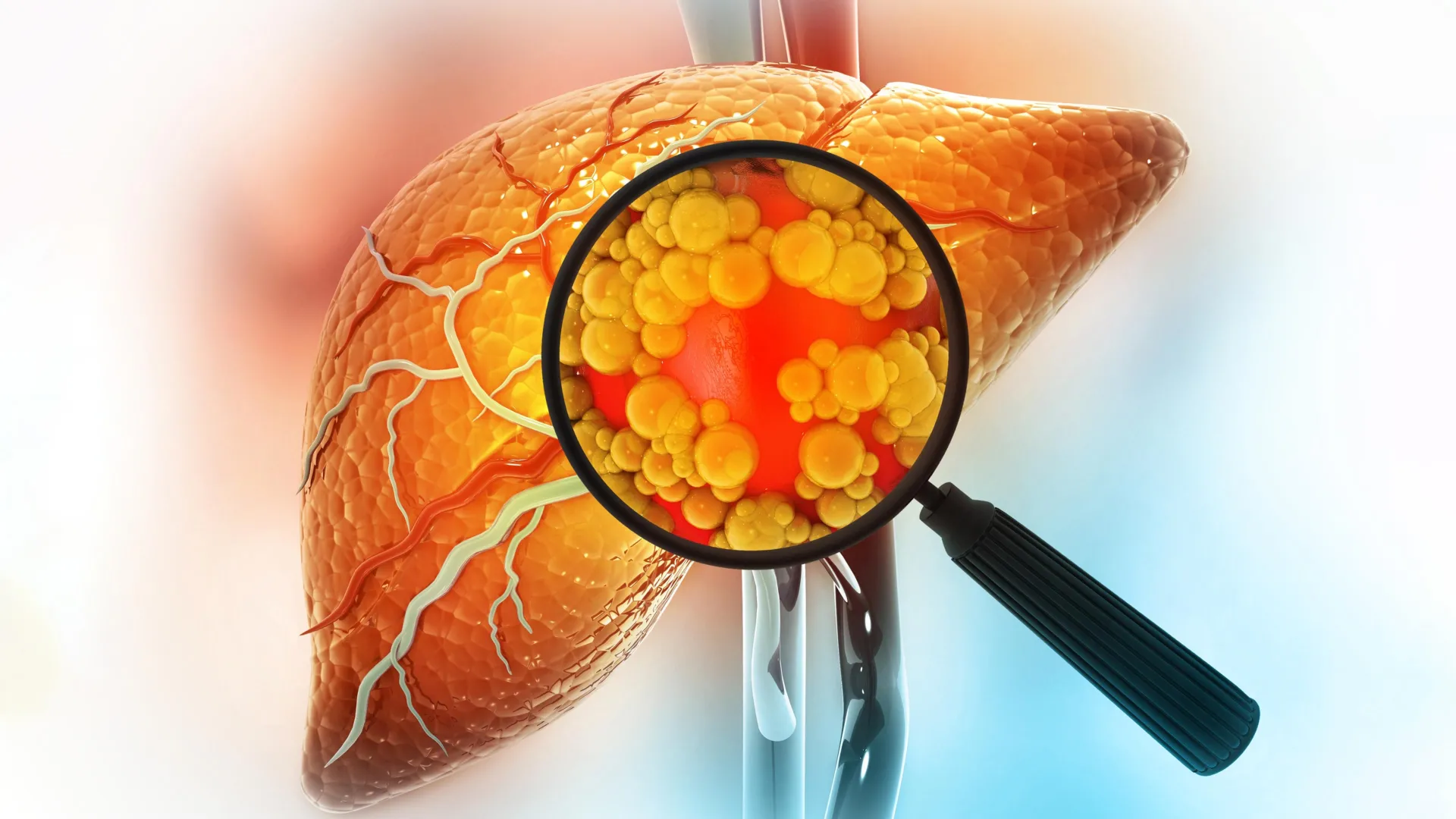
Researchers recently made a groundbreaking discovery: a combination of two existing drugs, silybin and carvedilol, significantly outperforms either drug alone in combating liver fibrosis. This condition, which affects hundreds of millions globally, often progresses to serious complications like cirrhosis or liver cancer. Despite decades of research, no antifibrotic drugs have gained approval for clinical use. The challenge lies in the complexity of liver fibrosis itself, which arises from an overactive healing response triggered by factors such as viral infections, alcohol abuse, and metabolic disorders.
The harmful transformation of liver cells into collagen-producing cells, driven primarily by hepatic stellate cell activation, underscores the disease’s complexity. Individual drugs targeting only one signaling pathway often fall short. However, the new study sheds light on how combining silybin and carvedilol effectively targets multiple pathways, especially the Wnt/β-catenin signaling. This multifaceted approach demonstrates promising potential in treating a disease that has long eluded effective therapy.
Bridging Science and Treatment
The path from laboratory to clinic looks promising due to the existing familiarity of these drugs. Both silybin and carvedilol have established safety profiles and are low-cost, which could facilitate rapid clinical testing. This drug pair’s ability to suppress collagen production and stellate cell activation creates a possible fast track for making impactful treatment options available.
Moreover, this research opens doors to innovative combinations of existing drugs. By utilizing phenotype-based screening, scientists can uncover effective partnerships that have not been previously explored. As we stand on the brink of potentially transformative therapies, this study signifies a crucial step toward addressing the urgent need for effective treatments for liver fibrosis and possibly beyond. The findings emphasize that, sometimes, the answer lies not in novel compounds but in the strategic pairing of familiar remedies. This approach not only may expedite medical innovation but also enriches our understanding of treatment possibilities for challenging health conditions.
Discover More Technology Insights
Dive deeper into the world of Cryptocurrency and its impact on global finance.
Discover archived knowledge and digital history on the Internet Archive.
TechV1
