

Fast Facts
-
Economic Viability of He-3: Several companies, including Interlune and Magna Petra, believe mining helium-3 (He-3) on the moon could be profitable, particularly for its applications in quantum computing, with potential prices reaching $20 million per kilogram.
-
Mapping Challenges: Identifying He-3 deposits on the moon is complex, with existing methods deemed ineffective. A focus on titanium-rich areas may be the more promising strategy for locating He-3.
-
Innovative Extraction Techniques: Interlune is developing advanced excavation machinery, while Magna Petra proposes a unique method that captures gaseous He-3 from disturbed lunar regolith, minimizing infrastructure requirements.
-
Collaborative Efforts: Future lunar missions will involve partnerships, such as Magna Petra with ispace, aiming to gather data and facilitate the eventual extraction and return of He-3 to Earth, reminiscent of historical resource booms.
Mining the Moon: Can Helium-3 Be a Profitable Venture?
Mining the moon for helium-3 (He-3) is gaining traction among some space companies. They see it as a lucrative opportunity. Helium-3 is a lightweight isotope found in the lunar dust, left by solar winds over billions of years. However, before rushing in, scientists debate its feasibility and potential economic benefits.
Helium-3 lies in the moon’s regolith. This layer of loose material holds small quantities of He-3, mixed in with minerals like ilmenite. Detecting it poses challenges. David Lawrence, a leading scientist, questions methods that use gamma rays to locate He-3. He asserts that this approach is unlikely to yield results. Instead, he suggests focusing on areas rich in titanium, as they may also contain more helium-3.
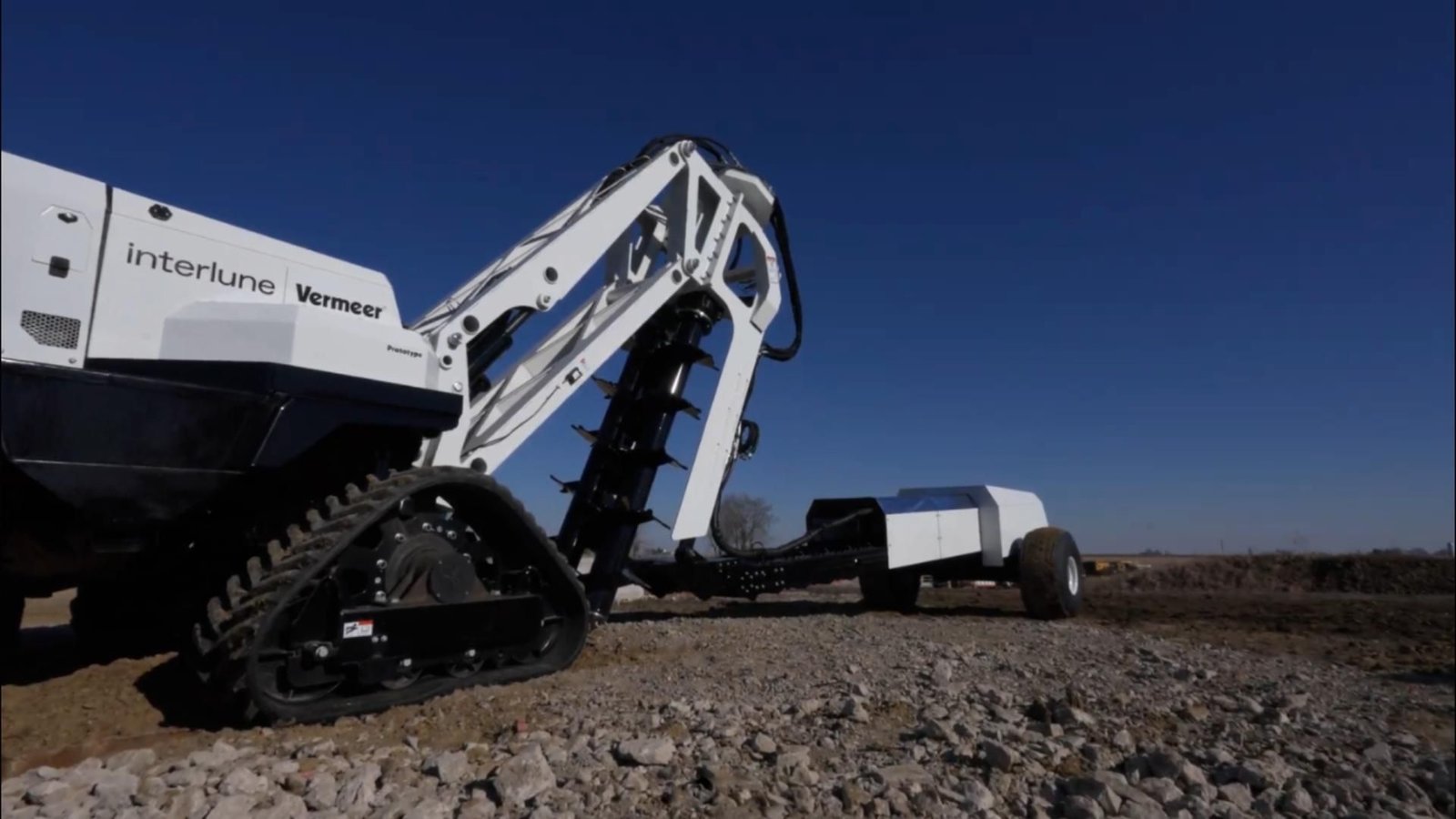
Several companies are pushing forward. Interlune, founded in 2020, utilizes expertise from former Blue Origin employees and aims to harvest lunar resources. They believe He-3 will be vital for applications like quantum computing. Their excavator can process 100 metric tons of lunar regolith every hour, targeting He-3, which could sell for $20 million a kilogram.
Another player, Magna Petra, offers a different approach. They plan to capture He-3 gas directly from the lunar surface. Using patented technology to disturb the regolith, Magna Petra hopes to release and collect these free-floating helium-3 atoms. Collaborations with companies like Japan’s ispace could streamline future missions, enhancing the search for He-3.
Beyond these companies, the potential of helium-3 raises important questions. Is it truly the key to a thriving space economy? Besides quantum computing, He-3 could play roles in national security and medical imaging.
The desire to exploit lunar resources mirrors historical ventures like the U.S. purchase of Alaska. At the time, many viewed it skeptically, yet it eventually revealed vast resources. As interest in the moon grows, we may yet uncover its hidden treasures, transforming both technology and our connection to space.
The next few years will prove crucial in determining whether helium-3 becomes a viable resource. Companies are actively exploring lunar landscapes, pushing the boundaries of technology, and redefining our relationship with the cosmos. We might be on the brink of a new era, one where the moon isn’t just a distant object but a source of immense value.
Stay Ahead with the Latest Tech Trends
Stay informed on the revolutionary breakthroughs in Quantum Computing research.
Explore past and present digital transformations on the Internet Archive.
SciV1
