
Close Menu
    Facebook X (Twitter) Instagram
    Saturday, March 14
    Top Stories:
    • ZTE’s Computing Revenue Soars 150% Amid AI Boom, Profits Drop 33%
    • AI & Smartphones Stalled: Middle East Crisis Shakes MWC 2026
    • Revolutionary Bacterial Kill Switch Could Transform Superbug Warfare
    Facebook X (Twitter) Instagram Pinterest Vimeo
    IO Tribune
    • Home
    • AI
    • Tech
      • Gadgets
      • Fashion Tech
    • Crypto
    • Smart Cities
      • IOT
    • Science
      • Space
      • Quantum
    • OPED
    IO Tribune
    Home » Satellite Glow: A New Challenge for Space Observations
    Space

    Satellite Glow: A New Challenge for Space Observations

    Staff ReporterBy Staff ReporterDecember 8, 2025No Comments3 Mins Read
    Share Facebook Twitter Pinterest LinkedIn Tumblr Reddit Telegram Email
    Share
    Facebook Twitter LinkedIn Pinterest Email

    Fast Facts

    1. Significant Impact on Astronomy: A NASA-led study warns that reflections from an increasing number of satellites could compromise over 95% of images from space telescopes like Hubble in the next decade, resulting in streaks from satellite trails.

    2. Rapid Satellite Growth: More satellites have been launched in the last four years than in the previous 70 years combined, with over 10,000 active satellites currently in orbit, primarily from SpaceX’s Starlink network.

    3. Contamination Predictions: Researchers predict that at least one in three images taken by Hubble could show light streaks, while new telescopes like SPHEREx and ARRAKIHS could see up to 96% of their images affected.

    4. Call for Regulation: Organizations like the American Astronomical Society and the International Telecommunication Union emphasize the urgent need for stricter global regulations to mitigate the impact of satellite constellations on astronomical observations and space sustainability.

    Light from Satellites Could Disrupt Space Telescope Images

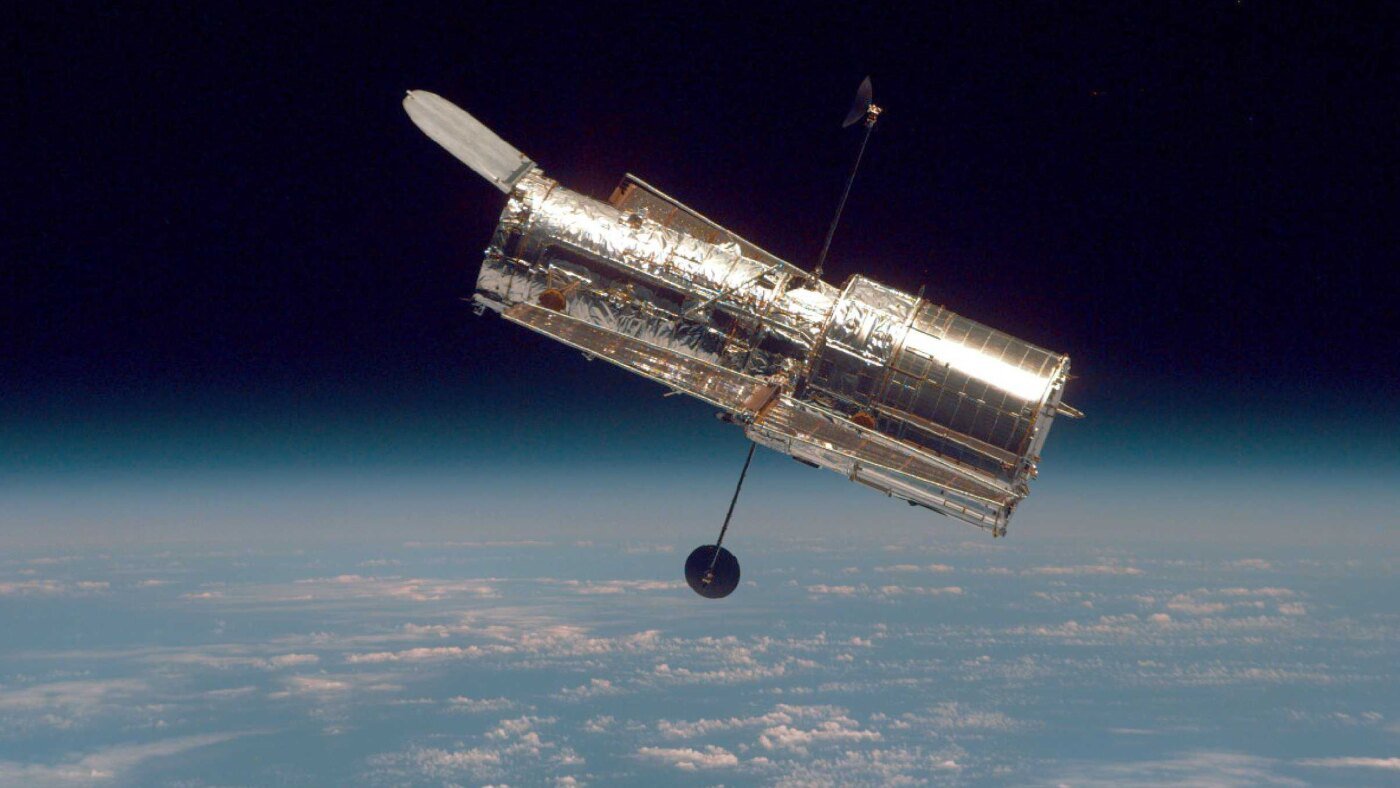
    A recent study reveals that the reflections from an increasing number of satellites in orbit might spoil over 95% of images taken by space telescopes in the next decade. Researchers indicated that this phenomenon, known as satellite trails, is already visible in some images from the Hubble Space Telescope.

    As satellite launches accelerate, the problem worsens. Over the past four years, more satellites have entered orbit than in the previous 70 years combined. Currently, more than 10,000 active satellites orbit Earth, with many owned by a single company. Experts predict an explosion of satellite traffic, jeopardizing the integrity of astronomical images.

    These streaks become particularly problematic during rare cosmic events. For instance, if astronomers aim to capture a supernova, a satellite crossing the field of view could erase crucial data. The situation, driven by the addition of more satellites, will likely cause at least one in three Hubble images to showcase these light streaks. Meanwhile, new telescopes like SPHEREx and others may have an even more staggering 96% of their images affected.

    Astronomers and organizations like the American Astronomical Society have raised concerns about possible collisions and glares from these satellites. They urge collaborative efforts with satellite companies to find solutions.

    Some companies already acknowledge these issues. They are testing new technologies and strategies to minimize light interference, such as darker coatings and sun-blocking visors. Experts emphasize that improving space traffic management is vital for the sustainability of both technology development and astronomical research.

    Efforts are underway to shape international guidelines that will govern future satellite launches. Balancing the commercial interests of satellite operators with the scientific needs of astronomers will be crucial moving forward. With proactive measures and cooperation, the scientific community hopes to mitigate the challenges posed by our increasingly crowded skies.

    Stay Ahead with the Latest Tech Trends

    Explore the future of technology with our detailed insights on Artificial Intelligence.

    Access comprehensive resources on technology by visiting Wikipedia.

    SciV1

    Cosmos NASA Space VT1
    Share. Facebook Twitter Pinterest LinkedIn Tumblr Email
    Previous ArticleEuropean Users to Experience Fewer Personal Ads on Facebook and Instagram
    Next Article Cheers to One Year: Celebrating The Verge Subscription!
    Avatar photo
    Staff Reporter
    • Website

    John Marcelli is a staff writer for IO Tribune, with a passion for exploring and writing about the ever-evolving world of technology. From emerging trends to in-depth reviews of the latest gadgets, John stays at the forefront of innovation, delivering engaging content that informs and inspires readers. When he's not writing, he enjoys experimenting with new tech tools and diving into the digital landscape.

    Related Posts

    IOT

    Top Family Phone Plans to Watch in 2026

    March 8, 2026
    Science

    Creating Your Digital Twin: Revolutionizing Personalized Surgery

    March 8, 2026
    Crypto

    CryptoQuant Declares the Most Transparent Reserve Exchange

    March 8, 2026
    Add A Comment

    Comments are closed.

    Must Read

    Top Family Phone Plans to Watch in 2026

    March 8, 2026

    Creating Your Digital Twin: Revolutionizing Personalized Surgery

    March 8, 2026

    CryptoQuant Declares the Most Transparent Reserve Exchange

    March 8, 2026

    First-Ever Half-Möbius Molecule Unveiled

    March 8, 2026

    Behind the Black Box: How AI Explains Itself

    March 8, 2026
    Categories
    • AI
    • Crypto
    • Fashion Tech
    • Gadgets
    • IOT
    • OPED
    • Quantum
    • Science
    • Smart Cities
    • Space
    • Tech
    • Technology
    Most Popular

    Ripple’s Price Soars Despite Whales Selling XRP!

    October 25, 2025

    Exploring New Frontiers: Crew-11’s Mission to the Stars!

    January 17, 2026

    Exploring Edible Frontiers: Space-Fermented Food Revolution

    March 14, 2025
    Our Picks

    Alibaba’s Amap Rides China’s Car Boom, Challenging Google Maps

    November 5, 2025

    Octopus Day: Unveiling Nature’s Genius

    October 8, 2025

    CRISPR Revolution: Transforming Wild Fruit

    January 11, 2026
    Categories
    • AI
    • Crypto
    • Fashion Tech
    • Gadgets
    • IOT
    • OPED
    • Quantum
    • Science
    • Smart Cities
    • Space
    • Tech
    • Technology
    • Privacy Policy
    • Disclaimer
    • Terms and Conditions
    • About Us
    • Contact us
    Copyright © 2025 Iotribune.comAll Rights Reserved.

    Type above and press Enter to search. Press Esc to cancel.