

Top Highlights
-
Personal Struggle with Health: The author reflects on their journey through a difficult period in 2017, where stress and mental health issues led to physical health challenges, including a significant weight loss due to an inability to eat.
-
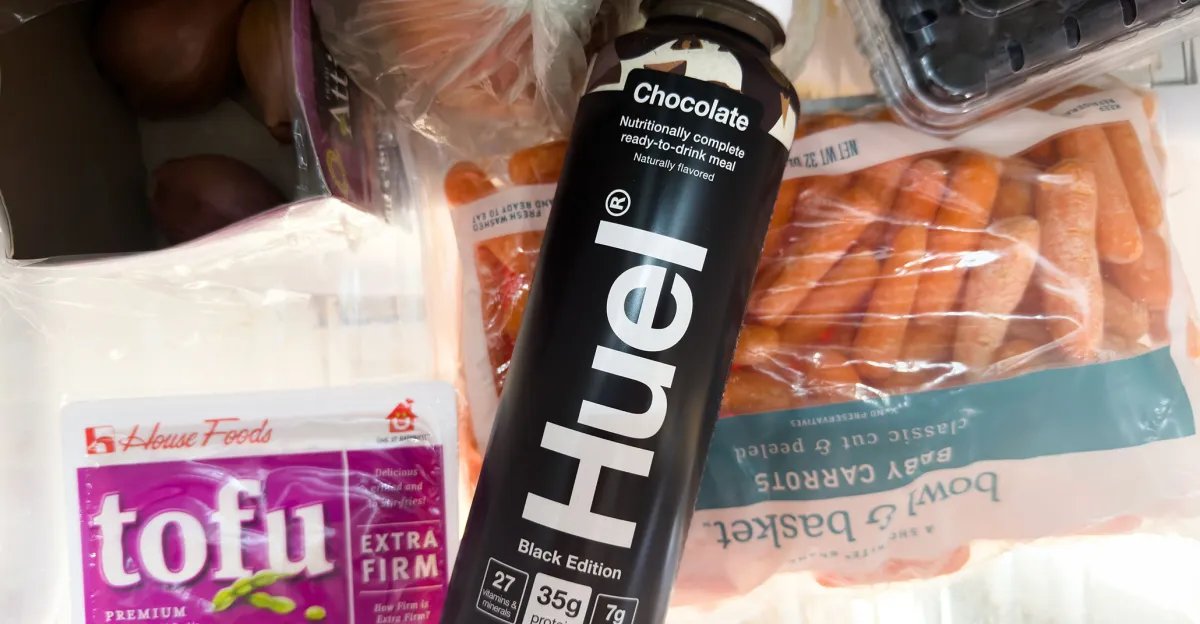
Huel’s Marketing and Claims: Analyzing Huel, a wellness brand offering meal replacements, the article critiques its marketing tactics, including celebrity endorsements and terms like “nutritionally complete,” while questioning the effectiveness of their products compared to whole foods.
-
Skepticism Towards Meal Replacements: The piece highlights potential problems with meal replacements, such as poor nutrient absorption, and warns that Huel’s marketing may mislead consumers regarding actual health benefits.
-
Cautionary Take on Convenience Foods: The author advises viewing Huel as a temporary solution rather than a regular substitute for wholesome meals, emphasizing that relying on meal replacements can lead to health issues rather than being a sustainable or healthy lifestyle choice.
The Promise of Convenience
Huel markets itself as a solution to the hassle of traditional meals. With catchy phrases like “nutritionally complete” and “ready to drink,” it targets busy individuals seeking efficiency. Transitioning from full meals to meal replacements can seem attractive. After all, who wouldn’t want to save time while trying to maintain a healthy lifestyle?
Yet, the practicality of relying on such products raises questions. Huel’s advertisements imply that consuming their products guarantees optimal health. However, real life tells a different story. Whole foods offer textures and flavors that simply can’t be matched by a bottle. Cooking can be therapeutic and helps build community around shared meals. Huel, while convenient, risks contributing to a culture that undervalues these experiences. It suggests that eating can become a burden, a notion that deserves scrutiny.
The Limitations of Meal Replacement
Despite its claims, Huel is not a one-size-fits-all solution. Nutrition science emphasizes the importance of whole foods. Simply put, our bodies absorb nutrients better from natural sources. The lack of regulation around meal replacements also raises concerns about quality and safety. For instance, while Huel may contain fiber, the types of fiber it uses could impact gastrointestinal health differently.
Additionally, studies indicate that relying solely on meal replacements can lead to nutrient gaps. So while Huel may offer convenience during stressful times, it should not substitute a varied diet. For those undergoing medical treatments, these drinks have clear benefits. Still, for the average person, they shine a light on the complex relationship we have with food. It’s essential to view Huel not as a permanent solution, but as a temporary aid during tougher times. Understanding the balance between convenience and nutritional integrity will be crucial as we navigate our evolving relationship with food.
Continue Your Tech Journey
Stay informed on the revolutionary breakthroughs in Quantum Computing research.
Discover archived knowledge and digital history on the Internet Archive.
TechV1
