

Top Highlights
-
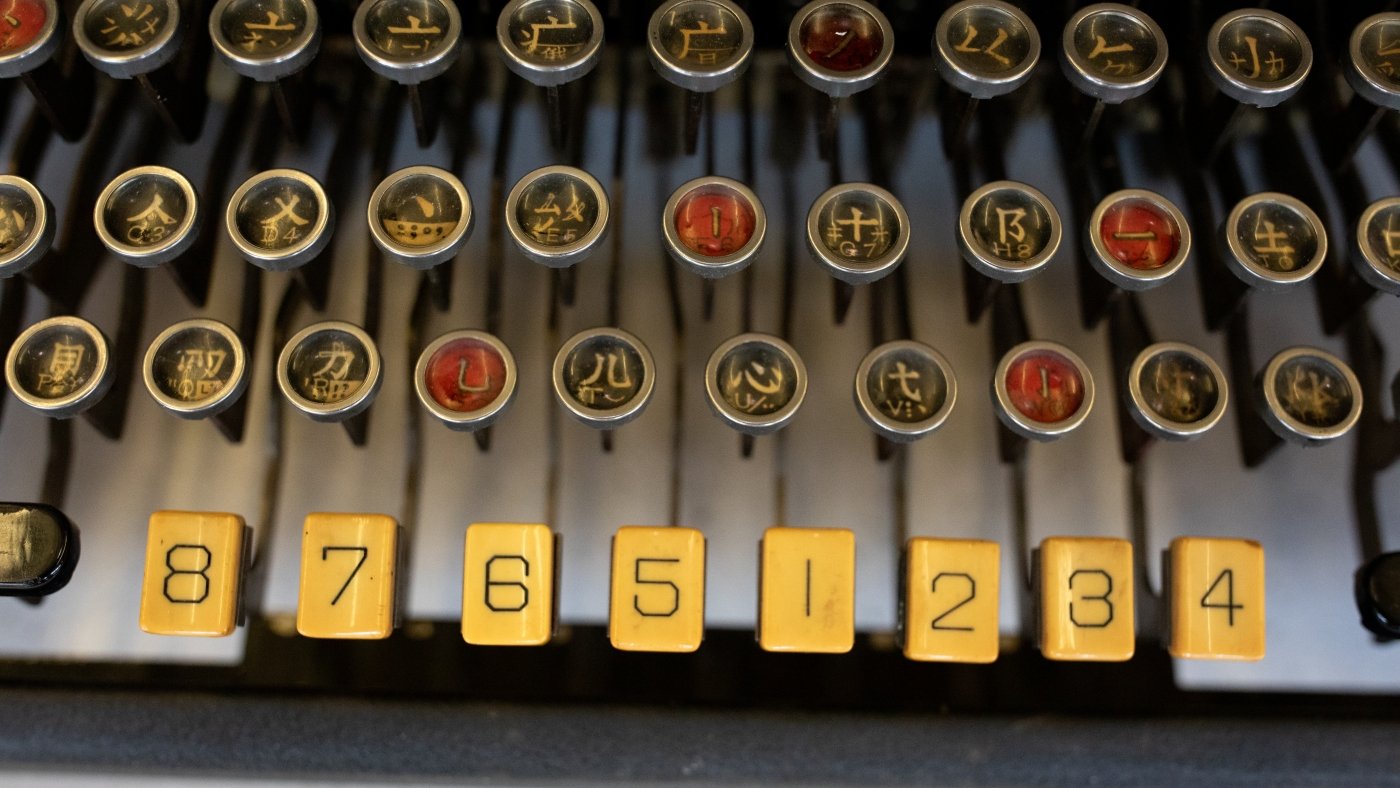
Rediscovery of the MingKwai Typewriter: Scholars recently found the only existing prototype of the MingKwai typewriter, innovated by Lin Yutang, crucial for integrating Chinese characters into modern computing.
-
Significance in Chinese Computing: The typewriter represents a pivotal development in Chinese technology, reflecting Lin’s goal to preserve Chinese culture while embracing modernity amid 20th-century political turmoil.
-
Typewriter’s Innovative Design: Lin’s design allowed typists to input Chinese characters based on shape rather than sound, enabling up to 90,000 character combinations through an ergonomic keyboard and a ‘magic eye’ display.
- Cultural and Linguistic Globalism: The MingKwai typewriter embodies Lin’s vision for a multicultural China, advocating for the coexistence of Chinese language and Western technology while bridging various languages and identities.
The Significance of the MingKwai Typewriter
Recent discussions among scholars have focused on the discovery of the MingKwai typewriter. This machine plays a pivotal role in the history of Chinese computing. Lin Yutang, its inventor, created this prototype amidst a tumultuous period in China’s history. Scholars believe that without innovations like the MingKwai, modern Chinese computing might not have progressed as rapidly. Lin’s design uniquely addressed the challenge of typing in a language composed of pictographs rather than an alphabet. This breakthrough allowed Chinese speakers to engage with modern technology. Transitioning from tradition to innovation, Lin’s work reflects a merger of both Eastern and Western influences. The MingKwai’s key mechanism enables users to find and select from thousands of characters, underscoring its innovative spirit.
Furthermore, the re-emergence of this typewriter generates new conversations about language politics in China. Early 20th-century debates proposed replacing complex Chinese characters with a Roman alphabet. Yet, Lin contrived an elegant solution that preserved Chinese identity. His vision championed the authenticity of cultural heritage while embracing technological advancement. By recovering the MingKwai, we revisit Lin’s aspirations for an inclusive digital future. Modern computing owes much to his foresight, demonstrating how cultural resilience and technological progress can coexist.
The Broader Implications for Modern Technology
The MingKwai typewriter offers valuable insights into the evolution of multilingual computing. Lin’s original design, based on shape recognition rather than phonetics, opens doors to universal application. In theory, his system can accommodate various languages. This notion fosters a globalist approach where cultures can blend rather than clash. As society becomes increasingly interconnected, technology must reflect these complex identities.
Moreover, the recent restoration of the MingKwai at Stanford University highlights its ongoing relevance. Scholars can now study its mechanics, inspiring future innovations in language processing software and hardware. Understanding how Lin’s typewriter works may lay the groundwork for more inclusive and adaptive technologies. Such advancements could ultimately enable speakers of diverse languages to interact effortlessly in digital spaces.
In summary, the story of the MingKwai is a reminder of the important role technology plays in shaping cultural narratives. By honoring Lin Yutang’s contributions, we acknowledge the intertwined journeys of culture and technology, encouraging a more accessible future for all.
Expand Your Tech Knowledge
Stay informed on the revolutionary breakthroughs in Quantum Computing research.
Access comprehensive resources on technology by visiting Wikipedia.
TechV1
