

Summary Points
-
Capacity Discrepancy: Despite advertised 10,000mAh power banks, real effective capacity is only about 5,000mAh due to voltage conversion and efficiency losses, leading to underwhelming charging capabilities for Pixel 10 series phones.
-
Charging Efficiency: Wireless charging (Qi2) exhibits lower efficiency (around 25%) compared to USB-C (85-90%), resulting in even less battery remaining after use, which can often leave power banks nearly depleted after just one full charge of the phone.
-
Real-World Performance: Testing revealed that a 10,000mAh power bank often charges a Pixel 10 series phone only once or leaves it just shy of full charge, countering the assumption of double charging capacity.
-
Purchasing Advice: When choosing a power bank, recognize that advertised capacity should be halved for realistic expectations, and consider whether you need the convenience of wireless charging versus the efficiency of USB-C.
10,000mAh Qi2 Power Banks Fall Short for Pixel 10 Users
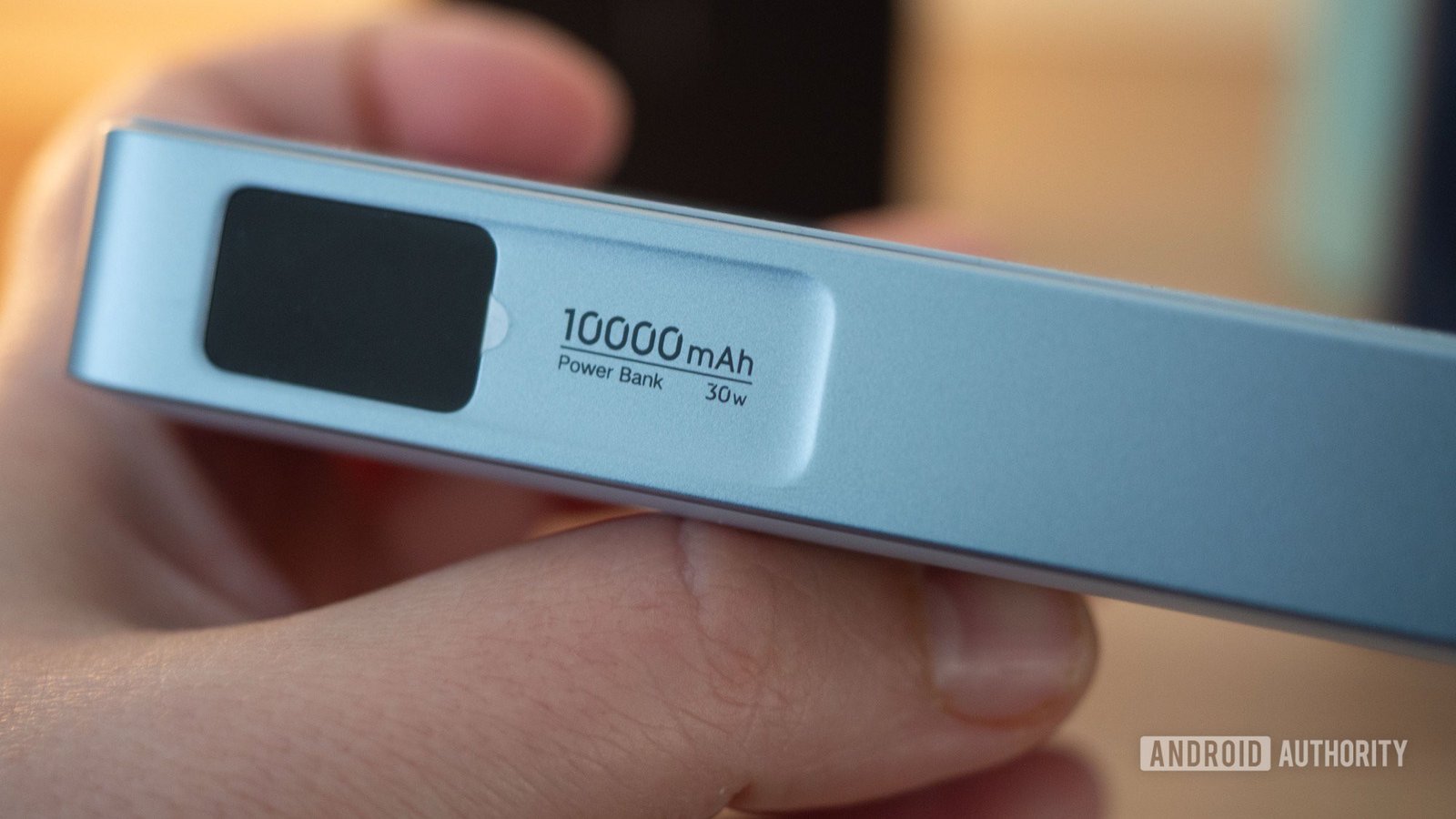
The convenience of a 10,000mAh Qi2 power bank sounds appealing. After all, who wouldn’t want to charge their Pixel 10 series phones wirelessly? However, recent tests reveal a reality check: these power banks typically charge the Pixel 10 only once.
Leading brands like UGREEN and Baseus offer power banks boasting a 10,000mAh capacity. Yet, when users drain their Pixel 10 Pro models to 0% and charge them, results vary significantly. The UGREEN model struggled, showing just a 3% battery remaining after charging, while Baseus left its users with only one blinking light as a warning.
Why does this happen? First, the voltage conversion from the power bank to the phone lowers effective capacity. Power banks usually operate at 3.7V, but charging requires boosting to 5V, slashing usable output. Additionally, energy losses from heat during charging further diminish efficiency.
Charging methods also make a difference. USB-C provides quicker, more efficient results than wireless techniques. In tests, USB-C charging left both power banks with more remaining charge than wireless options.
What should buyers consider? Brands often market their products with the maximum battery capacity, which can mislead consumers. A 10,000mAh power bank might provide just enough energy for one complete phone charge. To avoid disappointment, buyers should halve the advertised capacity when making a choice.
Ultimately, if you prioritize convenience, wireless charging may serve you well. However, for efficiency and better performance, a reliable USB-C power bank could be the smarter investment. With that in mind, users can make informed decisions about which power banks best suit their needs.
Continue Your Tech Journey
Explore the future of technology with our detailed insights on Artificial Intelligence.
Discover archived knowledge and digital history on the Internet Archive.
GadgetsV1
