

Top Highlights
-
Hadean Eon Overview: The Hadean Eon (4.6 to 4.0 billion years ago) marks Earth’s formative period, characterized by a molten interior, the Moon’s formation from a massive impact, and the onset of solid crust formation around 4.5 billion years ago.
-
Challenging Traditional Views: Researchers challenge the long-standing “stagnant lid” hypothesis, which proposed that early Earth had a rigid outer shell and lacked tectonic activity, suggesting instead that early tectonics may have been active.
-
Evidence of Early Subduction: A study by an international research team reveals evidence of early subduction and continental crust formation, indicating these processes were more prevalent during the Hadean than previously thought.
-
Geochemical and Model Insights: By analyzing strontium isotopes in ancient olivine crystals and employing advanced geodynamic models, scientists propose that significant tectonic activity, including subduction, may have begun several hundred million years earlier than earlier theories suggested.
Revisiting Earth’s Early Dynamic Landscape
Recent research challenges long-held beliefs about the Hadean Eon, a period that has captivated scientists for decades. This era, spanning from 4.6 to 4.0 billion years ago, marks the formation of our planet and its early tumultuous history. Previously, many argued that Earth remained in a “stagnant lid” state. In this view, our planet featured a rigid outer shell while deep mantle convection occurred away from the surface.
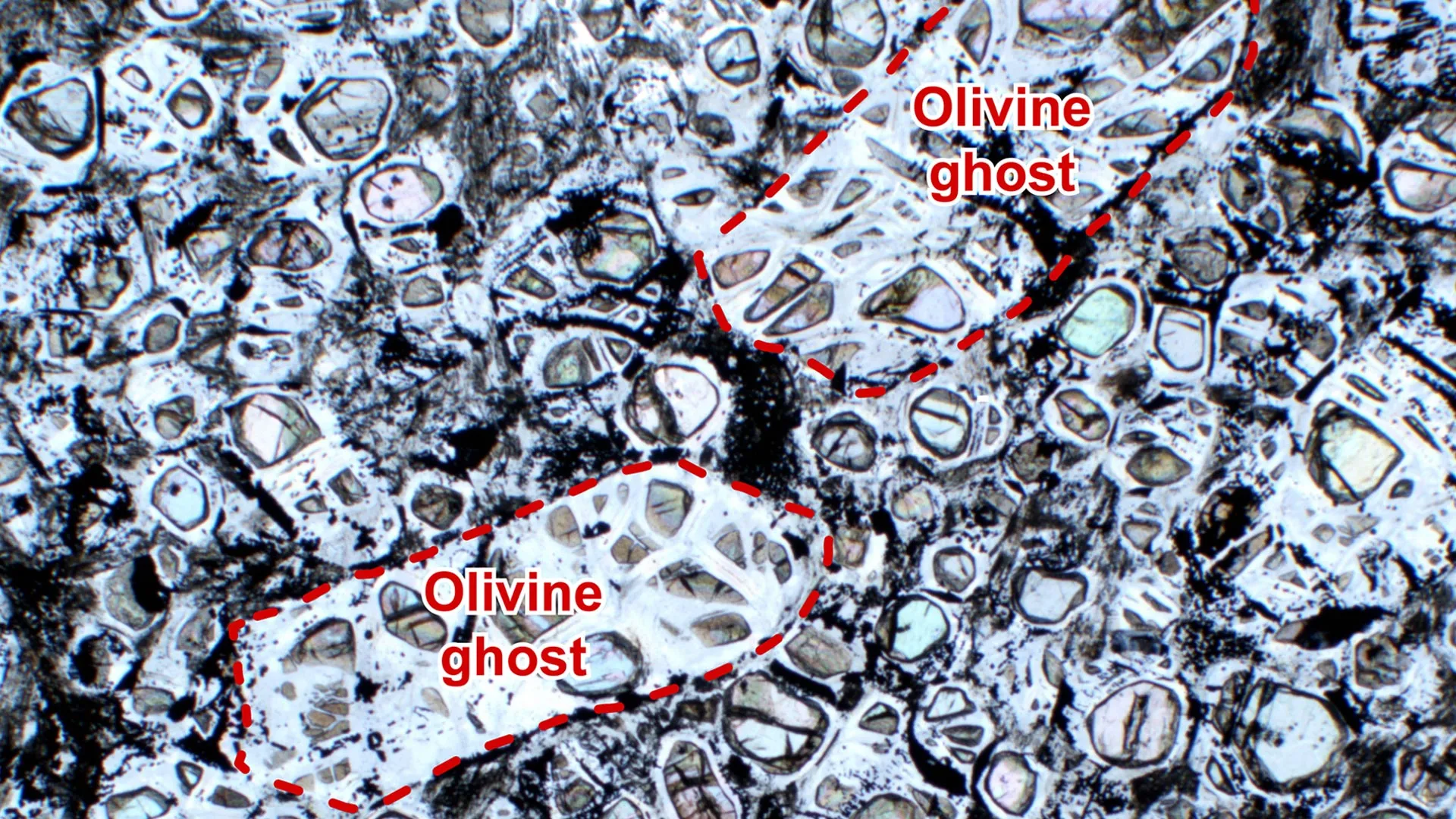
However, new findings suggest a dynamic past. Researchers have unearthed evidence indicating that early Earth may have experienced active subduction earlier than previously thought. The recent study analyzed ancient olivine crystals, revealing melt inclusions that provide insight into early tectonic processes. These findings shift our understanding. They imply that subduction and the formation of continental crust might have started hundreds of millions of years before scientists predicted.
The Implications for Earth’s Evolution
These revelations pose exciting questions about how Earth evolved. Early subduction could mean that the planet engaged in a more complex geological dance, shaping its surface and influencing its atmosphere far earlier than we believed. Such an active early Earth may have played a crucial role in fostering conditions suitable for life.
Furthermore, the implications extend beyond historical curiosity. Understanding Earth’s dynamic past aids in predicting current geological activity and evolving plate tectonics. As we learn more about these ancient processes, we unlock the potential for broader applications in fields like climate science and natural resource management. The tale of Earth’s early years holds lessons for our future, guiding humanity in its ever-deepening relationship with the planet.
Stay Ahead with the Latest Tech Trends
Learn how the Internet of Things (IoT) is transforming everyday life.
Access comprehensive resources on technology by visiting Wikipedia.
TechV1
