

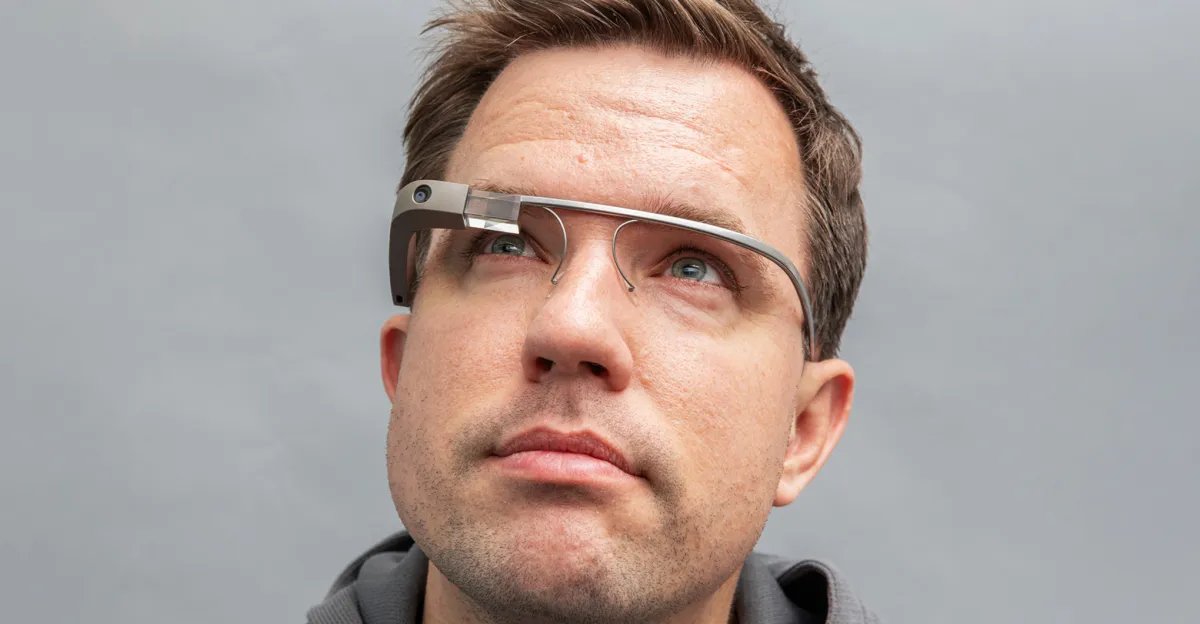
Top Highlights
-
Mainstream Impact: Google Glass didn’t invent smart glasses but significantly popularized the concept, sparking excitement about computer interaction beyond traditional screens.
-
Cultural Reaction: The launch led to a mix of enthusiasm and backlash, highlighting societal concerns over privacy and the presence of “face computers” in everyday life.
-
Legacy Debate: The discussion surrounding Google Glass raises questions about its dual legacy: the visionary potential for technology versus the negative societal perceptions exemplified by the term “Glassholes.”
-
Evolution and Feedback: Following its initial failure, Google Glass has seen a resurgence, and the series is adapting based on audience feedback to better explore its history and impact.
What Google Glass Got Right
Google Glass opened a door to innovative technology. It sparked imagination and led many to envision a world where computers seamlessly integrated into daily life. Users dreamed of shifting from screens to eyes, enabling hands-free interactions. This idea resonated with individuals and enthusiasts alike. The device showcased potential applications in fields like healthcare, education, and even industrial settings. Moreover, it sparked conversations about augmented reality, bringing this futuristic concept to the forefront.
Furthermore, Glass highlighted a critical trend: personalization in technology. This device encouraged the conversation about how tech could fit into our lives, and not the other way around. Its design, though polarizing, inspired other brands to experiment with similar products. As a result, various companies have since explored smart glasses for mainstream markets. While the hype fizzled out for Glass, its influence persists.
What Google Glass Got Wrong
Despite its potential, Google Glass faced significant backlash. Public perception quickly turned negative. Many labeled users as “Glassholes,” a term that reflected societal discomfort with the technology. People expressed concerns about privacy, security, and social behavior. Wearing a camera on one’s face sparked debates about surveillance and consent. Consequently, these issues overshadowed its positive aspects.
Moreover, the product’s price point alienated many consumers. The hefty cost limited accessibility, preventing widespread adoption. Many individuals felt the device did not match its promise. As a result, users abandoned the concept of smart glasses for everyday use. Ultimately, Google Glass represented both the promise and perils of emerging technology, reminding us that innovation must consider social and ethical implications.
Discover More Technology Insights
Explore the future of technology with our detailed insights on Artificial Intelligence.
Explore past and present digital transformations on the Internet Archive.
TechV1
