

Top Highlights
-
Acquisition Announcement: Carbon-removal startup Terradot is acquiring competitor Eion, driven by investor demand for companies capable of handling large contracts.
-
Technology Overview: Both companies utilize enhanced rock weathering (EWR), a method of spreading pulverized rocks to absorb CO2, which shows potential for low-cost carbon removal.
-
Market Challenges: A significant pricing gap exists between what EWR companies want to charge and what buyers are willing to pay, indicating market uncertainty.
-
Operational Focus and Investor Support: Terradot operates primarily in Brazil with basalt, while Eion focuses on the U.S. using olivine, backed by major investors including Google and Microsoft for Terradot, and AgFunder for Eion.
Strategic Acquisition for Growth
In a notable move within the carbon-removal sector, Terradot has acquired its competitor Eion. This acquisition stems from the influence of major investors like sovereign wealth funds, who seek partnerships with companies capable of handling substantial contracts. Eion, while innovative, lacked the scale necessary to compete effectively in this rapidly evolving field. According to Eion’s CEO, Anastasia Pavlovic Hans, the company’s size ultimately limited its opportunities.
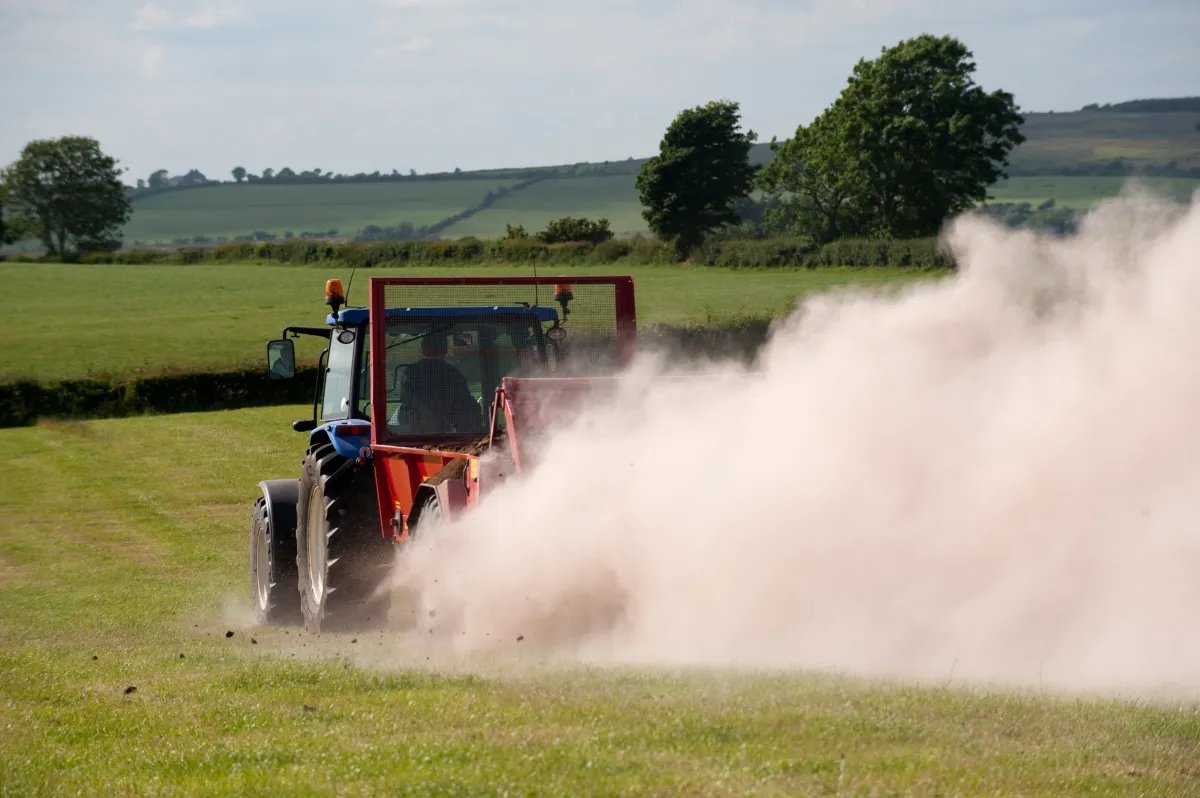
Terradot focuses on enhanced rock weathering (EWR), a process that accelerates the natural absorption of carbon dioxide by spreading pulverized rocks on agricultural fields. This method has attracted attention for its potential cost-effectiveness in combating climate change. However, the gap between what EWR companies aim to charge and what buyers are willing to pay remains considerable. Addressing this discrepancy presents both a challenge and an opportunity for growth.
Widespread Adoption and Future Impact
Terradot operates primarily in Brazil, utilizing basalt as its mineral of choice, while Eion focuses on the U.S. market with olivine. The differing regional strategies reflect the adaptability required in the carbon-removal industry. Investors like Google and Microsoft back Terradot, indicating strong confidence in its potential.
As the world grapples with climate change, the successful large-scale deployment of EWR could reshape our approach to carbon management. If the technology proves scalable and financially viable, it could contribute significantly to global sustainability efforts. However, for this vision to materialize, effective strategies for cost alignment and operational scale will be crucial.
Stay Ahead with the Latest Tech Trends
Dive deeper into the world of Cryptocurrency and its impact on global finance.
Access comprehensive resources on technology by visiting Wikipedia.
TechV1
