

Top Highlights
-
Common Cause of Vision Loss: Age-related macular degeneration (AMD) is the leading cause of vision loss in Americans aged 65 and older, primarily affecting central vision and making daily activities challenging.
-
Innovative Clinical Trial: Researchers at the USC Roski Eye Institute have launched a phase 2b clinical trial to test a stem cell-based retinal implant aimed at replacing damaged retinal cells in patients with advanced dry AMD.
-
Promising Early Results: Previous studies indicated that 27% of participants experienced vision improvement with the experimental implant, highlighting its potential safety and efficacy.
-
Long-term Vision for Treatments: The USC Roski Eye Institute is dedicated to advancing innovative therapies, with hopes that stem cell-derived implants could one day provide a cure for dry AMD, significantly enhancing patients’ quality of life.
The Promise of Restored Vision
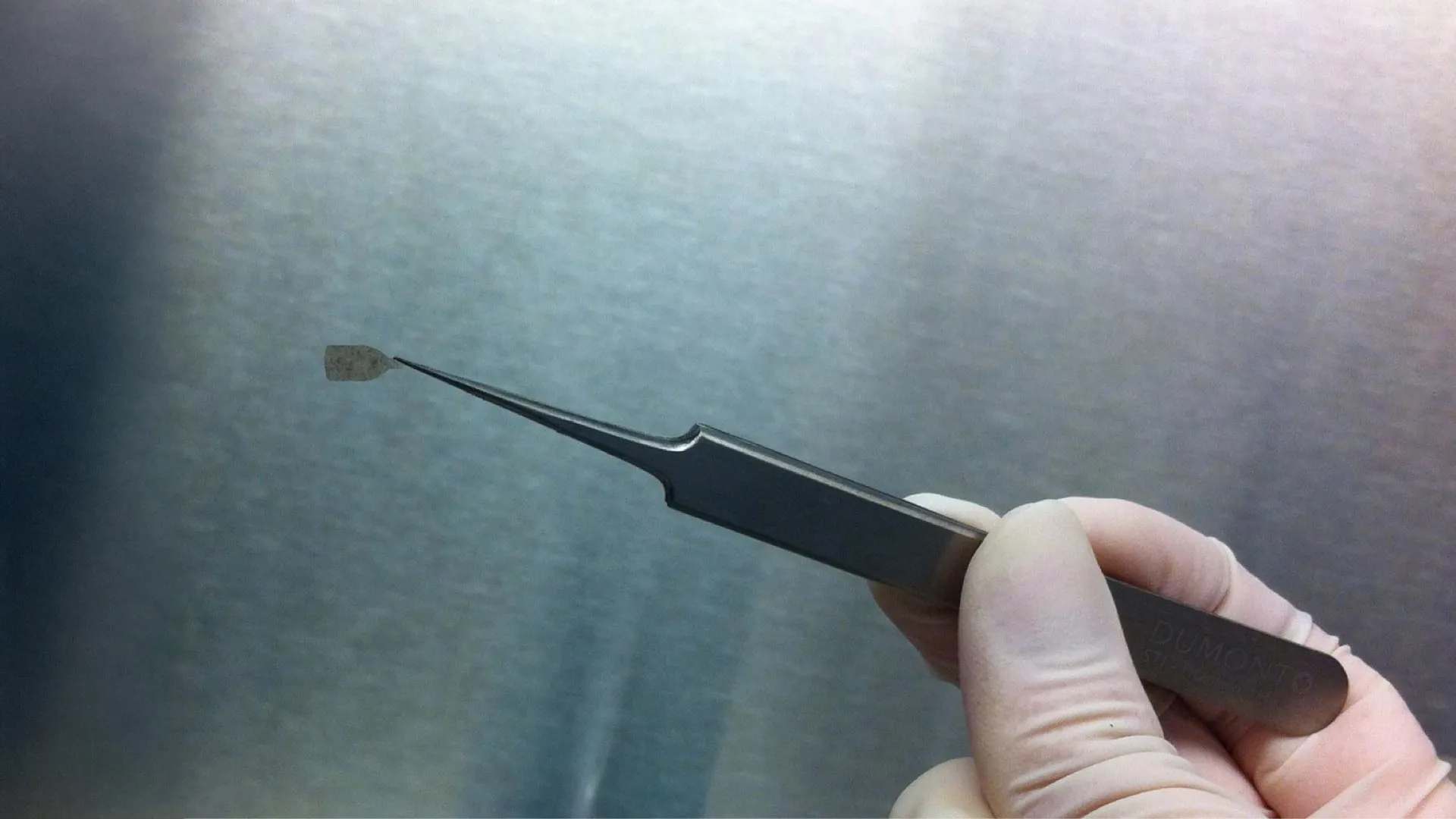
Age-related macular degeneration (AMD) presents a significant challenge for millions in the U.S., especially those over 65. This disease primarily affects central vision, leading to difficulties with tasks like reading or recognizing faces. Currently, options to halt its progression remain limited. However, scientists at the USC Roski Eye Institute are launching a clinical trial that introduces an innovative retinal implant. This device, remarkably thinner than a strand of hair, aims to replace damaged retinal cells with stem cells. Researchers hope this breakthrough will not only prevent further damage but also restore vision.
Early studies have shown promise. In initial trials, 27% of patients reported some improvement in their vision after receiving the implant. This next phase will investigate the possibility of more substantial changes. If successful, the implications could be profound, not only for individuals suffering from advanced dry AMD but also for the field of regenerative medicine as a whole.
A Path Toward Real-World Adoption
With around 20 million Americans affected, the need for effective treatments has never been greater. The trial seeks to enroll 24 participants who are grappling with advanced forms of AMD. By exploring potential outcomes, researchers aim to gauge how well the implant integrates into existing retinal structures. This effort could pave the way for broader adoption of stem cell treatments.
Crucially, though the technology shows promise, real-world application lies ahead. The study’s rigorous masked design ensures participants receive either the actual implant or a simulated procedure, allowing for a clearer understanding of the results. While challenges remain for widespread implementation, the potential for such innovative solutions marks a hopeful chapter in the journey toward restoring sight. As scientists push the boundaries of what is possible, we may be on the brink of seeing a true revolution in vision restoration.
Stay Ahead with the Latest Tech Trends
Explore the future of technology with our detailed insights on Artificial Intelligence.
Stay inspired by the vast knowledge available on Wikipedia.
TechV1
