

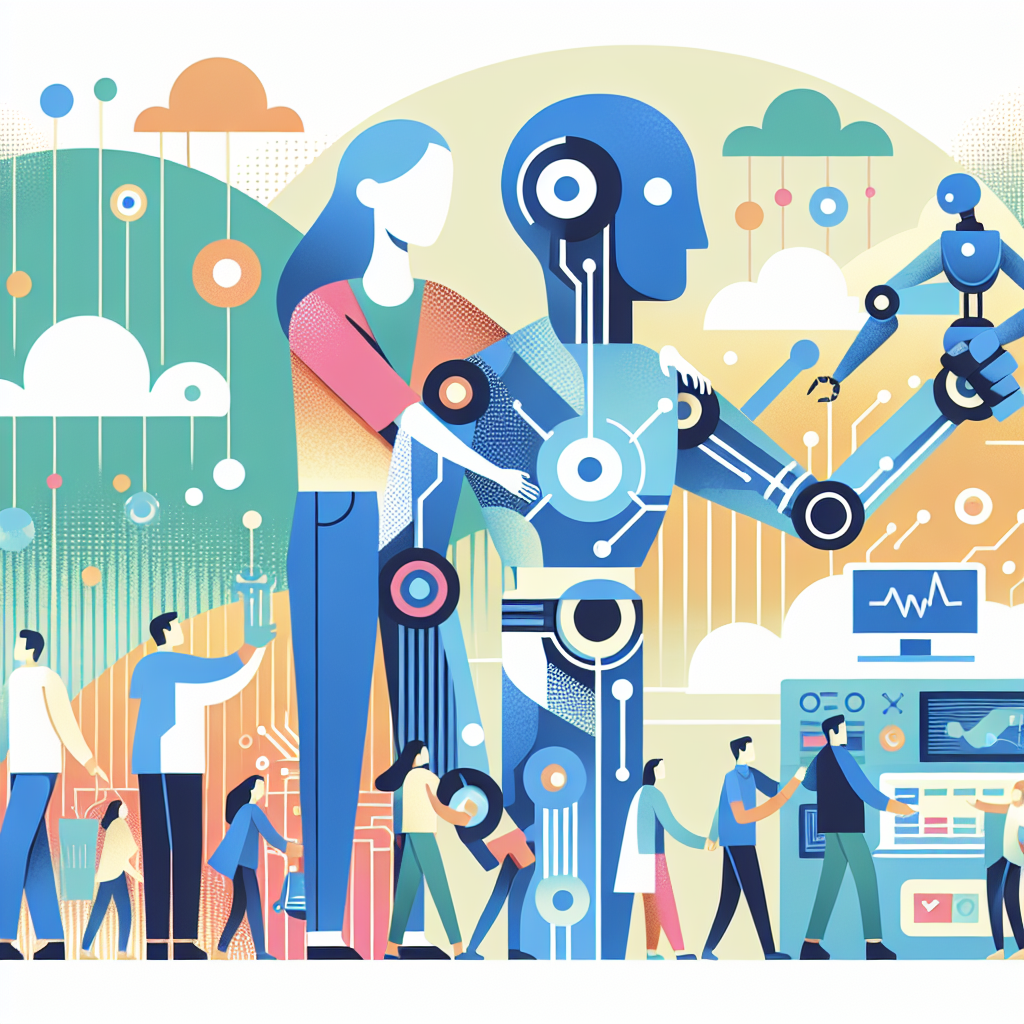
Understanding Human-AI Partnerships
Imagine waking up to a world where your AI assistant reminds you of meetings, suggests study techniques, and even helps doctors diagnose illnesses faster. This is not the distant future; it’s happening now. “Together We Rise: The Future of Human-AI Partnerships” explores how these collaborations can enhance our lives. As AI becomes part of our daily routines, understanding this relationship is more important than ever. Instead of viewing AI as just a tool, we should embrace it as a partner—one that can amplify our creativity, decision-making, and problem-solving skills.
Real-World Examples of Collaboration
Let’s dive into some fascinating examples. In healthcare, AI algorithms analyze medical images much faster than radiologists. A machine can spot patterns invisible to the human eye. For instance, AI systems help detect early signs of conditions like breast cancer, improving survival rates. Doctors gain extra support, and patients receive quicker diagnoses.
In education, consider platforms like Khan Academy. They use AI to personalize learning experiences. These systems assess individual students’ strengths and weaknesses, adapting lessons accordingly. Students receive tailored feedback, enhancing their engagement and understanding. Teachers use this data to better support their classrooms, making learning more effective.
Environmental conservation also benefits from AI. Drones equipped with AI monitor wildlife and track deforestation. They gather massive amounts of data, helping scientists understand changes in ecosystems. This technology assists researchers in crafting solutions to protect vulnerable species, combining human insight with machine efficiency.
AI clearly serves as a powerful ally in various fields. Yet, with great power comes even greater ethical questions.
The Ethical Landscape
As we navigate this new terrain, we must confront tough questions. What ethical guidelines will ensure that AI serves humanity’s best interests? We need to protect individual rights and privacy. The recommendation here involves establishing regulations that hold AI accountable for its decisions.
Access to technology also deserves attention. How can we ensure that all communities benefit from AI advancements? It’s crucial to avoid a divide where only certain groups reap the rewards. Imagine if society built systems that make cutting-edge AI accessible to everyone, not just the privileged. This step could foster inclusive growth and equitable opportunity.
Finally, how will AI shape our identities and job landscapes? As machines take over repetitive tasks, workers may need to reskill, embracing roles that emphasize human qualities like creativity and empathy. It’s vital to prepare for this shift. Educational institutions must adapt, equipping future generations with skills that harmonize with AI.
These questions challenge us to reflect on the future we wish to create. Human-AI partnerships hold immense potential. Yet, we must proceed carefully, balancing innovation with responsibility.
The vision painted by “Together We Rise” fuels hope for a collaborative future. Humans and AI, working hand in hand, can surmount complex global challenges. Imagine solving climate change or addressing health crises through this partnership. As we stand on the brink of an AI-driven era, we have an opportunity to redefine what it means to be human, ensuring that progress genuinely uplifts society as a whole.
Discover More Technology Insights
Stay informed on the revolutionary breakthroughs in Quantum Computing research.
Explore past and present digital transformations on the Internet Archive.
OPED_V1
